





How to Organize a Small Closet by Clothing Category (Instead of Type)

Are you all about style, decor and organization? Download a copy of our Decluttering Workbook.
*****
Most closet organization advice tells you to group clothes by type: all jeans together, all dresses together, all sweaters stacked neatly on one shelf.
It looks tidy.
But it rarely works in real life.
Most people don’t get dressed by thinking, “Which jeans should I wear today?” They think, “What’s an easy outfit for today’s schedule?” The traditional method forces you to scan multiple sections just to assemble a simple outfit.
For someone like Sarah — a busy work-from-home mom juggling school drop-offs, errands, and meetings — that extra friction matters. She doesn’t need a visually perfect closet. She needs quick decisions and a layout that reflects her actual life. Home Hacks Daily Newsletter Ava…
The solution is to organize by clothing category of use, not clothing type.
Instead of grouping garments by what they are, you group them by when you wear them.
If you want to get more from your life, and are looking for concrete action steps to get you there, check out our Request a Coach page. It’s a “cut the fence-sitting and take action” way to tackle your issues and actually find success. To get off the fence and start to take action, click or tap here.
Imagine opening your closet and seeing two clear zones:
Left side → Daily Wear
Right side → Occasion Wear
That simple shift reduces decision fatigue and keeps everyday clutter from creeping back.
In our roundup of small closet fixes, we highlighted this strategy as a simple way to make a cramped space feel instantly more usable. Now we’re diving deeper into how organizing by real-life clothing categories — instead of traditional types — can reduce clutter and make daily outfit decisions faster.
Need some in depth help with organization and productivity ? Drop on by our directories choc full of productivity coaches, minimalist coaches, and work/life balance coaches to get your life organized! Or click here to have us match you to the best.
Step One: Define Your Real-Life Clothing Categories

Before moving a single hanger, step back and look at how you actually get dressed each week. The goal is to build a closet around your real routine instead of an idealized one.
Identify your daily-wear zone: Pull out the clothing you realistically wear four to five days a week. These are the items that carry most of your wardrobe load. They might include work-from-home outfits, school drop-off basics, comfortable jeans, leggings, casual tops, or errand-ready layers.
Lay these items together and notice the pattern. You’ll likely see a small set of repeat pieces that make up your real wardrobe. This becomes your Daily-Wear Zone, which should occupy the most visible and accessible part of the closet.
If you want to get more from your life, and are looking for concrete action steps to get you there, check out our Request a Coach page. It’s a “cut the fence-sitting and take action” way to tackle your issues and actually find success. To get off the fence and start to take action, click or tap here.
Think of it as the “Now” section — the clothing your life revolves around most days.
Define your occasion-wear zone: Next, gather items that serve a purpose but aren’t part of your daily rotation. These may include formalwear, event dresses, travel outfits, seasonal coats, or specialty clothing.
Ask yourself a simple question: What do I only reach for when something specific is happening?
These pieces form your Occasion-Wear Zone, which should still be accessible but not competing for your prime closet space.
By separating the 80% clothing you wear constantly from the 20% you wear occasionally, the closet starts reflecting your real life instead of a generic retail display.
Step Two: Physically Split the Closet

Once your clothing categories are defined, the next step is turning them into visible zones.
The goal is simple: when you open the closet, you should instantly recognize where your daily clothes live.
Divide the closet into two clear zones: The most straightforward option is a left-versus-right split. Dedicate one side of the rod entirely to daily wear and the other side to occasion wear. This visual boundary keeps items from blending together and prevents everyday pieces from being buried.
If you want to get more from your life, and are looking for concrete action steps to get you there, check out our Request a Coach page. It’s a “cut the fence-sitting and take action” way to tackle your issues and actually find success. To get off the fence and start to take action, click or tap here.
Even in small closets, this physical separation helps your brain process the space faster.
Choose a layout that matches your closet design: If your closet shape doesn’t allow a clean left-right split, use a different structure. A front-versus-back rod setup can work well, with daily clothing hanging toward the front and occasional pieces behind it. Alternatively, an upper-versus-lower layout works too — keeping everyday clothing at eye level and special items higher or lower.
The guiding principle is simple: visibility equals usage.
The clothing you see first becomes the clothing you wear most often. When daily outfits sit in the most accessible area, your mornings get easier automatically.
Step Three: Sub-Sort Within Each Zone (Lightly)

Once the two main zones are established, you can add a bit of organization inside each one.
The key word here is lightly.
Group similar pieces inside the daily zone: Within the daily section, you can still organize by type — just on a smaller scale. Place casual tops together, jeans together, and cardigans together. This creates enough structure to find things quickly without forcing you to jump between different closet sections.
Because these items already belong to the same usage category, the organization feels intuitive instead of rigid.
Keep the system flexible rather than perfect: Avoid overcomplicating the layout with too many micro-categories. The goal isn’t a showroom display. It’s a system that supports fast decisions.
Remember the mindset behind this approach:
“Clutter is nothing more than postponed decisions.” HH Quote Examples from other pa…
If you want to get more from your life, and are looking for concrete action steps to get you there, check out our Request a Coach page. It’s a “cut the fence-sitting and take action” way to tackle your issues and actually find success. To get off the fence and start to take action, click or tap here.
By deciding upfront where clothing belongs based on how often you wear it, you eliminate dozens of small decisions later. Your morning routine becomes faster because the closet already did the thinking for you.
Step Four: Remove the “Maybe” Middle

One of the biggest reasons small closets become chaotic again is the presence of “maybe” clothing.
These are items that aren’t daily favorites but also aren’t clearly occasional. They drift between sections and slowly crowd everything.
Create a clear rule for borderline items: If you haven’t worn something in the past 30 to 60 days, it should move into the occasion zone or leave the closet entirely. This prevents rarely worn pieces from taking up valuable space in your daily section.
Clarity eliminates slow clutter buildup.
Protect the daily zone aggressively: Your everyday area should stay streamlined. If something starts migrating into it without being used regularly, relocate it quickly.
The daily section works best when it remains simple and predictable.
When your most-used clothing stays visible and uncluttered, the closet stops slowing down your routine and starts supporting it.
If you want to get more from your life, and are looking for concrete action steps to get you there, check out our Request a Coach page. It’s a “cut the fence-sitting and take action” way to tackle your issues and actually find success. To get off the fence and start to take action, click or tap here.
Step Five: Maintain the System With a Five-Minute Weekly Reset

Even the best closet system needs a small amount of maintenance.
The good news is that this method makes upkeep incredibly simple.
Return items to their correct zones: Once a week, take five minutes to scan the closet and rehang anything that drifted out of place. Move occasional pieces back to their side and return daily items to their main section.
Because the categories are broad, this step is fast.
Remove anything that no longer belongs: If something migrated into your daily zone but hasn’t been worn, move it out. If seasonal items linger longer than they should, relocate them to storage.
A quick reset keeps the structure intact without requiring a full reorganization.
Small maintenance prevents big messes.
Why This Method Feels So Much Easier
Even subtle visual cues help your brain maintain the system automatically.
If you want to get more from your life, and are looking for concrete action steps to get you there, check out our Request a Coach page. It’s a “cut the fence-sitting and take action” way to tackle your issues and actually find success. To get off the fence and start to take action, click or tap here.
Use different hanger colors or textures: For example, darker hangers for daily wear and lighter ones for occasion wear. This creates a clear visual boundary without adding labels or clutter.
When you open the closet, your eyes instantly recognize the split.
Create physical spacing between zones: Leave a small empty gap between daily and occasion sections. That “air pocket” acts like a visual divider and prevents items from blending together over time.
Tiny details make a small closet feel structured and intentional.
If your small closet always looks organized but still feels frustrating, the problem probably isn’t the space.
It’s the system.
When you split your closet by how you live, instead of by clothing type, everything changes.
Outfits become easier to grab.
Decisions happen faster.
And the closet finally works with your day instead of against it.
Are you all about style, decor and organization? Download a copy of our Decluttering Workbook.
*****
If you want to get more from your life, and are looking for concrete action steps to get you there, check out our Request a Coach page. It’s a “cut the fence-sitting and take action” way to tackle your issues and actually find success. To get off the fence and start to take action, click or tap here.
Need some in depth help with organization and productivity ? Drop on by our directories choc full of productivity coaches, minimalist coaches, and work/life balance coaches to get your life organized! Or click here to have us match you to the best.
If you want to get more from your life, and are looking for concrete action steps to get you there, check out our Request a Coach page. It’s a “cut the fence-sitting and take action” way to tackle your issues and actually find success. To get off the fence and start to take action, click or tap here.
Read this next

7 Super Easy DIY Rustic Outdoor Christmas Porch Decor Ideas
Are you all about style, decor and organization? Download a copy of our Decluttering Workbook.**** Rustic Christmas porch decor has a charm that feels welcoming, warm, and handmade in all […]
Read More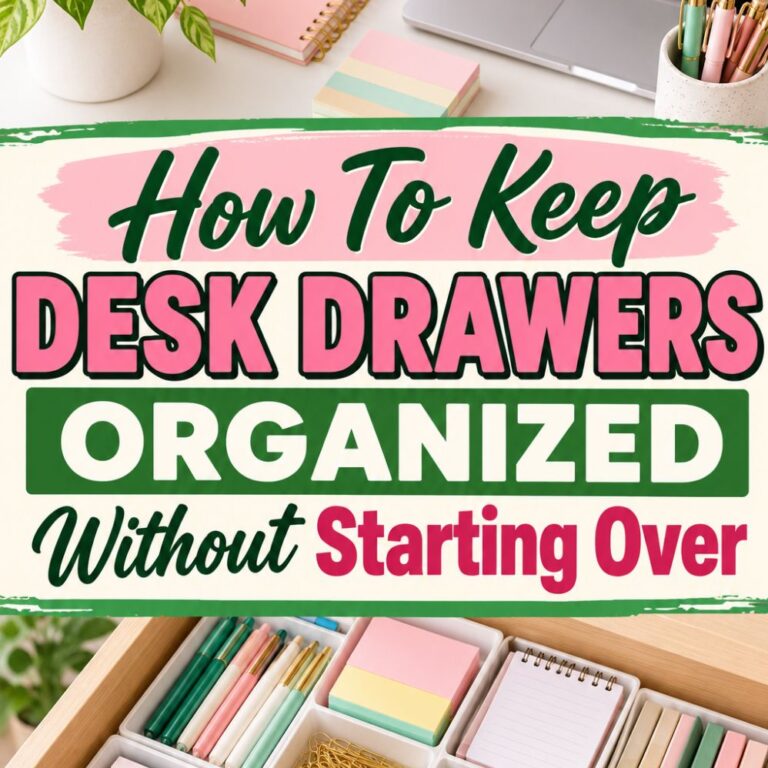
Desk Drawer Organization Ideas for Pens, Paper, and Everyday Supplies
Tame the hidden mess inside your desk drawers with dividers, small containers, labels, and simple supply zones. You know that annoying moment when you open your desk drawer for one […]
Read More
The Most Fun Pop-Culture Christmas Trees of the Year—And How to Recreate Them Fast
Are you all about style, decor and organization? Download a copy of our Decluttering Workbook.**** Pop-culture Christmas trees are taking over holiday decorating this year, and it’s easy to see […]
Read More