


Talk to a coach about Organizational coaching

Crystal Faulk
ACC
I help overwhelmed women in transition gain clarity, confidence, and...

Terrie Hein
Certified Life Coach, Certified Insight Coach Practitioner
Coaching to declutter your life, organize your goals, and cook...

Dr Charlene Ashley
Doctorate - Behaviours
I coach individuals to design fulfilling lives through structure, clarity,...

Paloma Chiara

Lana's Gymnastics Club
"Where the best in gymnastics meets fun. Where every child is a star"
lgclubny.com

Anna Sosnina
ICF (ACC)
ICF ACC certified coach, founder of EssorVie Coaching, passionate about...

Tyler Fink
B.A. in Religion, Anthropology, and Philosophy. Master of Divinity (M.Div.) in Missiology
Pastor, husband, and father helping Christian men pursue faithful growth...

Travis Brown
Professional Life coach
With experience in guiding clients to achieve goals, build confidence,...
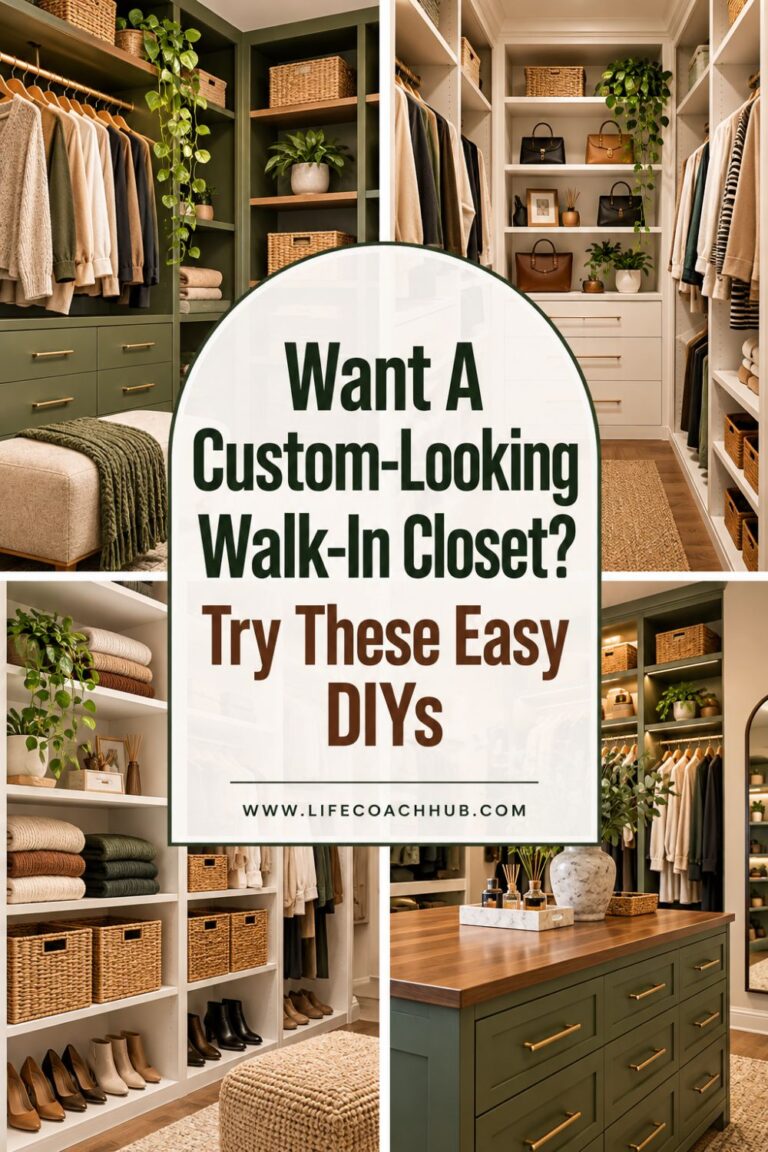


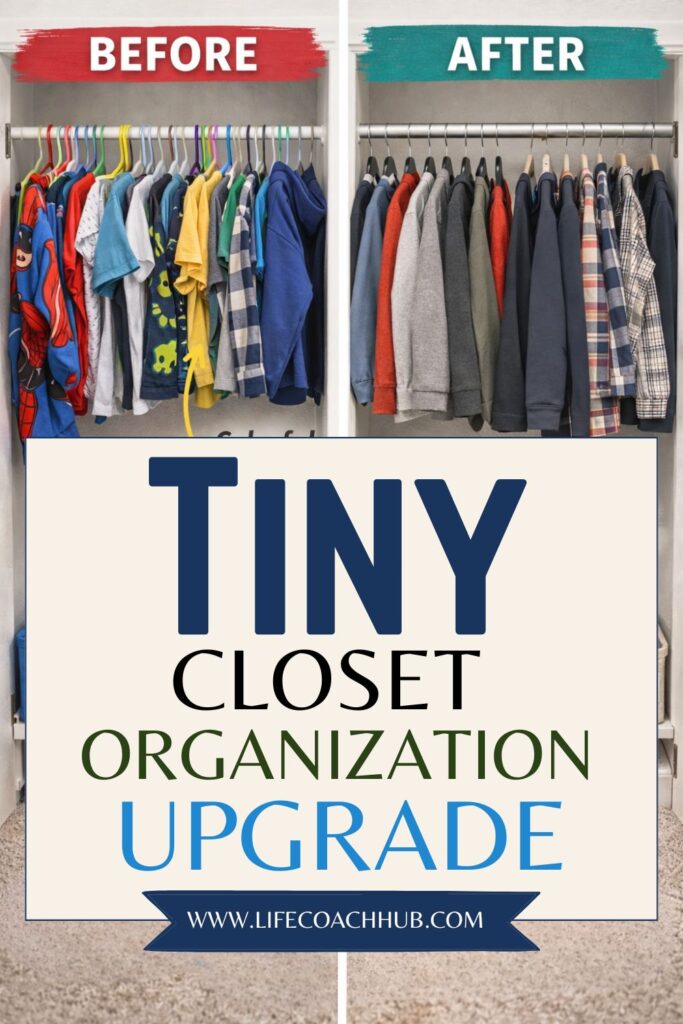
Small Room Closet Organization for Kids or Teens
Are you all about style, decor and organization? Download a copy of our Decluttering Workbook.
*****
Kids’ closets get messy fast — but not because kids are careless.
The real problem is that most closets are built for adults. Rods are installed too high. Shelves are deep and hard to reach. Storage systems assume perfect folding and long-term organization habits that kids and teens simply don’t have yet.
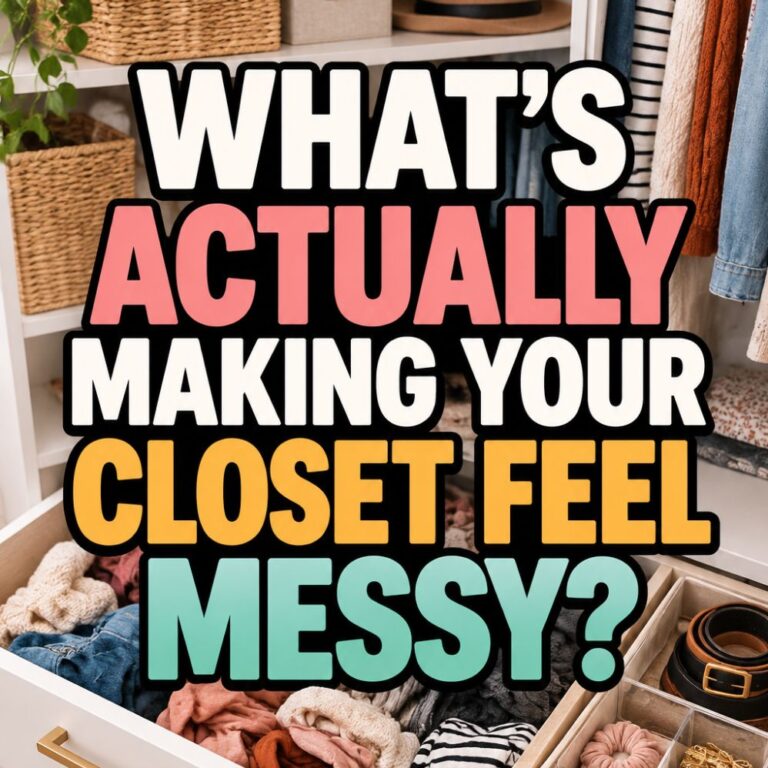
When a child can’t reach the rod, they won’t hang clothes. When drawers are packed too tightly, items end up on the floor. When categories are confusing, clothes migrate everywhere.
The goal of organizing a small room closet for kids or teens isn’t perfection. It’s independence.
A well-designed system should allow them to reach their clothes, understand where things go, and keep the space manageable as they grow. With lower rods, labeled bins, and a little growth planning, you can build a closet that evolves alongside them instead of needing constant reorganization.
In our roundup of small closet fixes, we mentioned this approach as a smarter way to organize kids’ and teens’ wardrobes without constant cleanup battles. Now we’re exploring how designing a closet around height, habits, and growth can help young people keep their spaces organized independently.
Need some in depth help with organization and productivity ? Drop on by our directories choc full of productivity coaches, minimalist coaches, and work/life balance coaches to get your life organized! Or click here to have us match you to the best.
If you want to get more from your life, and are looking for concrete action steps to get you there, check out our Request a Coach page. It’s a “cut the fence-sitting and take action” way to tackle your issues and actually find success. To get off the fence and start to take action, click or tap here.
Start by Designing for Their Height (Not Yours)

If a closet is physically difficult to use, kids will stop using it properly.
Most closet rods are installed for adult height, which means younger kids must stretch, climb, or ask for help just to hang a shirt. Over time, the easiest solution becomes dropping clothes on the floor.
Lower the main rod so kids can reach it easily: Install a lower hanging rod at child height so everyday clothing is accessible without stretching. Shirts, pants, hoodies, and school clothes should live here. Slim hangers help maximize the limited space while keeping garments evenly spaced.
An adjustable double-rod setup works especially well in small closets. The bottom rod becomes the primary daily clothing zone, while the upper rod remains available for other items.
Move occasional clothing higher up: Seasonal coats, dress clothes, and out-of-season items don’t need daily access. Place these pieces on the upper rod or top shelf where they remain visible but out of the way.
This simple shift creates a natural hierarchy: easy-to-reach items for everyday use, elevated storage for items used less frequently.
When kids can physically reach their clothes, they’re far more likely to put them away correctly.
Create Simple Clothing Categories They Understand

Adults often organize clothing by garment type, but that logic doesn’t always translate well for kids.
If you want to get more from your life, and are looking for concrete action steps to get you there, check out our Request a Coach page. It’s a “cut the fence-sitting and take action” way to tackle your issues and actually find success. To get off the fence and start to take action, click or tap here.
Children and teens think in activities, not wardrobe terminology.
Create a daily school section: Dedicate one part of the rod to everyday school outfits. This might include uniform pieces, favorite shirts, easy pants, or comfortable layers that work for most days. Keeping these items grouped together makes getting dressed in the morning faster and more predictable.
Kids quickly learn that this section contains their everyday options.
Add play, lounge, and special sections: Another section can hold play clothes, sportswear, and pajamas. A third section can hold dress clothes or outfits reserved for special occasions. These categories remain broad so they’re easy to remember.
The key is simplicity. When categories reflect real activities instead of fashion labels, kids can navigate the closet confidently without overthinking where things belong.
Clear zones also help parents identify quickly when something has drifted out of place.
Use Labeled Bins Instead of Overstuffed Drawers

Drawers require precise folding, which makes them difficult for younger kids to maintain. Bins offer a simpler and more forgiving alternative.
Add low, pull-out bins for everyday items: Place stackable bins under the hanging rod or on a bottom shelf. These bins are ideal for socks, underwear, sports gear, and accessories. Because they slide out easily, kids can access them without pulling everything apart.
If you want to get more from your life, and are looking for concrete action steps to get you there, check out our Request a Coach page. It’s a “cut the fence-sitting and take action” way to tackle your issues and actually find success. To get off the fence and start to take action, click or tap here.
Stackable bins also allow you to use vertical space more efficiently in a small closet.
Use labels that are easy to recognize: For younger kids, picture labels paired with words make it easier to remember where things belong. Color-coded bins can also reinforce organization visually. For older kids and teens, simple text labels work well.
When each bin clearly represents one category, kids spend less time searching and more time returning items to the right place.
The result is a closet that looks organized even when folding isn’t perfect.
Plan for Growth From the Start

Children grow quickly, and their closets should adapt instead of requiring constant redesign.
Install adjustable closet hardware: Telescoping rods, modular shelving systems, or adjustable brackets allow you to raise rods gradually as your child grows taller. This means the closet can evolve with them instead of becoming obsolete after a year or two.
The bottom rod that works for a seven-year-old can eventually move higher for a teenager.
Leave room for future adjustments: Avoid installing rods or shelves too tightly. Leaving extra vertical space above the rod allows you to reposition it later without rearranging the entire closet system.
Planning ahead keeps the system flexible instead of temporary.
An adjustable rod setup can easily transform a child-height closet into a teen-friendly one with just a few small adjustments.
If you want to get more from your life, and are looking for concrete action steps to get you there, check out our Request a Coach page. It’s a “cut the fence-sitting and take action” way to tackle your issues and actually find success. To get off the fence and start to take action, click or tap here.
Keep the Floor Clear and Functional

When the closet floor becomes cluttered, the entire space starts to feel chaotic.
Often, this happens because the closet lacks clear zones for items that naturally end up on the floor.
Create a dedicated hamper zone: Place a small laundry basket or labeled hamper in one corner of the closet. Keeping it visible and easy to reach encourages kids to toss dirty clothes directly inside instead of dropping them nearby.
Clear labeling helps reinforce the habit.
Add a “tomorrow” hook or staging spot: Install a wall hook or small hanger where kids can place the outfit they plan to wear the next day. This simple addition prevents half-worn clothing from piling up and makes mornings easier.
Backpack hooks near the closet can also keep school items from spreading across the room.
Small systems like these help contain daily clutter before it grows.
Make the Closet Teen-Friendly
As kids grow into teenagers, their needs change.
If you want to get more from your life, and are looking for concrete action steps to get you there, check out our Request a Coach page. It’s a “cut the fence-sitting and take action” way to tackle your issues and actually find success. To get off the fence and start to take action, click or tap here.
What once worked as a colorful, playful closet setup may start to feel childish or restrictive.
Upgrade the visual style: Switching to matching hangers, neutral bins, and simpler labels helps the closet feel more mature without changing the underlying system. Teens appreciate a space that reflects their personal style.
The structure stays the same, but the aesthetic evolves.
Let teens participate in organizing decisions: Allow them to define how sections are grouped or what categories make sense for their wardrobe. Encouraging them to adjust the layout as their style changes increases their sense of ownership.
Ownership leads to better maintenance.
When teens feel involved in the system, they’re far more likely to keep it functioning.
Maintain the Closet With a Weekly Five-Minute Reset
Even the best closet system needs occasional upkeep.
Fortunately, a small closet only requires small maintenance.
If you want to get more from your life, and are looking for concrete action steps to get you there, check out our Request a Coach page. It’s a “cut the fence-sitting and take action” way to tackle your issues and actually find success. To get off the fence and start to take action, click or tap here.
Return items to their proper zones: Once a week, quickly scan the closet and rehang misplaced clothing. Move items back to their assigned sections so categories remain clear.
This simple step keeps the system from drifting over time.
Edit clothing that no longer fits: Kids outgrow clothing quickly. Removing items that are too small prevents the closet from becoming overcrowded.
Rotating worn favorites back to the front also keeps daily outfits easy to grab.
A short reset once a week prevents the need for larger reorganizing sessions later.
How to Fit This System Into a Very Small Closet
Even extremely small closets can benefit from these principles.
Use double rods on one side to increase capacity: Installing two rods vertically for shorter garments creates more hanging space without widening the closet.
This approach works especially well for shirts, hoodies, and folded pants.
If you want to get more from your life, and are looking for concrete action steps to get you there, check out our Request a Coach page. It’s a “cut the fence-sitting and take action” way to tackle your issues and actually find success. To get off the fence and start to take action, click or tap here.
Use shelf risers and door organizers for accessories: Shelf risers create multiple levels for shoes or folded clothing, while over-the-door organizers can hold small accessories without taking up rod space.
Bulkier items such as seasonal coats or sports equipment can be stored elsewhere in the room if necessary.
Even the smallest closet can feel structured when every inch serves a purpose.
Why This System Works
When kids can reach their clothes, understand the categories, and grow with the system, everything changes.
They start putting clothes away independently.
Mornings move faster.
The room feels calmer and more organized.
The closet stops being a daily frustration and becomes a tool that supports their stage of life.
And that’s the real goal of organizing a kid’s closet — not perfection, but practicality.
Are you all about style, decor and organization? Download a copy of our Decluttering Workbook.
*****
If you want to get more from your life, and are looking for concrete action steps to get you there, check out our Request a Coach page. It’s a “cut the fence-sitting and take action” way to tackle your issues and actually find success. To get off the fence and start to take action, click or tap here.
Need some in depth help with organization and productivity ? Drop on by our directories choc full of productivity coaches, minimalist coaches, and work/life balance coaches to get your life organized! Or click here to have us match you to the best.
If you want to get more from your life, and are looking for concrete action steps to get you there, check out our Request a Coach page. It’s a “cut the fence-sitting and take action” way to tackle your issues and actually find success. To get off the fence and start to take action, click or tap here.
Read this next

Easter Decor Ideas That Feel Intentional (Not Overdone)
Simple Easter decor formulas for porches, doors, mantels, and entryways that feel collected, cozy, and easy to reuse every spring.
Read More
Rustic, Modern, Farmhouse or Minimalist? What’s Your Christmas Mantle Style
Are you all about style, decor and organization? Download a copy of our Decluttering Workbook. **** The mantle is the fastest way to make a room feel like Christmas without […]
Read More
How to Get Vision Board Inspiration Without Looking at Images First
Start your 2026 vision board with clarity, not random images. This simple reset shows how to choose direction before inspiration.
Read More