



8 Small Closet Fixes That Instantly Create More Space
Are you all about style, decor and organization? Download a copy of our Decluttering Workbook.
*****
Small closets don’t usually feel cramped because they’re tiny.
They feel cramped because the layout isn’t working.
One crowded rod. A chaotic top shelf. Random bins on the floor. Over time the space slowly loses structure.
The good news is that most small closet problems can be fixed without expanding the closet at all.
A few smart layout shifts, better vertical strategy, and clearer zones can dramatically change how the same square footage functions.
Below are eight practical fixes that help small closets feel bigger, calmer, and far easier to use.
Need some in depth help with organization and productivity ? Drop on by our directories choc full of productivity coaches, minimalist coaches, and work/life balance coaches to get your life organized! Or click here to have us match you to the best.
Organize a Small Closet by Clothing Category (Instead of Type)
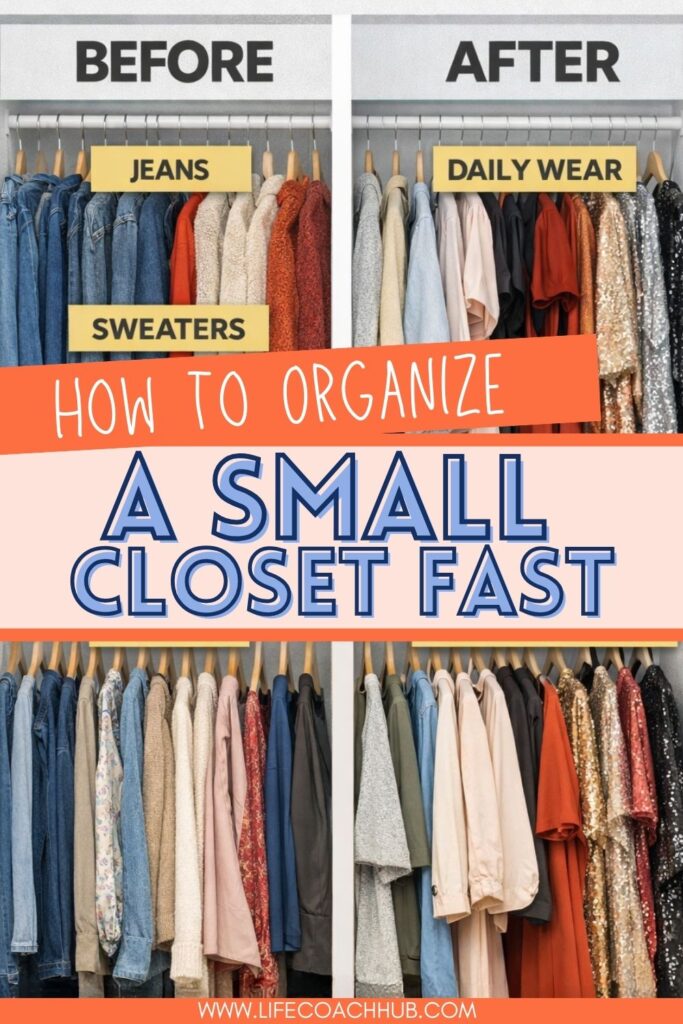
Most closets are organized by clothing type: all jeans together, all dresses together, all sweaters stacked in one section.
If you want to get more from your life, and are looking for concrete action steps to get you there, check out our Request a Coach page. It’s a “cut the fence-sitting and take action” way to tackle your issues and actually find success. To get off the fence and start to take action, click or tap here.
It looks neat. But it rarely works in real life.
A more effective system is organizing by how often you actually wear things. Splitting the closet into Daily Wear and Occasion Wear zones reduces visual clutter and speeds up decisions each morning.
When everyday clothes sit in the most visible area, the closet feels more spacious and easier to navigate.
Want more ideas about organizing a small closet by category? → Read the whole guide
Small Room Closet Organization for Kids or Teens
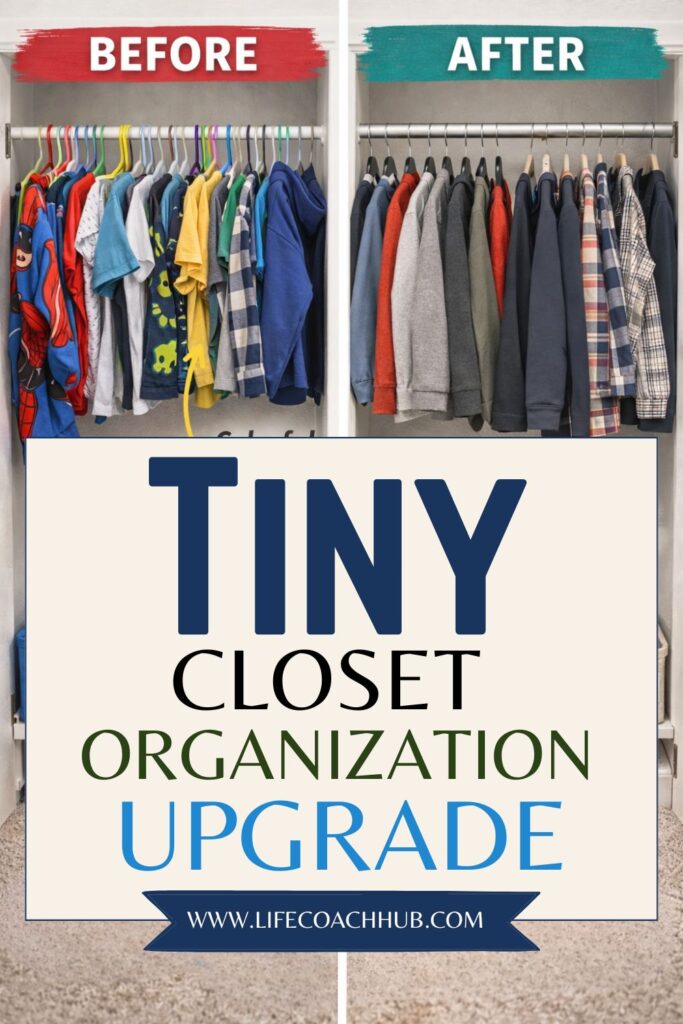
Kids’ closets often become messy quickly, but the real problem is usually the design.
Most closets are built for adults, not for children’s height or daily routines.
Lower rods, labeled bins, and simple activity-based clothing sections make it much easier for kids or teens to put their own clothes away. Adjustable hardware also allows the closet to grow with them instead of needing a full redesign later.
When the structure matches how kids actually use the space, clutter decreases almost immediately.
If you want to get more from your life, and are looking for concrete action steps to get you there, check out our Request a Coach page. It’s a “cut the fence-sitting and take action” way to tackle your issues and actually find success. To get off the fence and start to take action, click or tap here.
Want more ideas about organizing a kid’s or teen’s small closet? → Read the whole guide
The 5-Step Small Closet Reset (From Overflow to Functional)
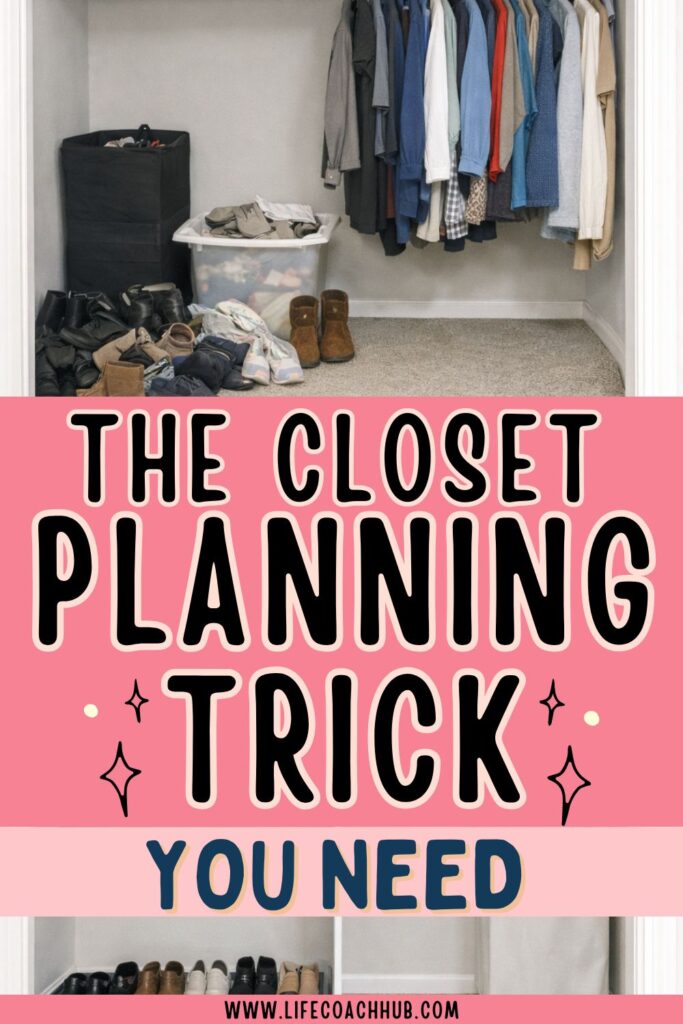
Sometimes a closet doesn’t just need organizing.
It needs a full reset.
This method walks through a simple sequence that rebuilds the closet from the ground up: declutter, measure, redesign, install, and style.
Instead of moving clutter around, you remove excess first, then rebuild the layout around daily routines and vertical space.
The result is a closet that feels intentionally designed instead of slowly patched together.
Want the full step-by-step reset process? → Read the whole guide
Wall Closet Design Ideas That Maximize Height
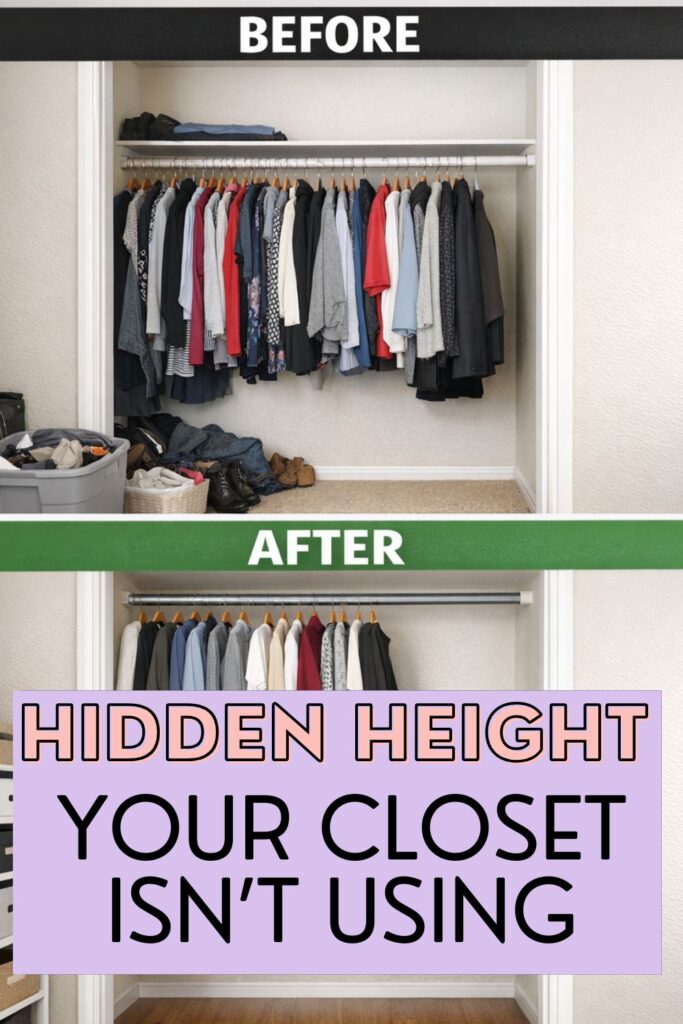
Most wall closets waste their most valuable storage resource: vertical height.
If you want to get more from your life, and are looking for concrete action steps to get you there, check out our Request a Coach page. It’s a “cut the fence-sitting and take action” way to tackle your issues and actually find success. To get off the fence and start to take action, click or tap here.
Standard rod placement leaves large sections of unused air above and below clothing.
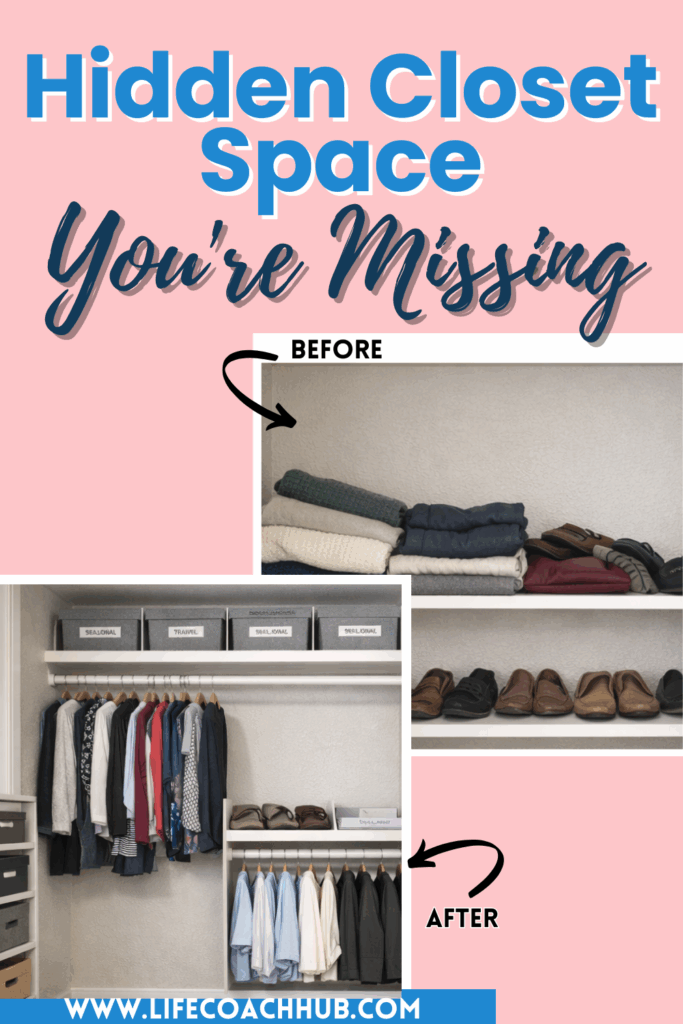
By raising rods, adding layered hanging sections, defining the top shelf, and stabilizing tall stacks with dividers and risers, you can dramatically increase storage capacity without expanding the closet footprint.
A floor-to-ceiling layout strategy turns unused vertical space into functional storage.
Want more ideas for using closet height strategically? → Read the whole guide
How to Make a Smaller Walk-In Closet Feel Bigger
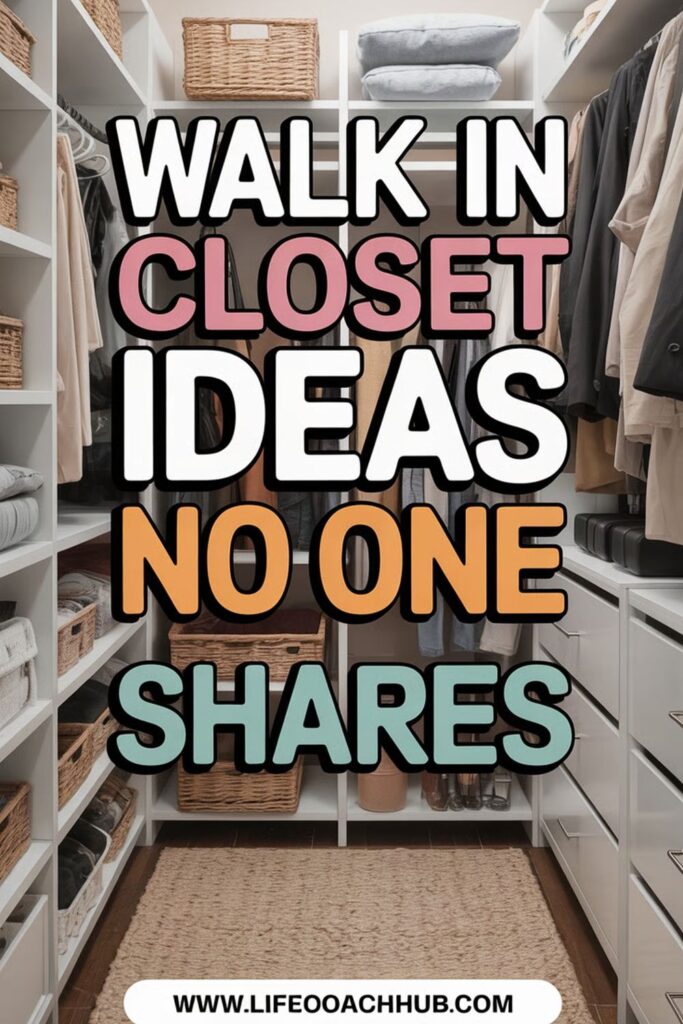
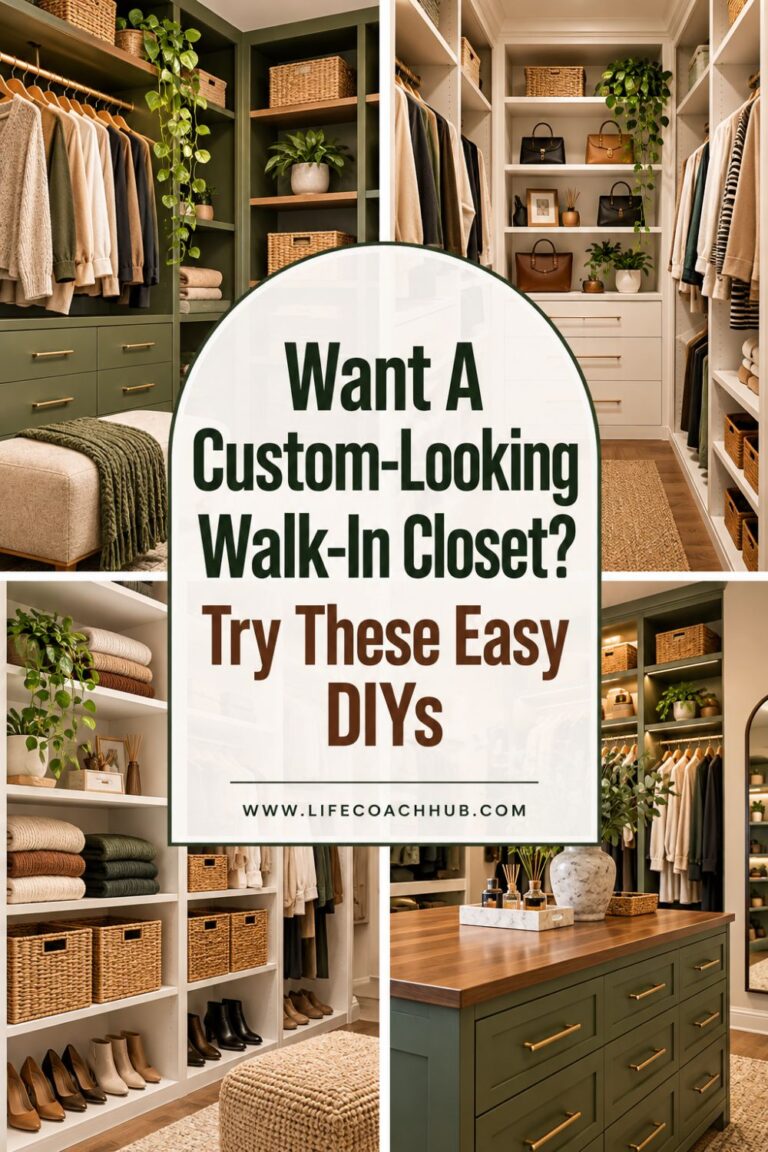
Even a walk-in closet can feel cramped when lighting, color, and spacing work against the room.
Dark paint, shadowy corners, packed rods, and cluttered floors shrink the space visually.
Simple design adjustments can change that quickly.
Brighter lighting, lighter wall colors, intentional spacing between garments, and defined floor zones help the room feel open and breathable without changing its footprint.
If you want to get more from your life, and are looking for concrete action steps to get you there, check out our Request a Coach page. It’s a “cut the fence-sitting and take action” way to tackle your issues and actually find success. To get off the fence and start to take action, click or tap here.
The closet doesn’t get bigger — the design simply stops making it feel smaller.
Want more ideas for visually expanding a walk-in closet? → Read the whole guide
Small Closet Organization DIY on a Budget (Under $100 Plan)

Many people assume fixing a small closet requires expensive built-ins or custom systems.
In reality, a few well-chosen upgrades can transform the space for under $100.
This approach focuses on measuring first, planning the layout, and installing one high-impact improvement — usually a second hanging rod.
Combined with slim hangers, a few uniform bins, and thoughtful spacing, these changes dramatically increase capacity without major spending.
The goal isn’t buying more products. It’s creating better structure.
Want the full budget plan and materials list? → Read the whole guide
If you want to get more from your life, and are looking for concrete action steps to get you there, check out our Request a Coach page. It’s a “cut the fence-sitting and take action” way to tackle your issues and actually find success. To get off the fence and start to take action, click or tap here.
How to Divide One Small Closet Between Two People
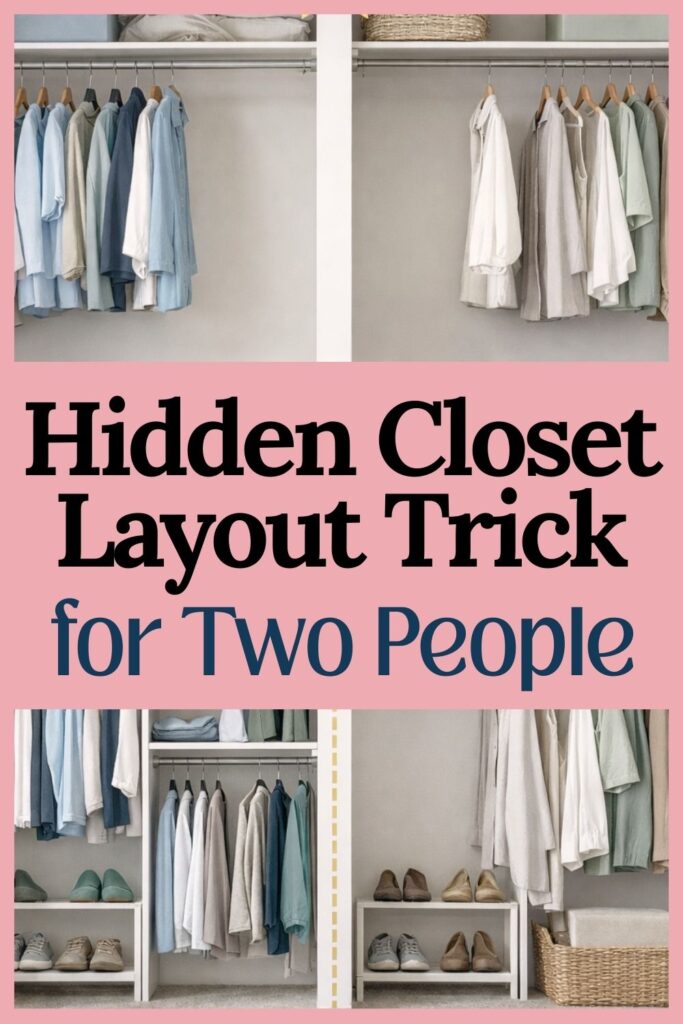
Shared closets often feel unfair, even when both people have similar wardrobes.
The real problem is unclear boundaries.
This system divides the closet using three simple principles: inventory first, equal zones, and storage parity. Instead of guessing, you measure each wardrobe and divide rods, shelves, and floor space intentionally.
When each person has clearly defined sections and equal usability, the closet becomes far easier to maintain.
Structure removes tension.
Want the full guide to dividing a small closet fairly? → Read the whole guide
Very Small Closet Ideas That Don’t Require Renovation
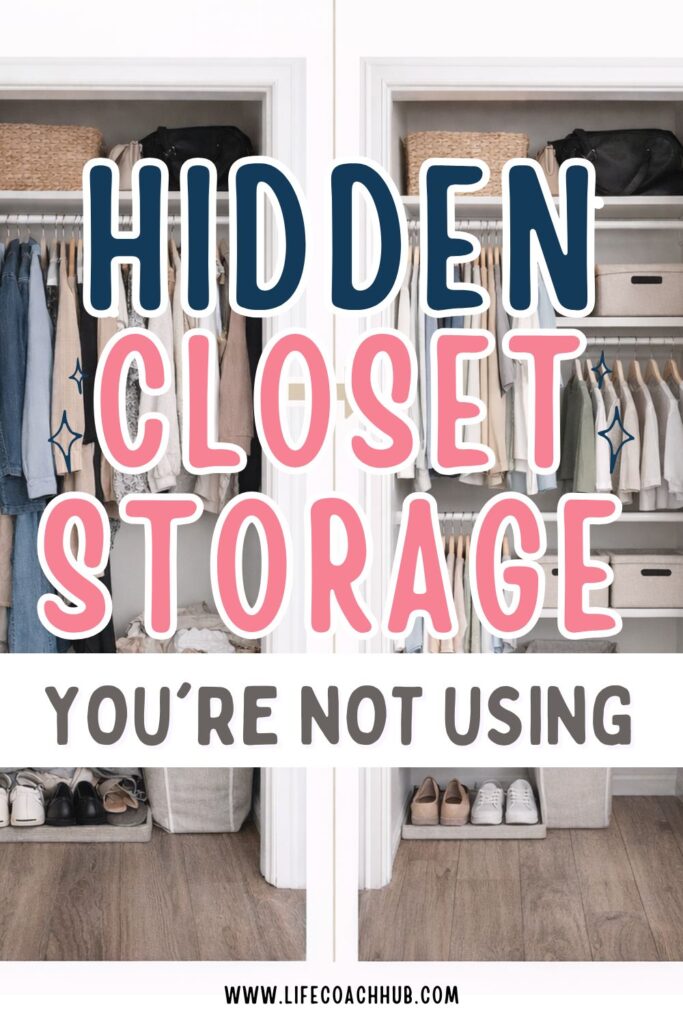
Tiny closets often feel like they need expensive renovations.
But most problems can be solved with temporary structure.
If you want to get more from your life, and are looking for concrete action steps to get you there, check out our Request a Coach page. It’s a “cut the fence-sitting and take action” way to tackle your issues and actually find success. To get off the fence and start to take action, click or tap here.
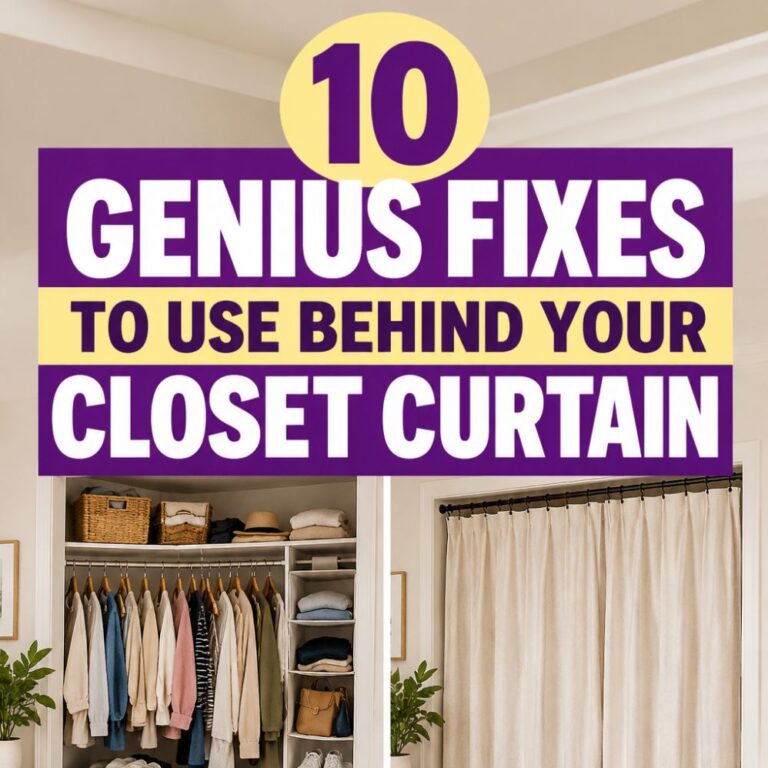
Tension rods, stackable bins, shelf risers, and slim hangers can double storage capacity without drilling into walls. These removable upgrades create vertical layers and clear containment so the closet feels organized instead of cramped.
It’s a practical solution for renters or anyone who wants quick improvements without construction.
Want more ideas for upgrading a very small closet without renovation? → Read the whole guide
How to Keep a Small Closet From Getting Cluttered Again
Even the best closet layout can slowly lose structure if the volume keeps growing.
Small spaces work best when the wardrobe stays within the closet’s limits.
One helpful rule is one-in, one-out. When a new item enters the closet, remove something you no longer wear.
A quick five-minute weekly reset also prevents clutter from building up. Rehang misplaced clothing, straighten shelves, and return items to their zones.
Small habits keep the system intact.
If you want to get more from your life, and are looking for concrete action steps to get you there, check out our Request a Coach page. It’s a “cut the fence-sitting and take action” way to tackle your issues and actually find success. To get off the fence and start to take action, click or tap here.
The Real Secret to Small Closet Organization
The biggest difference between a cramped closet and a functional one usually isn’t storage products.
It’s logic.
When clothing is grouped by how it’s used, vertical space is layered intentionally, and categories are clear, the closet naturally feels bigger.
Structure reduces visual noise and makes decisions easier.
And in a small closet, that clarity makes all the difference.
Are you all about style, decor and organization? Download a copy of our Decluttering Workbook.
*****
Need some in depth help with organization and productivity ? Drop on by our directories choc full of productivity coaches, minimalist coaches, and work/life balance coaches to get your life organized! Or click here to have us match you to the best.
READ MORE
How to Organize a Small Closet by Clothing Category (Instead of Type)
Small Room Closet Organization for Kids or Teens
The 5-Step Small Closet Reset (From Overflow to Functional)
Wall Closet Design Ideas That Maximize Height
How to Make a Smaller Walk-In Closet Feel Bigger
Small Closet Organization DIY on a Budget (Under $100 Plan)
How to Divide One Small Closet Between Two People
Very Small Closet Ideas That Don’t Require Renovation
If you want to get more from your life, and are looking for concrete action steps to get you there, check out our Request a Coach page. It’s a “cut the fence-sitting and take action” way to tackle your issues and actually find success. To get off the fence and start to take action, click or tap here.
If you want to get more from your life, and are looking for concrete action steps to get you there, check out our Request a Coach page. It’s a “cut the fence-sitting and take action” way to tackle your issues and actually find success. To get off the fence and start to take action, click or tap here.
Read this next

The Most Fun Pop-Culture Christmas Trees of the Year—And How to Recreate Them Fast
Are you all about style, decor and organization? Download a copy of our Decluttering Workbook.**** Pop-culture Christmas trees are taking over holiday decorating this year, and it’s easy to see […]
Read More
The Secret Formula for Choosing the Perfect Christmas Tree Color Palette
Are you all about style, decor and organization? Download a copy of our Decluttering Workbook.**** Choosing a Christmas tree color palette might feel intimidating, but a simple design formula makes […]
Read More
The Secret to a Welcoming Fall Porch (That Looks Straight Out of a Hallmark Movie)
Are you all about style, decor and organization? Download a copy of our Decluttering Workbook. **** There’s something about a Hallmark fall porch that feels instantly peaceful. The kind of […]
Read More