


Talk to a coach about Organizational coaching

Dr Soraya Sawicki, DSW, CPC, RMT
DSW, CPC, CSC, RMT
Personalized wellness coaching for stress relief, energy, and inner harmony.

Robert Bradley Singleton
Certified Master Spiritual Life Coach, Neuropsychologist, and Existential Therapist
Train with the best to be the best you! Don't...

Lisa Rogers
Certified Professional Coach | 500-Hour Yoga Teacher | Meditation Instructor | Trauma-Informed, IFS-, CBT-, DBT-, and Polyvagal-Informed Coach | High-Conflict Mediation Trained | HSP Specialist
Healing mind, body & spirit through coaching, meditation, and nervous...

Daniel Herron
CPLC
You know what it's like to avoid, to push away....

Diana Davis-Nanasi
ICF Certified Coach, helping clients overcome self-doubt, low confidence, stress managment
I understand life can become overwhelming; I am excited to...

Matthew Walley
Frame of Mind Coaching Certified
Mindset Coach helping people gain awareness around their thinking and...

Robert B Singleton, MCMA, MSc.
MSc. Metaphysical Sciences; B. Div., Divinity: Mindfulness and Positive Psychology fanatic
Positive Psychology and Mindfulness Specialties; NeuroScience and Trauma-informed

Maiysha Clairborne
MD, Master NLP Coach & Hypnotist
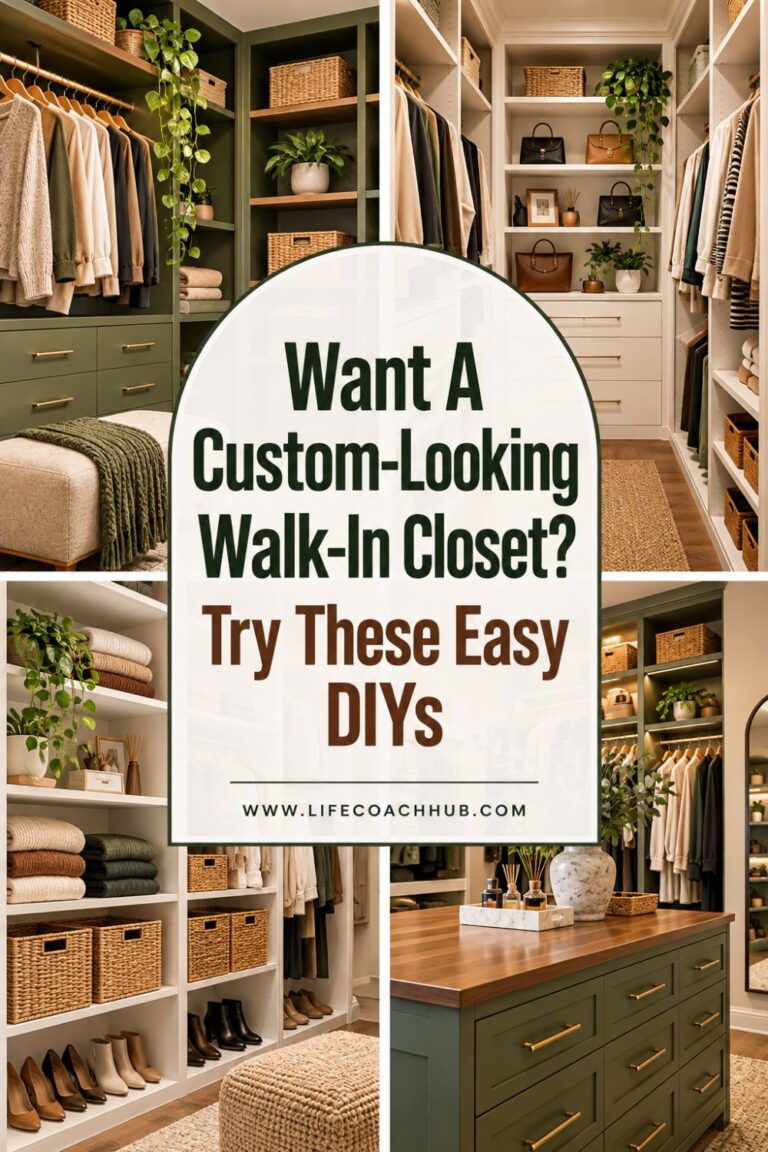
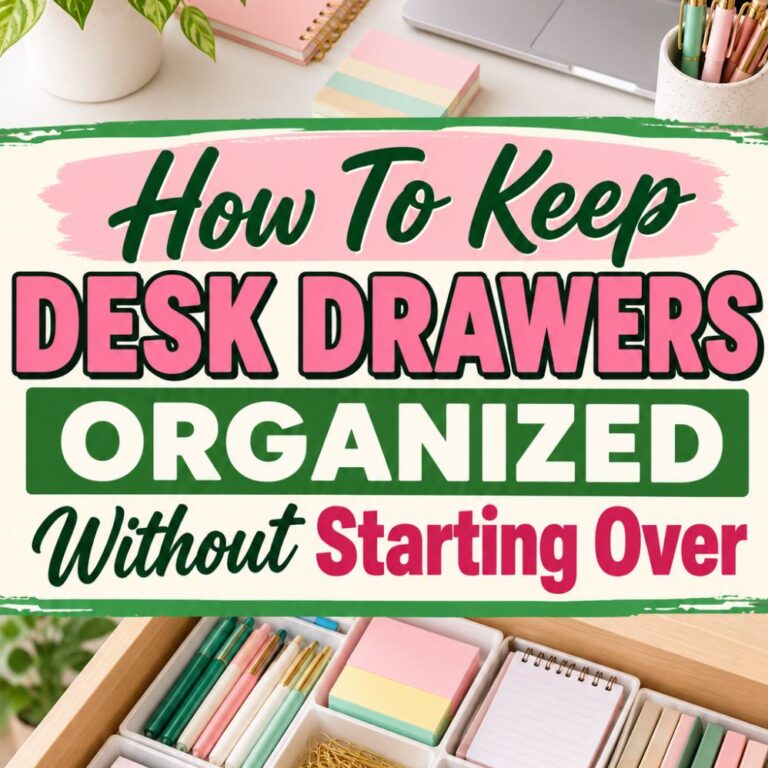
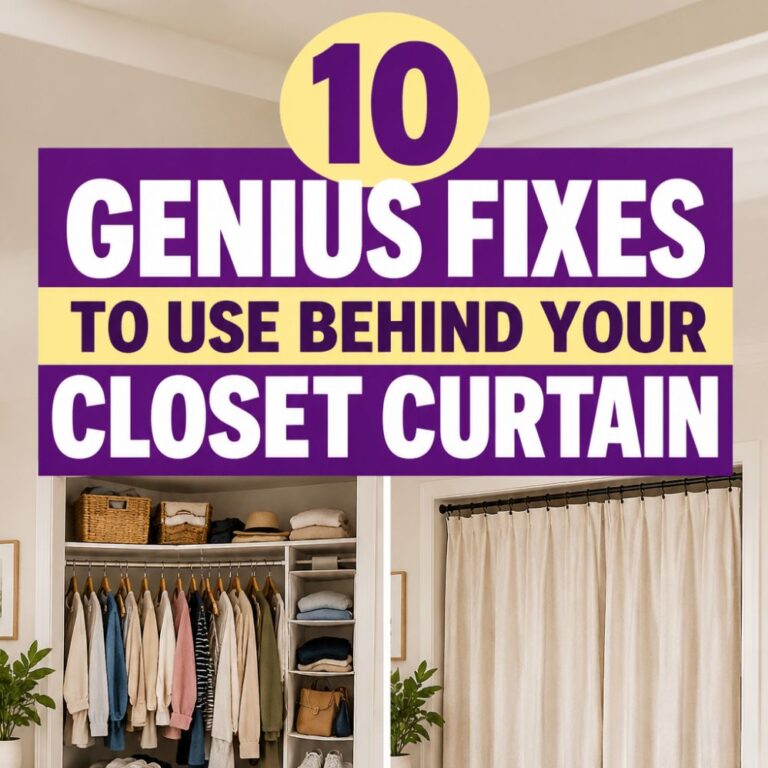
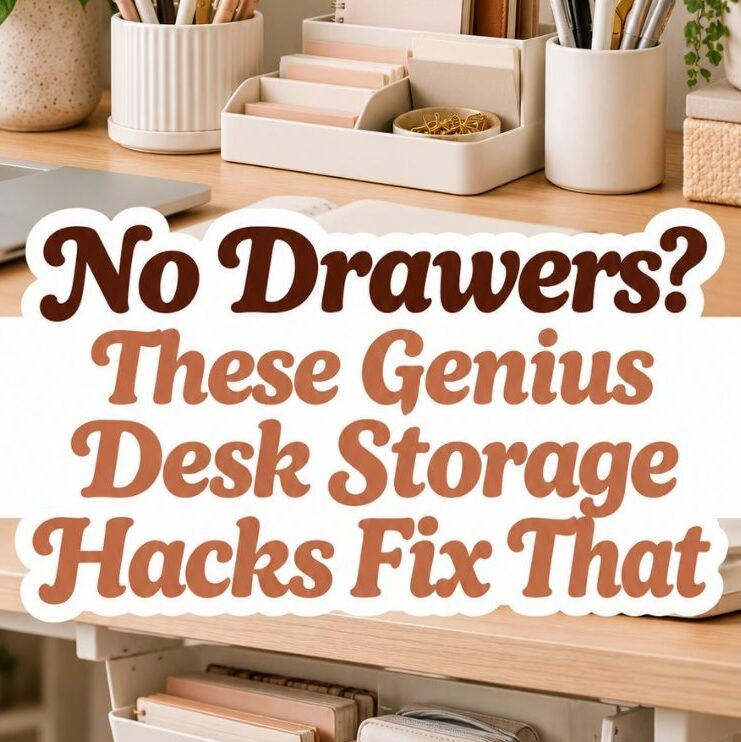
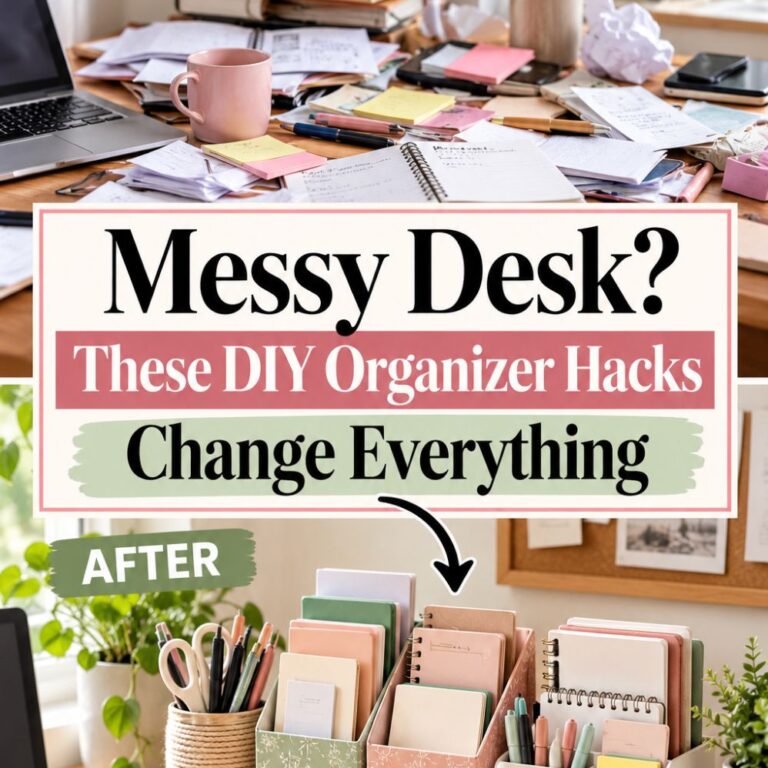
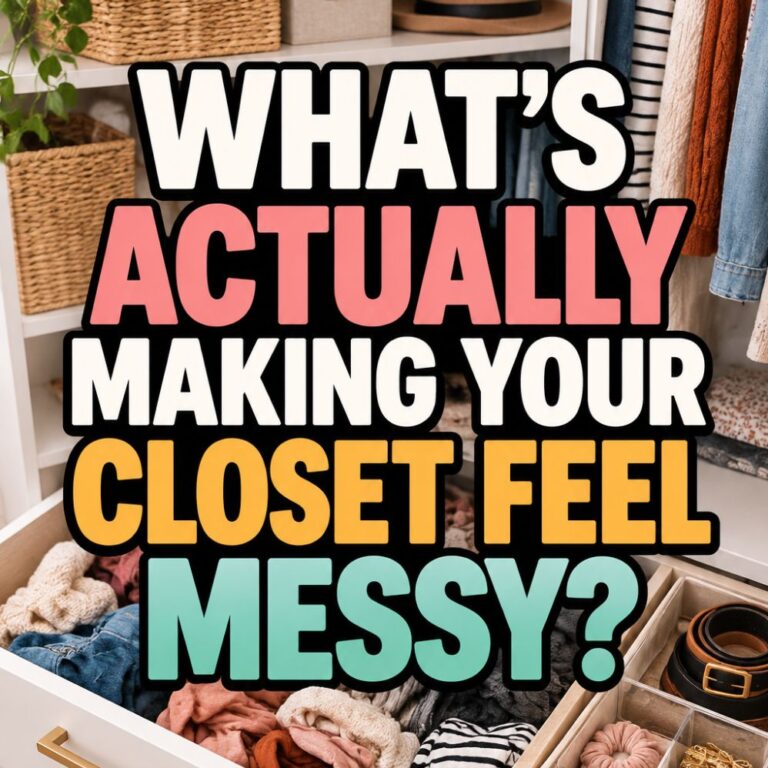
Those Matching Bins You Love? They Might Be Wrecking Your Organization Game

We’ve all been there: scrolling Pinterest or Instagram, falling hard for those gorgeous, uniform bins stacked neatly on a shelf. They’re modern. Minimal. Aesthetically perfect. And with one click, they’re in your cart—on their way to transform your pantry, closet, or office.
But then, reality hits.
The bins arrive. You eagerly place your items inside. You label them. You admire the look. And then… chaos creeps back in. Slowly, but surely, you stop using the system. Why?
As we shared in the roundup, matching bins can actually make things worse if there’s no system beneath the surface. In this article, we explore why aesthetic storage often hides deeper dysfunction—and what to do instead.
Want more home tricks like this? Get our free Clutter Reset Guide, plus Home Hacks Daily in your inbox. Get the free guide
Because pretty doesn’t equal practical.

Sure, matching bins look like a dream. But if you’ve ever found yourself:
- Digging through five identical containers trying to find one specific thing
- Forgetting what’s inside because the labels don’t show enough
- Leaving lids half-on (or entirely off) because you’re in a rush
- Tossing new stuff into random bins because “it doesn’t fit anywhere else”
Then your stylish solution might actually be sabotaging your sanity.
The Real Problem: Bins Before Systems

It’s easy to assume storage bins create organization—but they don’t. They’re just a tool. And when used without a plan, they can actually make clutter harder to see, harder to reach, and harder to maintain.
Especially if you’re like Rachel (our overwhelmed but ambitious solopreneur), time and energy are precious. If your system adds friction, it won’t last—no matter how good it looks.
A bin isn’t a solution. A system is.
Think of it like trying to install beautiful bookshelves before deciding what kind of books you’re storing. You end up designing for aesthetics, not actual use—and eventually, the whole thing falls apart.
The Fix: Function Comes First

Before you buy another bin, ask yourself:
SEE ALSO: If clutter keeps creeping back no matter how often you tidy, grab our free Clutter Reset Guide. It's a quick-start plan to get organized without feeling overwhelmed, with simple steps you can start today. Ready to find your keys in the morning? Click or tap here.
- What am I actually storing?
- How often do I need to access it?
- Can I see what’s inside?
- Is this adding convenience or just camouflaging clutter?

Pro tip: Clear, open-top bins, trays, hooks, or tiered shelves are often better for items you use every day. Save the pretty lidded bins for deep storage or infrequent-use zones.
Also consider your habits. If you tend to toss things in quickly or forget what you own, you need open, visible systems—not lidded mystery boxes.
It’s Not Too Late

Already invested in matching bins? Don’t worry—you can still make them work. Start by:
- Re-sorting what goes inside based on use, not looks
- Removing lids if they’re slowing you down
- Adding clear visual labels or content cards
- Leaving one bin empty to absorb overflow
Even the most aesthetic system can be saved with small tweaks that prioritize function over form.
Want help designing a system that’s as functional as it is stylish? Check out our full breakdown here for step-by-step guidance.
Read this next

Why Your Galentine’s Aesthetic Should Be the First Decision You Make
Are you all about style, decor and organization? Download a copy of our Decluttering Workbook.**** A Galentine’s night isn’t just about pink décor or matching pajamas — it’s about creating […]
Read More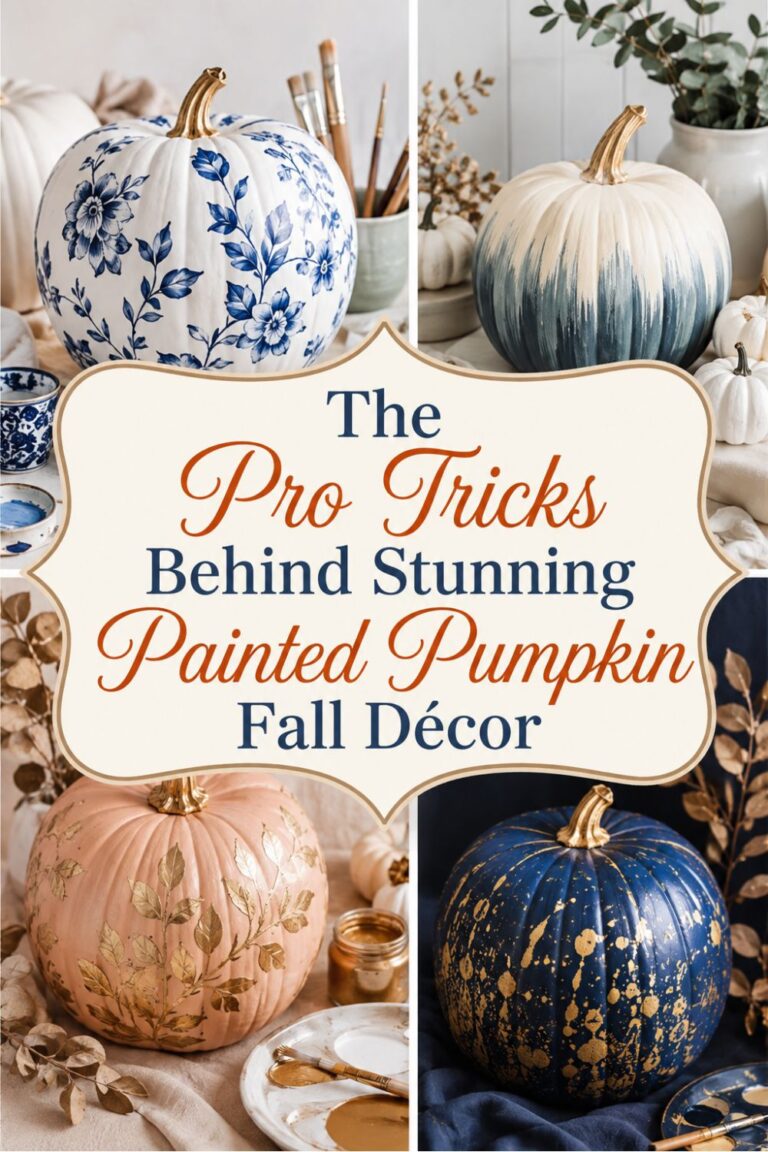
The Secret Techniques Professional Artists Use on Painted Pumpkins
Are you all about style, decor and organization? Download a copy of our Decluttering Workbook. **** Carving pumpkins might be the tradition, but painted pumpkins have taken over as the […]
Read More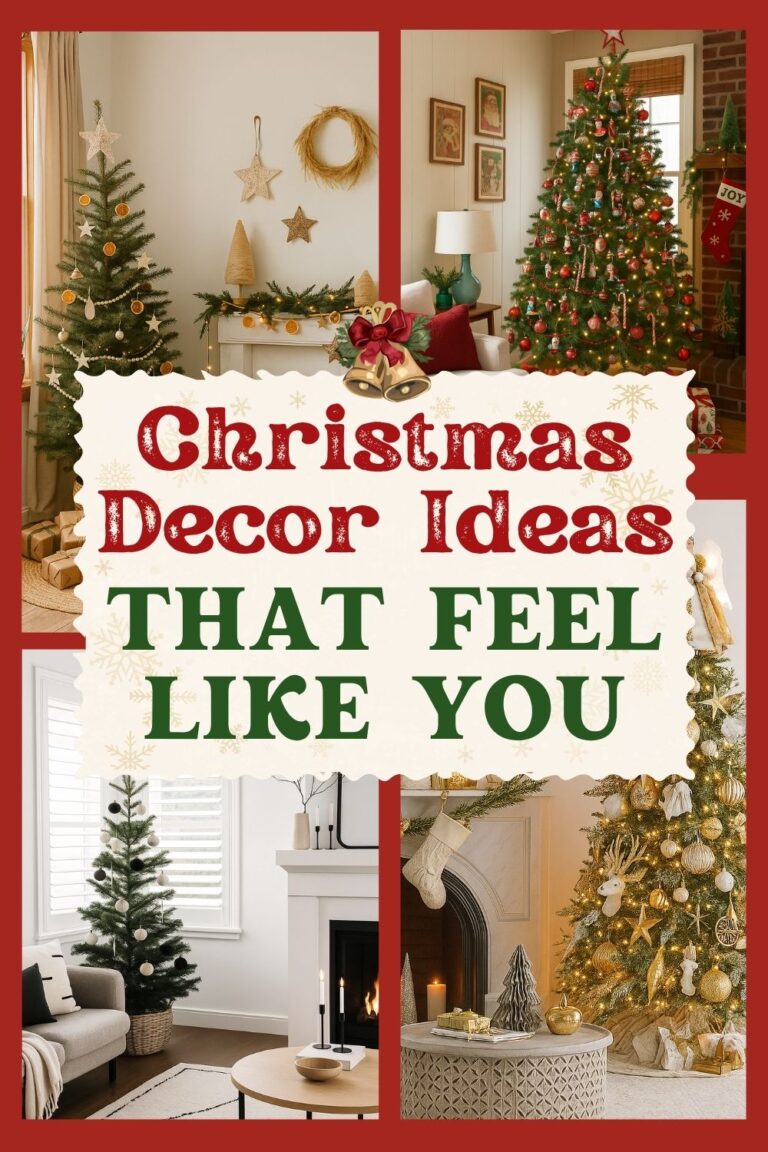
How to Decorate for Christmas Based on Your Aesthetic: The Luxury Lover, Modern Minimalist, Vintage Soul & Boho Dreamer
Are you all about style, decor and organization? Download a copy of our Decluttering Workbook. **** Your Christmas decor says more about you than any trend ever could. It’s not […]
Read More