







Three Awesome Tips for Coaches
Your tribe is waiting… Are you hiding out?
Key Takeaways
- Sell the outcome, not the coaching process. Prospects care more about the change they want than the number of sessions, exercises, or techniques you use to help them reach it.
- Make your coaching promise concrete. Connect the problem your client recognizes with a desired change and observable signs of progress so they can understand what they are considering buying.
- Use discovery sessions to create clarity. Ask questions that help prospects articulate what they want, what is happening now, and what is getting in the way instead of trying to prove your expertise by diagnosing them.
- Give interested prospects one clear next step. A productive conversation can still go nowhere if the person leaves without knowing whether or how they can work with you.
- Build a path from visibility to action. Being seen is only the beginning. Prospects need a clear route from finding you to understanding your offer, booking a conversation, and becoming a client.
How Do You Turn Coaching Interest Into Paying Clients?
You turn coaching interest into paying clients by making the desired outcome clear, helping prospects understand the gap between where they are and where they want to be, and giving them an obvious next step if coaching is a good fit.
That creates a simple client path: desired outcome → useful conversation → clear invitation → easy next action. Marketing creates the interest. A discovery conversation helps the prospect explore whether coaching fits the problem. A clear booking or purchasing path lets them act on that decision.
The mistake is treating each piece separately. A brilliant discovery session cannot compensate for an offer nobody understands, and visibility cannot produce many clients if interested people cannot work out what to do next.
Why Is “Selling Coaching” So Hard?
If you’re struggling to sell your coaching services it may be because you’re trying to SELL “coaching.”
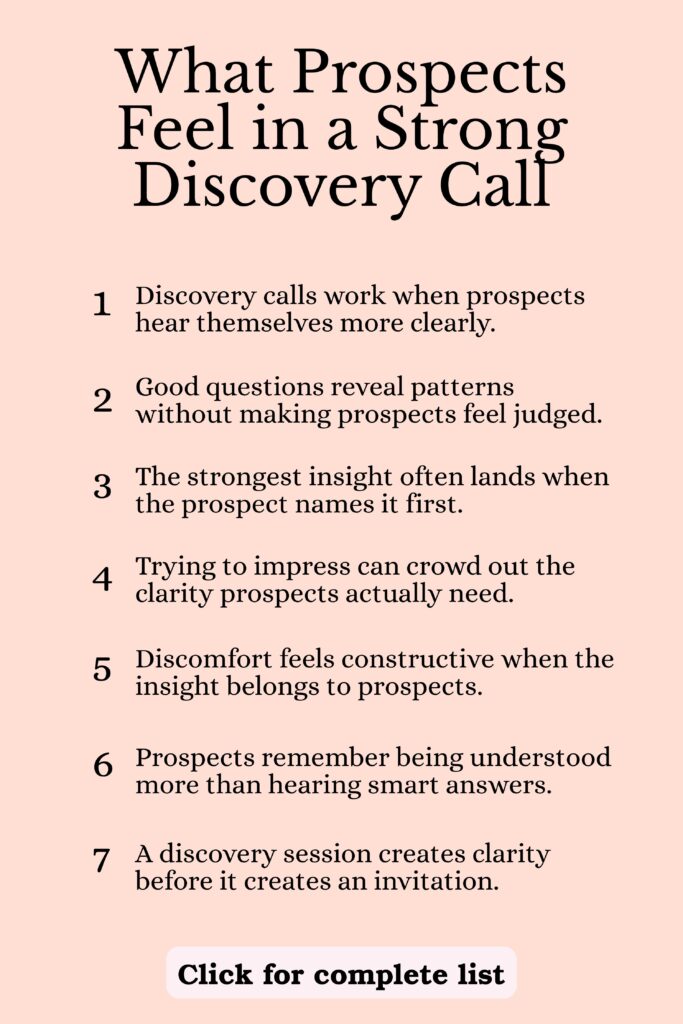
A lot of coaches struggle because they try to sell coaching. People don’t want coaching – they want their dreams.
SEE ALSO: If you’re a coach looking to streamline your administrative tasks and save time, check out our Coaching Administration Software. It’s a simple, effective solution designed to help you focus less on paperwork and more on what matters—coaching your clients. From scheduling to client management, our software gives you the tools to run your business efficiently. Ready to reclaim your time and boost productivity? Click or tap here.
They want to reach their goals and move through the challenges they have. Coaching is just a means to an end. When you take your car in to be repaired, you don’t care what tools they use, you just want your car fixed.
The same goes for coaching. Sell them on their desires, not “your coaching.”
What Does Your Client Actually Think They Are Buying?
Your client is buying progress toward something they want, while coaching is the method you use to help them make that progress.
Clayton Christensen and his coauthors describe a similar idea through the Jobs to Be Done framework. Their work argues that customers make choices because they have a particular “job” they are trying to accomplish in a specific situation.
Apply that thinking to coaching.
A career coaching prospect probably does not wake up wanting “six 60-minute coaching sessions.” They may want to stop drifting between jobs and choose a career direction they can commit to.
SEE ALSO: If you’re a coach looking to streamline your administrative tasks and save time, check out our Coaching Administration Software. It’s a simple, effective solution designed to help you focus less on paperwork and more on what matters—coaching your clients. From scheduling to client management, our software gives you the tools to run your business efficiently. Ready to reclaim your time and boost productivity? Click or tap here.
An executive coaching prospect may not particularly want “leadership coaching.” They may want to stop freezing during difficult conversations with senior colleagues.
A relationship coaching prospect may want to stop having the same argument every Sunday night.
That gives you three different levels to think about:
- Format: What are you selling? Six sessions, a 12-week package, a group program.
- Process: What will you actually work on? Decisions, accountability, difficult conversations, habits, goals.
- Outcome: What progress does the client want to make? Make the career decision, handle the conversation, change the recurring behavior.
Your marketing becomes clearer when those three levels do not get confused.
You can still explain your process. Just do not expect the process to carry the entire sales message.
How Do You Turn a Vague Coaching Promise Into a Clear Outcome?
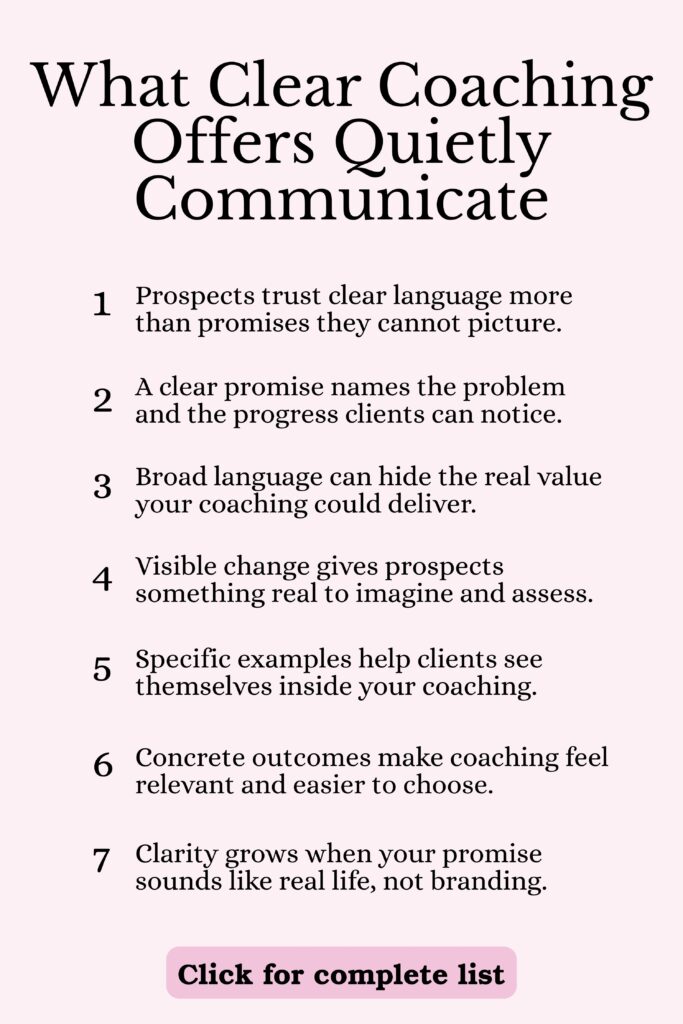
A vague coaching promise becomes clearer when you connect a recognizable problem to a desired change and observable evidence of progress.
SEE ALSO: If you’re a coach looking to streamline your administrative tasks and save time, check out our Coaching Administration Software. It’s a simple, effective solution designed to help you focus less on paperwork and more on what matters—coaching your clients. From scheduling to client management, our software gives you the tools to run your business efficiently. Ready to reclaim your time and boost productivity? Click or tap here.
Use this simple structure:
Problem → Desired Change → Evidence of Progress
Start with what the prospective client can already recognize.
“I lack confidence” is broad.
“I stay silent in meetings even when I disagree, then spend the afternoon wishing I had spoken up” is observable.
Next, define the desired change.
SEE ALSO: If you’re a coach looking to streamline your administrative tasks and save time, check out our Coaching Administration Software. It’s a simple, effective solution designed to help you focus less on paperwork and more on what matters—coaching your clients. From scheduling to client management, our software gives you the tools to run your business efficiently. Ready to reclaim your time and boost productivity? Click or tap here.
“I want more confidence” is still fuzzy.
“I want to contribute my ideas, disagree professionally, and stop rehearsing every conversation for hours beforehand” gives the coaching somewhere concrete to go.
Then ask what progress would look like in real life.
Maybe the client contributes in three consecutive leadership meetings. Maybe they ask for the promotion they have avoided discussing. Maybe they make a career decision by a defined date instead of researching another 40 possibilities.
This does not mean guaranteeing results you cannot control. It means making the problem and intended direction specific enough for the prospect to recognize themselves in your offer.
Compare:
SEE ALSO: If you’re a coach looking to streamline your administrative tasks and save time, check out our Coaching Administration Software. It’s a simple, effective solution designed to help you focus less on paperwork and more on what matters—coaching your clients. From scheduling to client management, our software gives you the tools to run your business efficiently. Ready to reclaim your time and boost productivity? Click or tap here.
“I help professionals unlock their potential and become their best selves.”
With:
“I help professionals who know they need a career change work through the options, make a clear decision, and build an action plan for their next move.”
The second gives the prospect something to evaluate.
Once you have defined that outcome, you can package the work around it rather than presenting coaching as an open-ended block of hours.
What Should Happen in a Coaching Discovery Session?
When doing a free session, leave people feeling good!
SEE ALSO: If you’re a coach looking to streamline your administrative tasks and save time, check out our Coaching Administration Software. It’s a simple, effective solution designed to help you focus less on paperwork and more on what matters—coaching your clients. From scheduling to client management, our software gives you the tools to run your business efficiently. Ready to reclaim your time and boost productivity? Click or tap here.
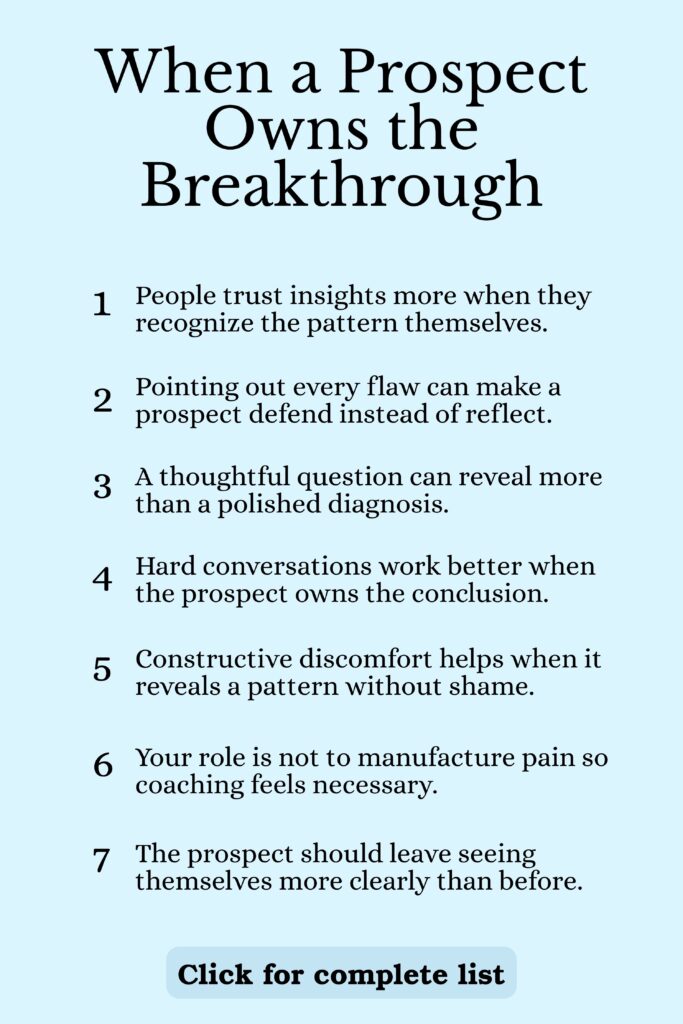
Do not use your free coaching sessions to pinpoint and nitpick on what you think is wrong with the person or what they’re doing. If there’s something “wrong” they’ll often surface that up themselves if you’re asking the right questions.
Make sure you leave people feeling better than how you found them. People remember how they felt when they were around you more than anything you said.
What Should You Ask Instead of Trying to Impress the Prospect?
The most useful discovery questions move the prospect from the outcome they want to the reality they face now, the gap between the two, and the next step they are prepared to take.
A simple sequence is:
Desired Outcome → Current Reality → Gap → Importance → Next Step
You might ask:
SEE ALSO: If you’re a coach looking to streamline your administrative tasks and save time, check out our Coaching Administration Software. It’s a simple, effective solution designed to help you focus less on paperwork and more on what matters—coaching your clients. From scheduling to client management, our software gives you the tools to run your business efficiently. Ready to reclaim your time and boost productivity? Click or tap here.
- Desired Outcome: “What would you most like to be different six months from now?”
- Current Reality: “What is happening right now?”
- Gap: “What keeps getting in the way when you try to change it?”
- Importance: “What happens if this is still the same six months from now?”
- Next Step: “What do you think needs to happen next?”
Imagine a career coaching prospect who says, “I need to figure out what job I should do.”
It would be easy to start listing assessments, career exercises, or possible directions. Instead, the questions may uncover something more useful.
Perhaps the person already has three viable options. Their real pattern is researching each option until they find a reason to reject it.
Now you have discovered something that another ten career suggestions would not solve.
That is the point of the conversation. You are not trying to demonstrate how quickly you can produce an answer. You are helping the prospect see the situation more clearly.
Why Doesn’t “Leave Them Feeling Good” Mean Avoiding the Problem?
Leaving a prospect feeling better does not mean avoiding difficult truths. It means creating useful insight without making the person feel defective so you can position yourself as the solution.
SEE ALSO: If you’re a coach looking to streamline your administrative tasks and save time, check out our Coaching Administration Software. It’s a simple, effective solution designed to help you focus less on paperwork and more on what matters—coaching your clients. From scheduling to client management, our software gives you the tools to run your business efficiently. Ready to reclaim your time and boost productivity? Click or tap here.
There is a big difference between these two approaches.
One coach says, “I can already see that you have serious confidence issues and you are sabotaging yourself.”
Another asks, “You have mentioned three opportunities you wanted, but in each case you pulled back before taking the next step. What do you notice about that?”
The second question may lead somewhere uncomfortable. Good.
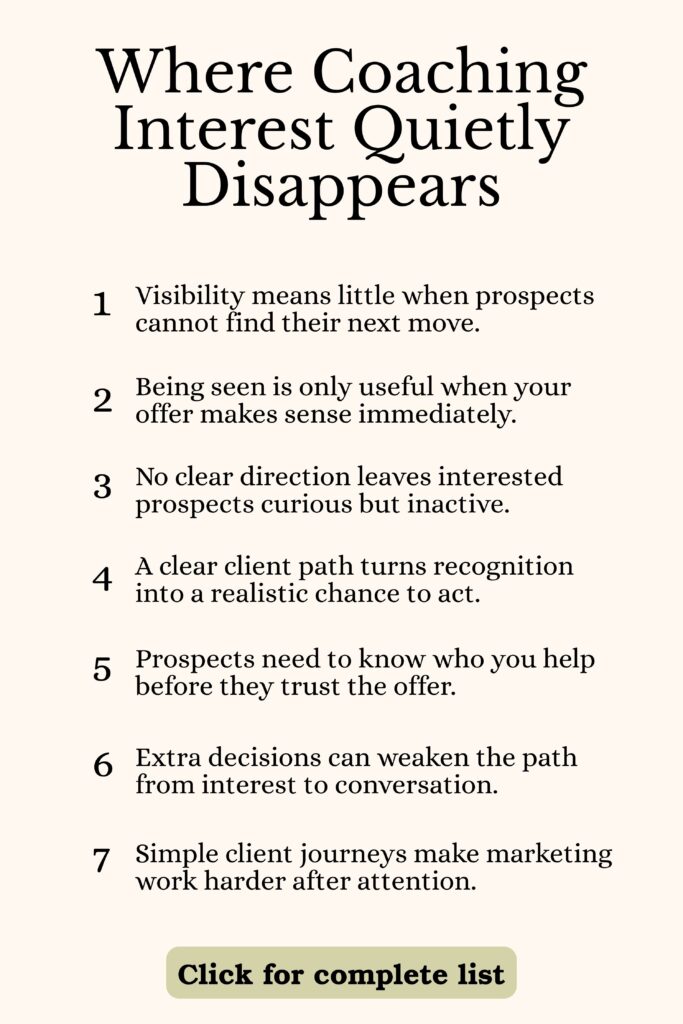
A discovery session does not have to be relentlessly positive. A prospect might realize they have been avoiding a decision, repeating an unhelpful pattern, or waiting for certainty that is never going to arrive.
What matters is who owns the insight.
SEE ALSO: If you’re a coach looking to streamline your administrative tasks and save time, check out our Coaching Administration Software. It’s a simple, effective solution designed to help you focus less on paperwork and more on what matters—coaching your clients. From scheduling to client management, our software gives you the tools to run your business efficiently. Ready to reclaim your time and boost productivity? Click or tap here.
When the prospect can see the pattern and describe its consequences themselves, the conversation can be challenging and still feel constructive.
That is very different from manufacturing pain to make coaching seem necessary.
What Should Happen After a Good Discovery Session?
A good discovery session should end with clarity about what the prospect wants, whether your coaching is an appropriate fit, and what the next step is.
A simple close is:
Insight → Fit → Invitation
First, summarize the insight.
SEE ALSO: If you’re a coach looking to streamline your administrative tasks and save time, check out our Coaching Administration Software. It’s a simple, effective solution designed to help you focus less on paperwork and more on what matters—coaching your clients. From scheduling to client management, our software gives you the tools to run your business efficiently. Ready to reclaim your time and boost productivity? Click or tap here.
“You came in thinking you needed more career options, but it sounds like you already have options. The bigger issue is getting out of the research loop and making a decision you can test.”
Then address fit.
“That is something we could work on together. We would focus on narrowing your criteria, testing the strongest options, and turning the decision into concrete actions.”
Then make the invitation clear.
“If you want support with that, I can explain how my coaching package works.”
No elaborate closing trick is required.
SEE ALSO: If you’re a coach looking to streamline your administrative tasks and save time, check out our Coaching Administration Software. It’s a simple, effective solution designed to help you focus less on paperwork and more on what matters—coaching your clients. From scheduling to client management, our software gives you the tools to run your business efficiently. Ready to reclaim your time and boost productivity? Click or tap here.
If the person is interested, make taking the next step easy. A Public Booking Page can give prospects a straightforward way to book an appropriate session, while a defined coaching package makes the offer itself easier to understand.
The point is not to push everyone into a sale. It is to prevent a good-fit prospect from leaving a valuable conversation thinking, “That was helpful. I wonder what happens now?”
Are You Making It Too Hard for Potential Clients to Find You?
Your tribe is waiting for you, are you hiding out?
If you believe that your services can change someone’s life for the better, but you don’t let them know about it, you are doing them a disservice.
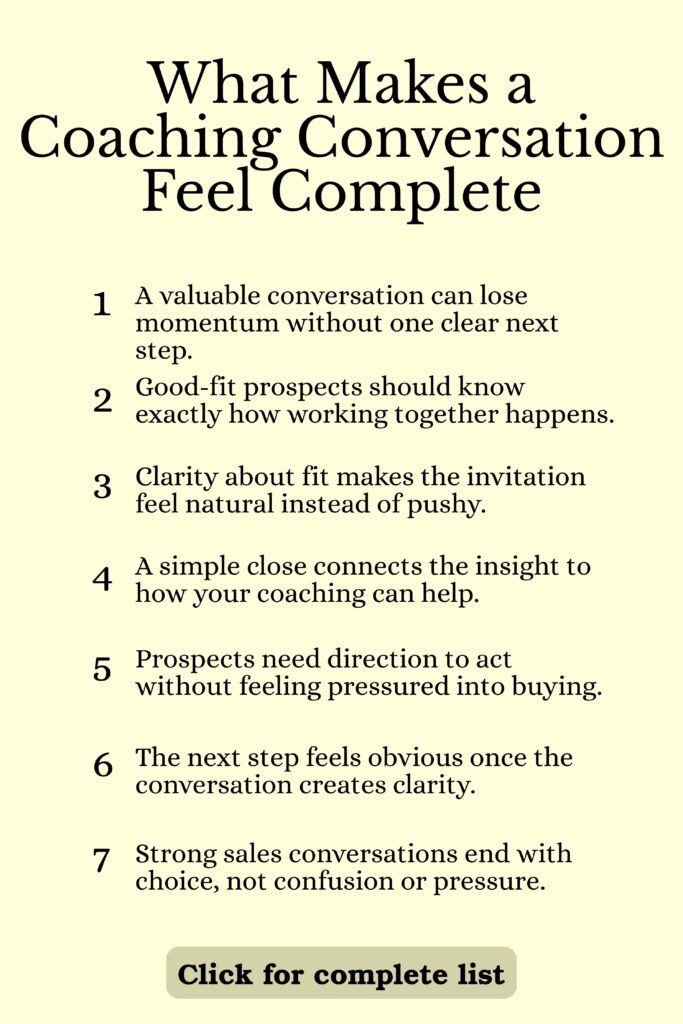
You’ve got to learn how to SELL… SERVE, SHARE (or whatever word feels good to you) because your tribe is waiting for you to show up to share your gifts. Hiding out serves no one.
Do you want to be a contributor or will you continue to hide out? Better question… “What else is possible?”
SEE ALSO: If you’re a coach looking to streamline your administrative tasks and save time, check out our Coaching Administration Software. It’s a simple, effective solution designed to help you focus less on paperwork and more on what matters—coaching your clients. From scheduling to client management, our software gives you the tools to run your business efficiently. Ready to reclaim your time and boost productivity? Click or tap here.
Why Isn’t Visibility Enough to Get Coaching Clients?
Visibility gets you noticed, but a client-getting path tells an interested person what to do after they notice you.
Think about the sequence:
Visibility → Interest → Action → Conversation → Client
A coach can be active on LinkedIn three times a week, appear in search results, get profile views, and still book very few consultations.
Why?
Look at what happens after someone becomes interested.
SEE ALSO: If you’re a coach looking to streamline your administrative tasks and save time, check out our Coaching Administration Software. It’s a simple, effective solution designed to help you focus less on paperwork and more on what matters—coaching your clients. From scheduling to client management, our software gives you the tools to run your business efficiently. Ready to reclaim your time and boost productivity? Click or tap here.
Can they immediately tell who the coach helps?
Can they recognize the problem the coach works on?
Can they see what kind of result the work is designed to support?
Is there an obvious action to take?
If the answer is no, the visibility is producing attention without enough direction.
For example, imagine an executive coach publishes a useful post about handling conflict with senior colleagues. A reader thinks, “This is exactly my problem.”
SEE ALSO: If you’re a coach looking to streamline your administrative tasks and save time, check out our Coaching Administration Software. It’s a simple, effective solution designed to help you focus less on paperwork and more on what matters—coaching your clients. From scheduling to client management, our software gives you the tools to run your business efficiently. Ready to reclaim your time and boost productivity? Click or tap here.
They click the coach’s profile.
The bio says the coach “empowers transformational leaders to unlock their authentic potential.” There is no clear offer, no obvious consultation link, and no useful resource about workplace conflict.
The reader leaves.
That was not primarily a visibility problem. The coach was found. The path after discovery broke down.
Give people more than one sensible way to discover you. Alongside your own website and content, a free life coach directory listing can create another route for prospective clients who are actively looking for a coach.
Then make the next action unmistakable. That might be booking a consultation through a Public Booking Page or accessing a relevant lead magnet.
SEE ALSO: If you’re a coach looking to streamline your administrative tasks and save time, check out our Coaching Administration Software. It’s a simple, effective solution designed to help you focus less on paperwork and more on what matters—coaching your clients. From scheduling to client management, our software gives you the tools to run your business efficiently. Ready to reclaim your time and boost productivity? Click or tap here.
For a fuller look at how those stages connect, see How to Master Funnels as a Coach (and Why You Need To).
Can a Prospect Figure Out What to Do Next?
A prospect should be able to understand who you help, what you help them change, and how to take the next step without solving a puzzle.
Run the One-Path Test on your own coaching business.
Pretend you have never heard of yourself before.
Land on the page, profile, or social account where a new prospect is most likely to find you. Then answer five questions:
- Who is this coaching for?
- What recognizable problem does it address?
- What kind of progress is the client working toward?
- What can I do if I want to learn more?
- What can I do if I am ready to talk to the coach?
Now count the decisions required.
SEE ALSO: If you’re a coach looking to streamline your administrative tasks and save time, check out our Coaching Administration Software. It’s a simple, effective solution designed to help you focus less on paperwork and more on what matters—coaching your clients. From scheduling to client management, our software gives you the tools to run your business efficiently. Ready to reclaim your time and boost productivity? Click or tap here.
If someone has to visit your Instagram bio, click to your website, open a generic services page, choose between seven offers, hunt for a contact form, and wait for an email exchange about availability, you have created unnecessary friction.
A simpler path might be:
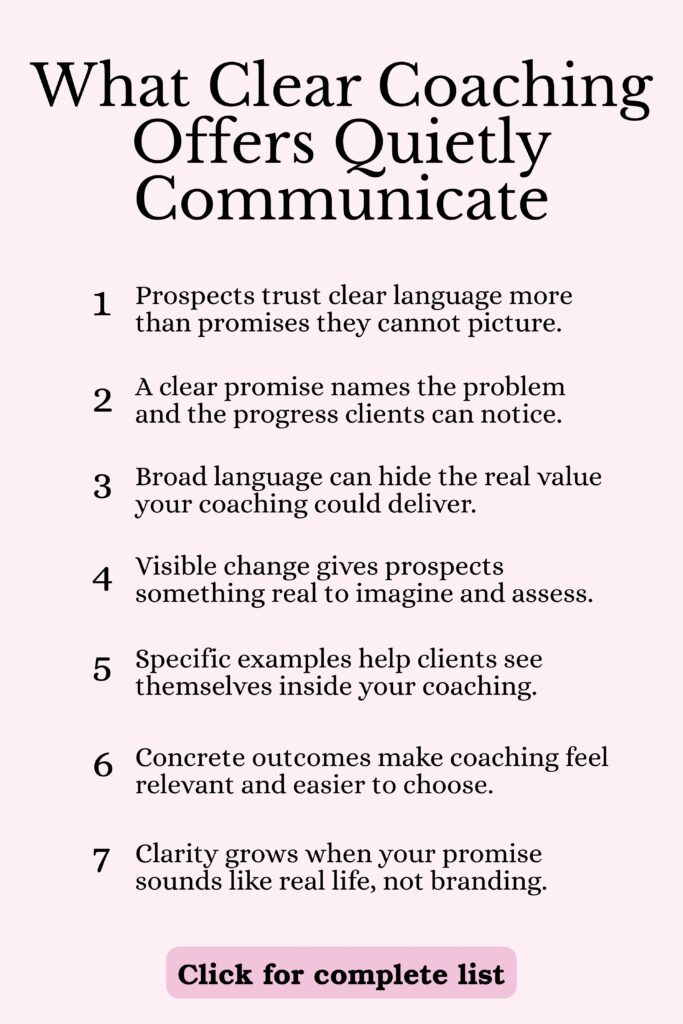
Useful content → clear coaching offer → Public Booking Page → discovery session
Or:
Search or directory profile → relevant lead magnet → coaching offer → discovery session
You do not need twenty funnels.
SEE ALSO: If you’re a coach looking to streamline your administrative tasks and save time, check out our Coaching Administration Software. It’s a simple, effective solution designed to help you focus less on paperwork and more on what matters—coaching your clients. From scheduling to client management, our software gives you the tools to run your business efficiently. Ready to reclaim your time and boost productivity? Click or tap here.
You need at least one clear path that a real prospect can follow from “this coach understands my problem” to “here is what I can do next.”
Where LCH Core Fits
LCH Core fits after you have clarified the outcome you help clients pursue and the path you want prospects to follow. The technology supports the client-getting process. It does not replace the thinking behind it.
For example, a simple path could look like this:
Visibility → lead magnet or consultation → prospect information → coaching package → onboarding → coaching
A prospect could find your work, use a lead magnet, or book through your Public Booking Page. Client management (CRM) can then keep client profiles, notes, and intake forms together as the relationship develops.
Once someone becomes a client, a Welcome Package can bring together the welcome letter, coaching agreement with electronic signature, and forms needed to begin the relationship clearly.
SEE ALSO: If you’re a coach looking to streamline your administrative tasks and save time, check out our Coaching Administration Software. It’s a simple, effective solution designed to help you focus less on paperwork and more on what matters—coaching your clients. From scheduling to client management, our software gives you the tools to run your business efficiently. Ready to reclaim your time and boost productivity? Click or tap here.
You can then use journals, worksheets, goals, action items, and resources when they support the actual coaching work.
The useful distinction is simple: your strategy determines the path. Your system helps you run it consistently.
If you want to see how these pieces fit into the wider coaching business, Best Coaching Software for Life Coaches: What to Look For Before You Choose looks at the full client journey rather than treating scheduling, client management, and coaching delivery as unrelated tasks.
Frequently Asked Questions About Selling Coaching Services
How do life coaches sell coaching without sounding pushy?
Life coaches can sell without sounding pushy by helping prospects understand the problem, desired outcome, and available next step rather than pressuring them to buy. A clear invitation gives the prospect something concrete to decide without pretending every conversation must end in a sale.
What should I say instead of selling “coaching”?
Describe the problem you help with and the progress the client wants instead of relying on the word “coaching.” “Career coaching” describes a category. “Helping professionals choose and move toward their next career direction” tells the prospect what the work is for.
What should happen during a free coaching discovery session?
A discovery session should clarify what the prospect wants, what is happening now, what is getting in the way, and whether coaching is an appropriate next step. It should give both coach and prospect enough information to make a sensible decision about fit.
SEE ALSO: If you’re a coach looking to streamline your administrative tasks and save time, check out our Coaching Administration Software. It’s a simple, effective solution designed to help you focus less on paperwork and more on what matters—coaching your clients. From scheduling to client management, our software gives you the tools to run your business efficiently. Ready to reclaim your time and boost productivity? Click or tap here.
Should you coach someone during a discovery call?
You can use coaching skills during a discovery call without turning the entire conversation into a free coaching engagement. Thoughtful questions and useful reflection can demonstrate how you work while leaving enough time to discuss fit and next steps.
What questions should a coach ask during a discovery session?
Ask questions about the prospect’s desired outcome, current reality, obstacles, importance, and next step. Questions such as “What would you most like to change?” and “What keeps happening when you try?” usually reveal more than a long explanation of your coaching method.
How do I turn a discovery call into a paying coaching client?
Turn a good-fit discovery call into a potential client relationship by summarizing the problem and desired outcome, explaining how your coaching relates to that gap, and making one clear invitation. If they want to continue, make booking, payment, and onboarding straightforward.
How can a new life coach get more clients?
A new life coach can improve client acquisition by combining targeted visibility with a clear offer and a simple route from interest to conversation. Content, referrals, a directory profile, lead magnets, and other visibility methods are most useful when interested prospects can immediately understand what the coach helps with and how to take the next step.
Sources
Christensen, Clayton M., Taddy Hall, Karen Dillon, and David S. Duncan. “Know Your Customers’ ‘Jobs to Be Done.’” Harvard Business Review, Sept. 2016. Harvard Business Review.
Life Coach Hub. “How Do I Set Up My Public Booking Page?” Life Coach Hub Support. Life Coach Hub.
SEE ALSO: If you’re a coach looking to streamline your administrative tasks and save time, check out our Coaching Administration Software. It’s a simple, effective solution designed to help you focus less on paperwork and more on what matters—coaching your clients. From scheduling to client management, our software gives you the tools to run your business efficiently. Ready to reclaim your time and boost productivity? Click or tap here.
Life Coach Hub. “What’s the Difference Between My Profile Listing, My Public Booking Page, and My Public Store?” Life Coach Hub Support. Life Coach Hub.

Read this next

What No One Tells You About Stress When You Become a Life Coach
How to reduce stress when your job is to help others with their own.
Read More
When Being A Good Coach Isn’t Enough
How to create a powerful and sustainable practice as a coach.
Read More
Life Coaching Business Plan: A Quick Template
Do you have a business plan in place for your coaching business?
Read More