


Talk to a coach about Wellness coaching

Dr Soraya Sawicki, DSW, CPC, RMT
DSW, CPC, CSC, RMT
Personalized wellness coaching for stress relief, energy, and inner harmony.

Robert Bradley Singleton
Certified Master Spiritual Life Coach, Neuropsychologist, and Existential Therapist
Train with the best to be the best you! Don't...

Tobias Kemper
Transformation Guide - LCI/CDP
Personal Transformation / Life Balance / Spiritual Growth / Life...

Robert B Singleton, MCMA, MSc.
MSc. Metaphysical Sciences; B. Div., Divinity: Mindfulness and Positive Psychology fanatic
Positive Psychology and Mindfulness Specialties; NeuroScience and Trauma-informed

Crystal Faulk
ACC
I help overwhelmed women in transition gain clarity, confidence, and...

Dr. Kate Watson
B.A Psychology, M.Ed. Psychological Counseling, Dr.PH in Public Health, Certified Health Coach, Certified Life Coach, Certified Mind and Body Specialist, Certified Women's Empowerment Coach, Certified Neurodiversity Coach
Dr. Kate Watson helps people with boundaries, coping strategies, and...
A. Nya ~ Savvy Soul Life
CPC, MSLC
Life, wellness, creativity, mindfulness & spiritual coaching for personal strengthening...

Stephanie Peers
Somatic Coach | Midlife Transitions, Self-Trust & Personal Growth --> (Download my free Body-Led Clarity Guide in My Store!)
Body-led coaching for midlife women ready to trust themselves, set...


Why Organized Rituals Can Bring You Daily Peace

If you’re a Planner, structure is not just a preference—it’s a lifeline. You feel safest when you know what’s coming next. While some people thrive in spontaneity, you thrive in predictability. A well-designed schedule or tidy environment doesn’t restrict you; it sets you free. Self-care, for you, must be built around routines that give you stability while leaving enough flexibility to prevent overwhelm.
In our original roundup of self care routines, we spotlighted structure as a comfort for Planners, and now we’re diving deeper into how to design rituals that keep you grounded without feeling rigid.
Need some in depth health and wellness guidance? Drop on by our directories choc full of wellness coaches, health coaches, fitness coaches, stress management coaches, and energy coaches to get your calm on. Or click here to have us match you to the best.
Why Structure Feels So Comforting
Chaos is not invigorating for a Planner—it’s exhausting. A cluttered workspace, an open calendar with no plan, or an endless pile of unfinished tasks weighs on you more heavily than on others. Without structure, your mind doesn’t rest—it keeps running, trying to hold all the loose ends together.
When you bring order into your day, you quiet the mental noise. You no longer carry everything in your head because the system carries it for you. This creates space for calm, creativity, and presence. In fact, for Planners, self-care begins the moment you stop improvising and start shaping your environment and time intentionally.
Self-Care Practices for Planners
Ritualized Mornings and Evenings
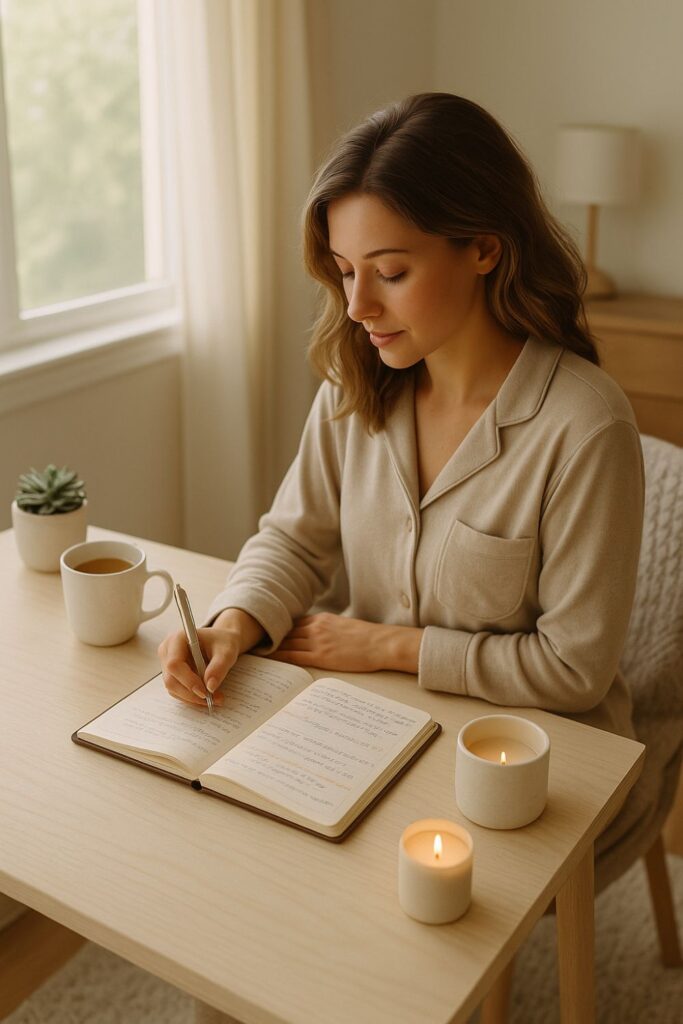
- Begin each morning with grounding rituals: journaling one page, making your bed, sipping tea, or reviewing your top three priorities.
- Evenings can become a self-care sanctuary too: skincare routines, reading instead of scrolling, or writing down three wins from your day. These rituals mark clear beginnings and endings, which is deeply calming for a Planner.
Nurturing Checklists
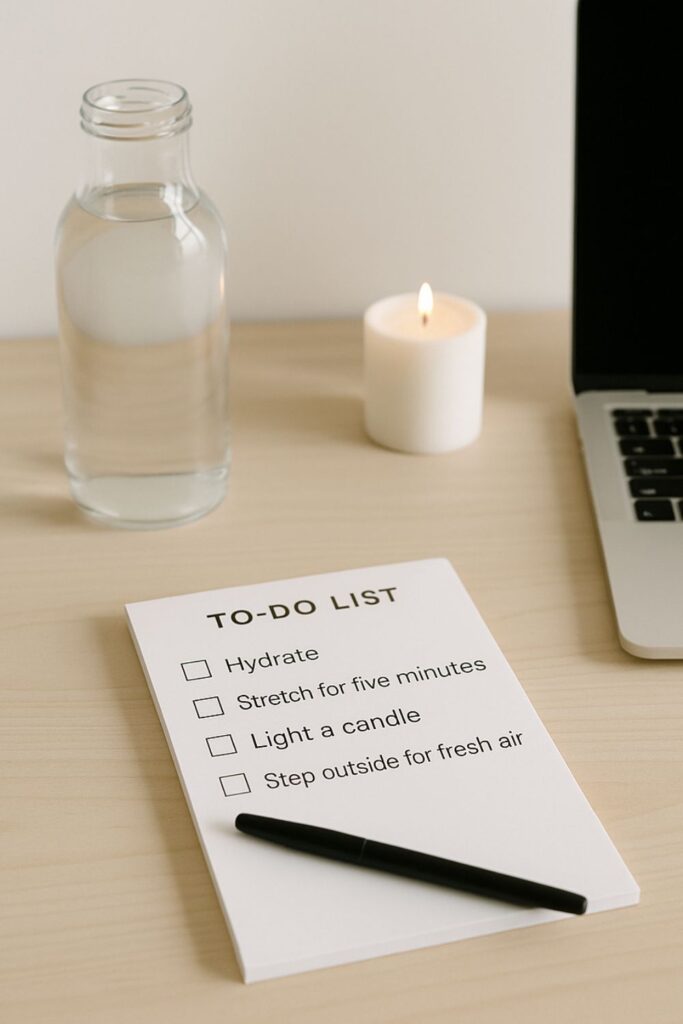
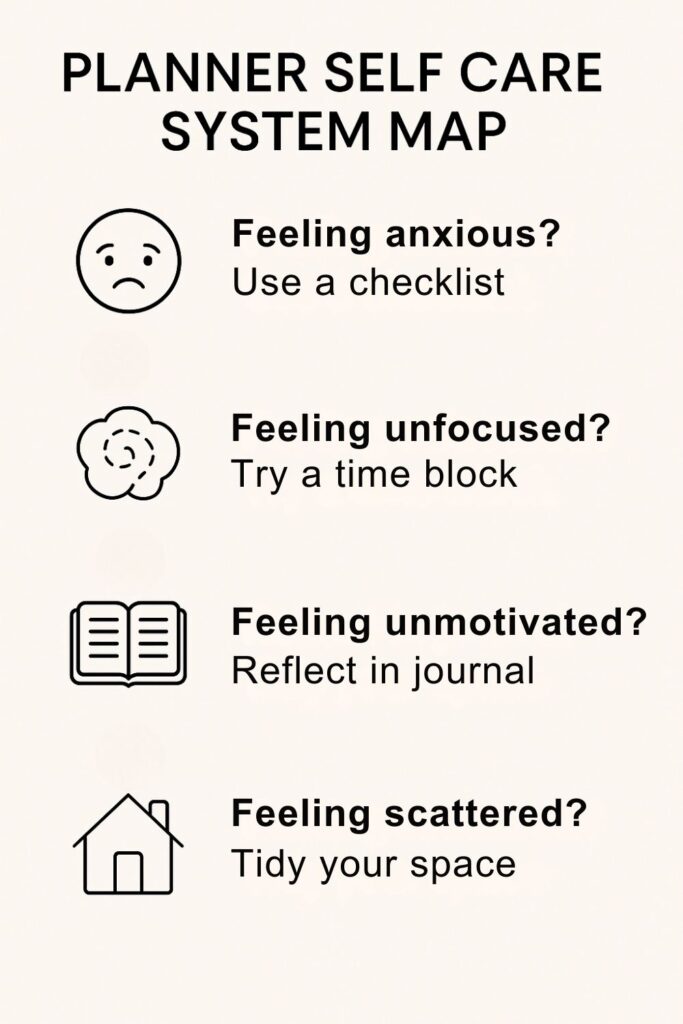
- To-do lists are second nature for you, but too often they’re filled with only work or chores. Add self-care to your list: hydrate, stretch for five minutes, light a candle, or step outside for fresh air. Checking them off is not indulgence—it’s proof you’ve cared for yourself.
Planning as Reflection
If you want to get more from your life, and are looking for concrete action steps to get you there, check out our Request a Coach page. It’s a “cut the fence-sitting and take action” way to tackle your issues and actually find success. To get off the fence and start to take action, click or tap here.
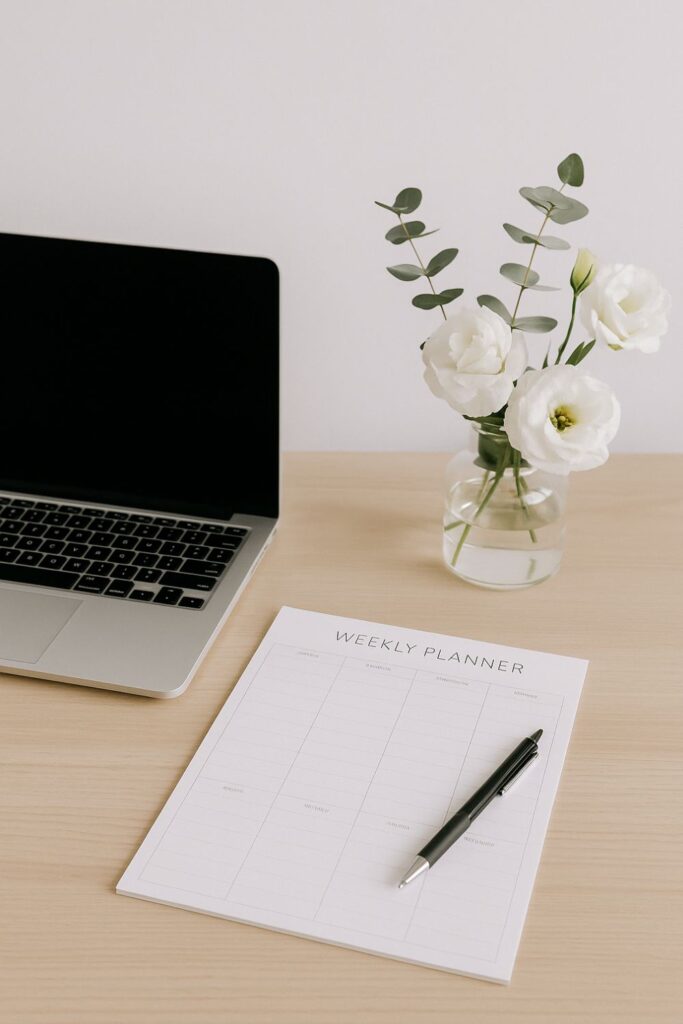
- Beyond tasks, your journal or planner can hold emotional notes: mood trackers, gratitude lists, or sleep logs. When you see your inner life recorded alongside your outer responsibilities, you begin to understand your patterns and care for yourself in advance, not just in crisis.
Organized Environments

- A clutter-free environment is a gift to your nervous system. Prepping meals for the week, laying out tomorrow’s clothes, or keeping your desk clear are not chores—they are acts of kindness to your future self.
Items & Tools That Support Planners

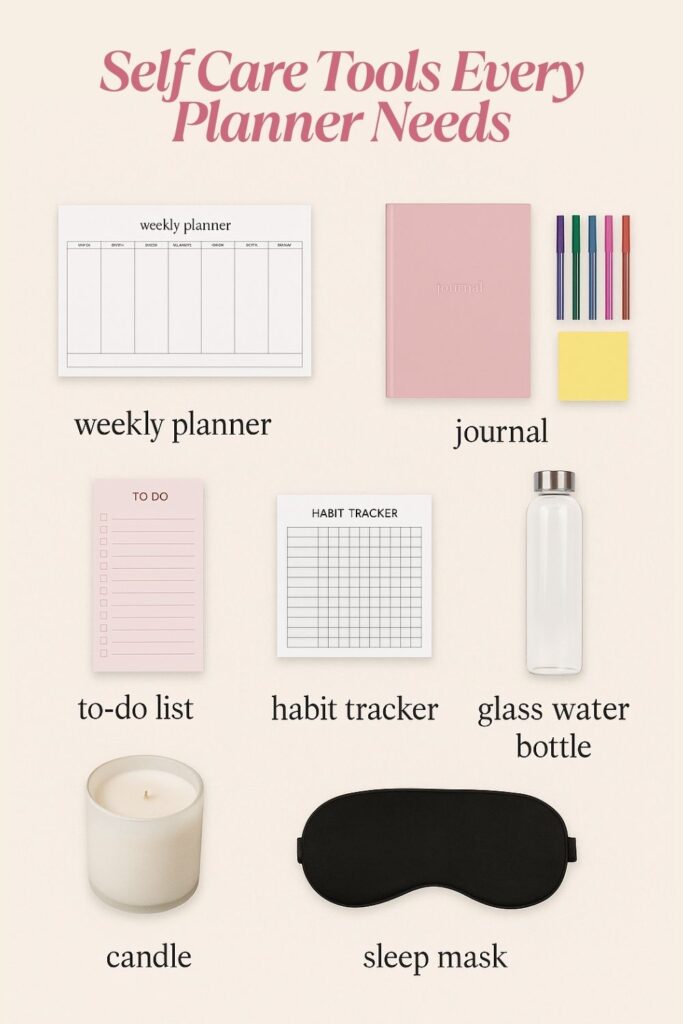
- Journals & Bullet Journals for task lists, reflections, and gratitude
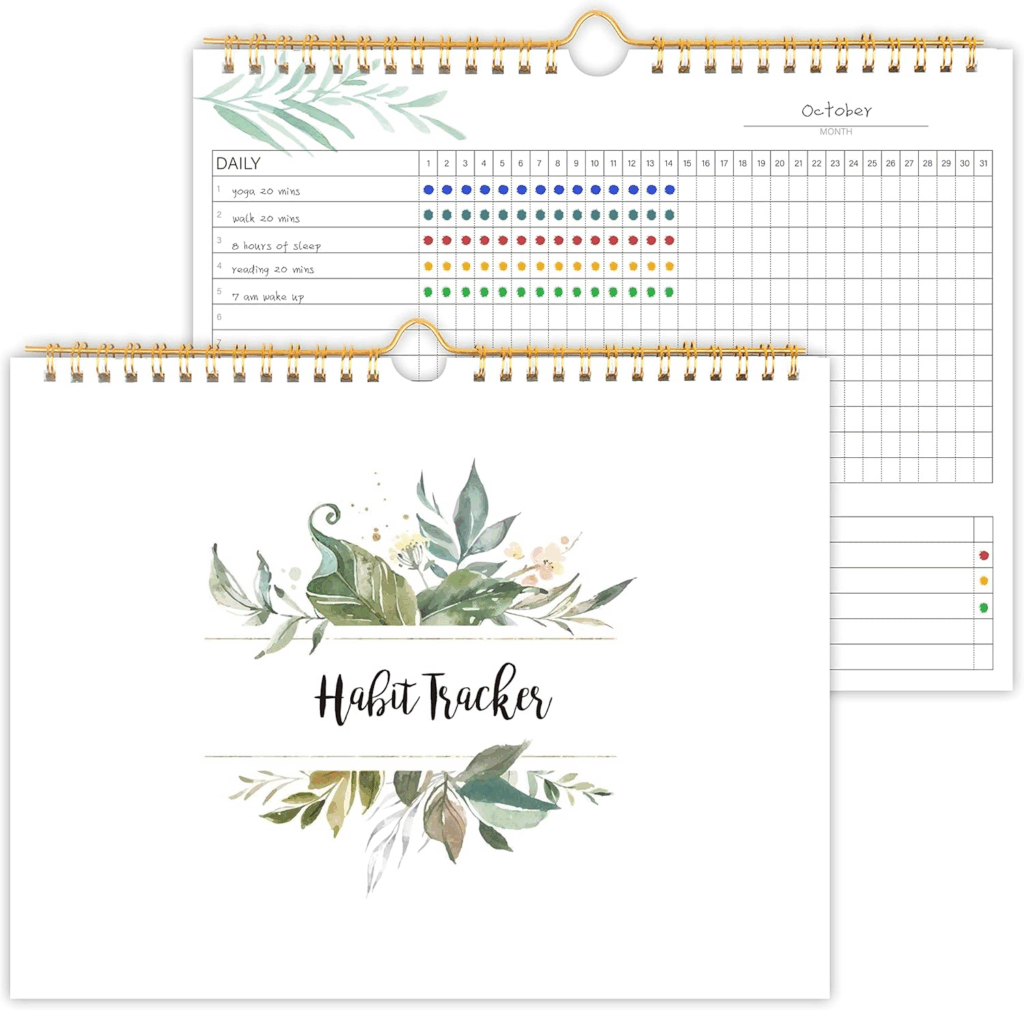
- Habit Trackers & Printable Planners to see progress visually
- Color-Coded Pens & Sticky Notes to categorize priorities
- To-Do List Pads for daily essentials
- Digital Calendar Apps with reminders and alerts
- Meal Prep Containers for stress-free eating
- Glass Water Bottles as hydration prompts
- Desk Organizers & Drawer Systems to reduce daily friction
Each of these tools works because they transform abstract responsibility into something you can see, touch, and track. That tangibility is what calms a Planner’s busy mind.
Watch Out for Perfectionism
The greatest challenge for Planners is rigidity. When life doesn’t follow your outline—when a client cancels, the kids get sick, or the day falls apart—you can feel as though you’ve failed. The truth is, the plan exists to serve you, not the other way around. Structure should feel like support, not a prison.
Self-care for Planners means practicing flexibility. Build systems that can bend without breaking. If journaling slips one day, simply return tomorrow. If dinner isn’t prepped, allow yourself to order takeout guilt-free. The routine is a safety net, not a set of chains.
The Heart of Planner Self-Care
For you, structure is not about control—it’s about peace. It allows you to move through your days with clarity instead of chaos. When you see self-care not as another item to fit into your planner but as the very framework that holds you steady, everything shifts.
Your structure becomes a sanctuary. And that, for a Planner, is the truest kind of self-care.
Explore These Tools to Build Your Own Peaceful Daily Routine
Some of the links may be affiliate links. If you buy something, we might earn a small commission (at no extra cost to you). Thanks for helping support our site 💜
1. PAPERAGE Dotted Journal Bullet Notebook
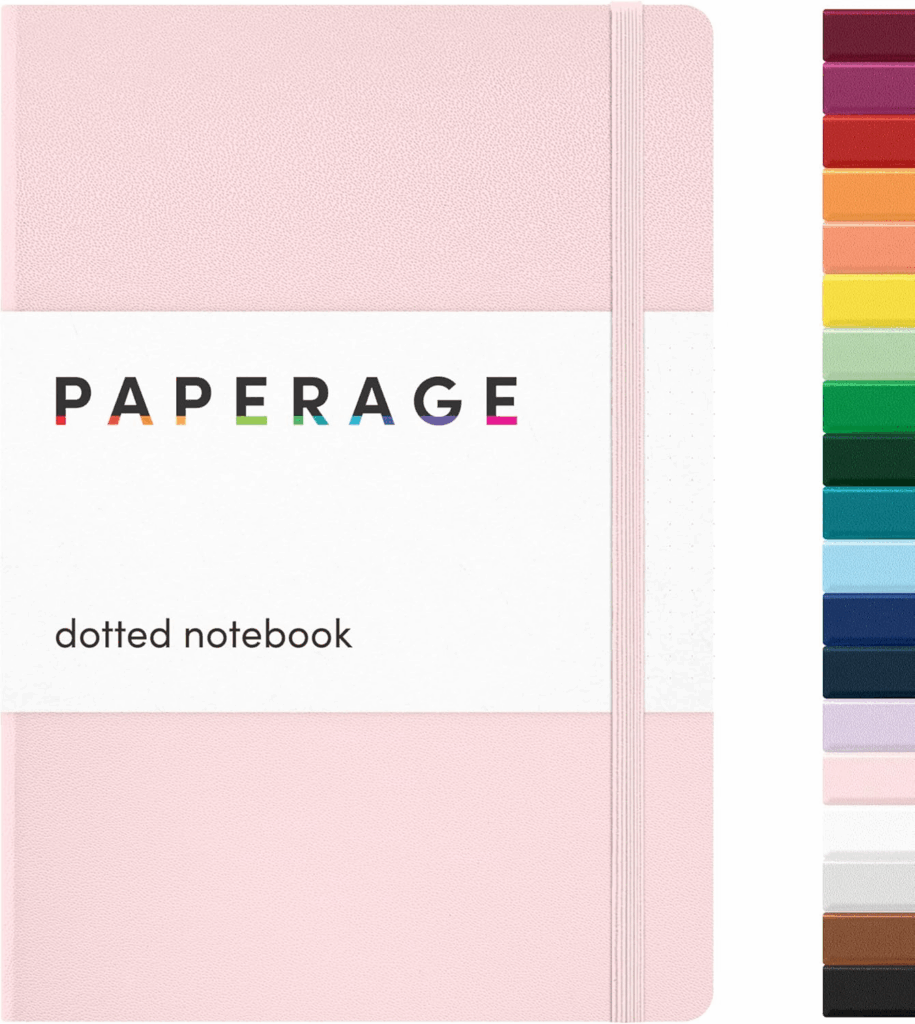
We’ve tried several dotted notebooks for bullet journaling, and the PAPERAGE stands out as a solid, reliable option. It feels high-quality without being overly expensive and has a simple, sleek aesthetic that works well for both planning and creativity.
If you want to get more from your life, and are looking for concrete action steps to get you there, check out our Request a Coach page. It’s a “cut the fence-sitting and take action” way to tackle your issues and actually find success. To get off the fence and start to take action, click or tap here.
Why we love it:
- Thick, bleed-resistant paper. Works well with most pens and markers.
- Lay-flat design. Makes writing across pages smooth and comfortable.
- Durable cover. Holds up well in backpacks or daily use.
Minor downsides:
- No page numbers. Would be helpful for indexing.
- Limited color range. Some more neutral options would be great.
This notebook is a great middle ground between basic and premium. We’ve reordered it multiple times and will continue to do so.
2. Lamare Daily Planner Pad – To Do List Notepad
This daily planner pad from Lamare helps us stay organized without getting overwhelmed. The layout is clean, the design is pretty without being fussy, and it makes checking off tasks feel genuinely satisfying.
Why we love it:
- Great layout. Priorities, to-do’s, and schedule blocks are well separated.
- Visual appeal. The soft greenery theme looks great on a desk.
- Tear-off pages. Keeps things fresh each day.
Minor downsides:
- No hard backing. Needs to be used on a surface for writing.
- Not reusable. Goes quickly if you use it every day.
We’d recommend this to anyone who enjoys a daily reset and likes visual structure without overcomplicating the process.
If you want to get more from your life, and are looking for concrete action steps to get you there, check out our Request a Coach page. It’s a “cut the fence-sitting and take action” way to tackle your issues and actually find success. To get off the fence and start to take action, click or tap here.
3. Global Printed Products Essential Calendar 2025–2026

We needed a straightforward, no-fuss calendar to keep track of two busy years, and this one delivers. It’s clear, uncluttered, and gives us a bird’s-eye view of long-term plans without needing an app or a digital tool.
Why we love it:
- Two full years. Covers 2025–2026 with plenty of writing space.
- Clear monthly layout. Easy to glance at and update.
- Good size. Not too bulky, but enough room to write.
Minor downsides:
- Thin paper. Marker ink can show through a little.
- Basic design. Not decorative, if that matters to you.
If you’re looking for a practical long-term calendar, this one is efficient and gets the job done without distractions.
4. Bliss Collections To Do List Notepad

This to-do notepad keeps our days on track in the simplest, most functional way. It’s exactly what we need when we don’t want to overthink productivity but still want to stay focused.
Why we love it:
If you want to get more from your life, and are looking for concrete action steps to get you there, check out our Request a Coach page. It’s a “cut the fence-sitting and take action” way to tackle your issues and actually find success. To get off the fence and start to take action, click or tap here.
- Minimalist layout. Keeps the focus on tasks without extra clutter.
- Portable size. Easy to toss in a bag or keep on a desk.
- Thick paper. Handles pen ink well.
Minor downsides:
- Limited sections. No time blocks or goal space.
- Pads go fast. We wish it came in a multi-pack.
It’s ideal for short-term lists, reminders, and small daily planning. We’ve used several and always keep one handy.
If you want to get more from your life, and are looking for concrete action steps to get you there, check out our Request a Coach page. It’s a “cut the fence-sitting and take action” way to tackle your issues and actually find success. To get off the fence and start to take action, click or tap here.
Read this next

Make Your Negative Thoughts Disappear (POOF!)
I have struggled with negative thoughts my whole life–even when I was feeling happy, ping! Another one would pop into my head. I finally discovered a way of staving off these […]
Read More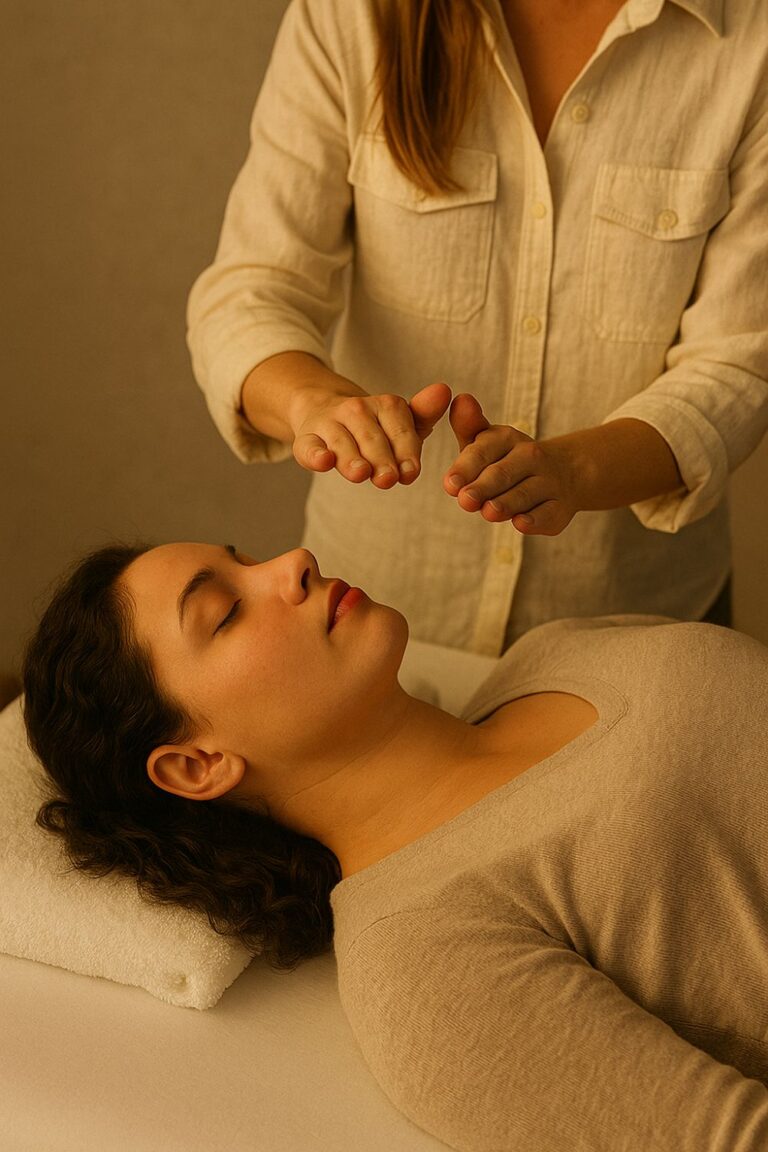
Reiki for the Grounded Achiever: The Energy Healing Practice for Women Who Never Stop Moving
You’ve got goals. A business to run. Maybe a household too. You’re the one others depend on—organized, focused, high-capacity. You keep everything on track, but lately? Something feels off. You […]
Read More
Life is What You Make It, So Make It Good
What are you going to do to make your life good today? If you want to get more from your life, and are looking for concrete action steps to get you there, […]
Read More