


Talk to a coach about Organizational coaching

Dr Soraya Sawicki, DSW, CPC, RMT
DSW, CPC, CSC, RMT
Personalized wellness coaching for stress relief, energy, and inner harmony.

Robert Bradley Singleton
Certified Master Spiritual Life Coach, Neuropsychologist, and Existential Therapist
Train with the best to be the best you! Don't...

Lisa Rogers
Certified Professional Coach | 500-Hour Yoga Teacher | Meditation Instructor | Trauma-Informed, IFS-, CBT-, DBT-, and Polyvagal-Informed Coach | High-Conflict Mediation Trained | HSP Specialist
Healing mind, body & spirit through coaching, meditation, and nervous...

Daniel Herron
CPLC
You know what it's like to avoid, to push away....

Diana Davis-Nanasi
ICF Certified Coach, helping clients overcome self-doubt, low confidence, stress managment
I understand life can become overwhelming; I am excited to...

Matthew Walley
Frame of Mind Coaching Certified
Mindset Coach helping people gain awareness around their thinking and...

Robert B Singleton, MCMA, MSc.
MSc. Metaphysical Sciences; B. Div., Divinity: Mindfulness and Positive Psychology fanatic
Positive Psychology and Mindfulness Specialties; NeuroScience and Trauma-informed

Maiysha Clairborne
MD, Master NLP Coach & Hypnotist



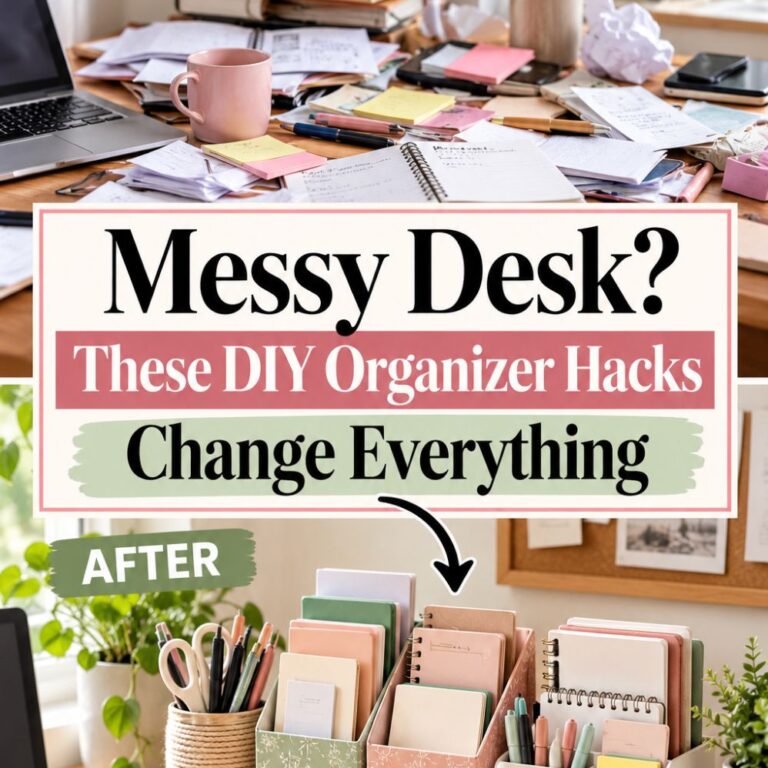

Weekend Declutters Don’t Work—Here’s the DIY Trap That Leaves You More Overwhelmed

You’ve finally cleared your schedule. Saturday rolls around, and you declare: “Today I’m decluttering everything.” You crank up your playlist, grab your coffee, and dive into the chaos.
Six hours later? You’re surrounded by piles, your back hurts, you’ve skipped lunch, and your living room looks worse than when you started. You shove things into bins just to feel done. And by Monday, it’s like you never touched a thing.
Sound familiar? Welcome to the Weekend Declutter Trap—the DIY productivity high that often ends in frustration, exhaustion, and regret.
Weekend makeovers feel satisfying… until they don’t stick. In our official roundup we break down why organizing marathons lead to burnout, and how small, steady systems win every time. And now, we explain why slow, steady changes are more powerful than one-time purges.
Want more home tricks like this? Get our free Clutter Reset Guide, plus Home Hacks Daily in your inbox. Get the free guide
Weekend Declutter Trap

Weekend blitzes sound like a productivity win—until you find yourself:
- Clearing counters just to shove everything into the nearest drawer
- Creating “keep” piles that mysteriously migrate back into chaos
- Starting five organizing projects but finishing none
- Spending Sunday night wondering why your space still feels stressful
If that’s your version of “getting it together,” you’re not lazy—you’re stuck in a loop that keeps resetting your mess, not solving it.
The Real Problem: Massive Decluttering Leaves You Overwhelmed

Massive decluttering days seem productive—but they usually backfire. Here’s why they often leave you more overwhelmed than when you started:
- They rely on adrenaline, not systems. You’re forcing yourself into overdrive and hoping for a transformation. But when the energy dips, the chaos stays.
- You’re decision-fatigued. Making hundreds of micro-judgments—“keep, toss, donate, relocate”—is mentally exhausting.
- You skip the setup and follow-through. There’s no plan for where things will go, or how the new system will stay organized.
- You confuse motion with progress. Piling everything on the floor feels active—but it doesn’t guarantee lasting results.

These marathons are often a symptom of deeper overwhelm. They promise a fresh start but deliver a bigger mess—and zero motivation to finish it later.
The Fix: Small Wins, Real Systems

Instead of trying to fix everything in one go, break it down. Focus on micro-zones—a single drawer, a shelf, a 15-minute tidy.
Here’s how to build a rhythm that actually lasts:
- Pick one small space you use daily (nightstand, entryway shelf, makeup drawer).
- Set a timer for 15–20 minutes. This creates urgency but keeps it light.
- Declutter first, then organize. Don’t rearrange clutter—remove it.
- Think about habits. Ask: Where do I naturally put this? What’s the easiest way to return it?
- Create maintenance cues. Attach it to an existing habit—like wiping your counters at night or resetting your desk on Fridays.
This approach doesn’t feel like a massive transformation—and that’s the point. Small, consistent wins lead to lasting change.
SEE ALSO: If clutter keeps creeping back no matter how often you tidy, grab our free Clutter Reset Guide. It's a quick-start plan to get organized without feeling overwhelmed, with simple steps you can start today. Ready to find your keys in the morning? Click or tap here.
It’s Not Too Late

Burned out from a marathon declutter? You can still recover. Instead:
- Break remaining areas into 10-minute “micro-zones”
- Schedule one reset per day (just one!)
- Store overflow in a “revisit later” bin—out of sight, not forgotten
- Focus on maintenance, not makeovers
You don’t need another full overhaul—you just need rhythm and rest.
Want help building a declutter rhythm that actually sticks? Check out our phased organizing guide here.
Read this next
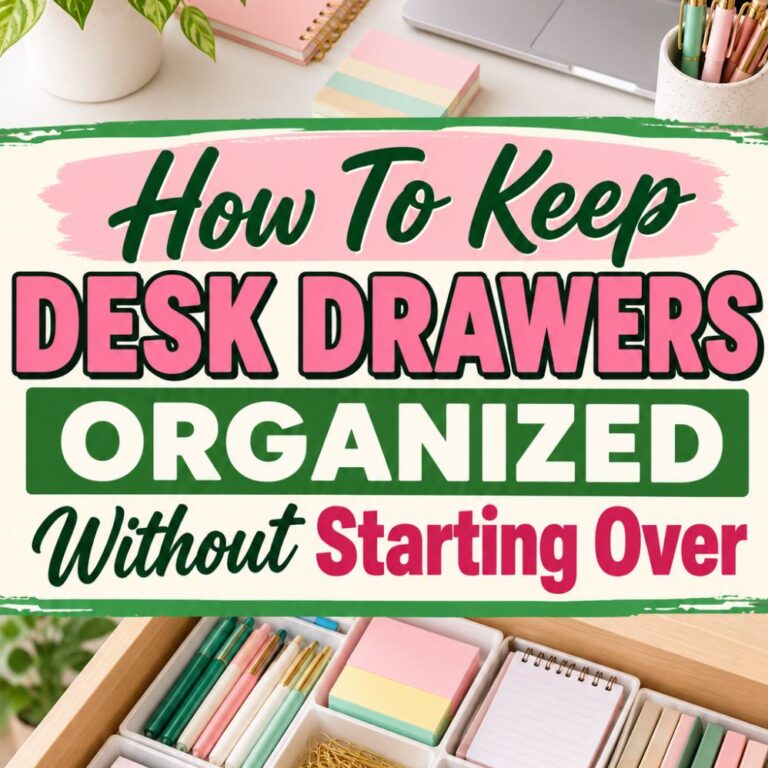
Desk Drawer Organization Ideas for Pens, Paper, and Everyday Supplies
Tame the hidden mess inside your desk drawers with dividers, small containers, labels, and simple supply zones. You know that annoying moment when you open your desk drawer for one […]
Read More
10 Christmas Table Decoration & Centerpiece Ideas Designers Swear By (Super Simple Settings to Copy)
Are you all about style, decor and organization? Download a copy of our Decluttering Workbook. **** Most people think Christmas table décor requires elaborate centerpieces, matching dish sets, and hours […]
Read More
9 Stunning Thanksgiving Tablescapes You’ll Want to Copy
From vintage charm to moody candlelight, discover 9 stunning Thanksgiving tablescapes packed with easy ideas you’ll want to copy this year.
Read More