






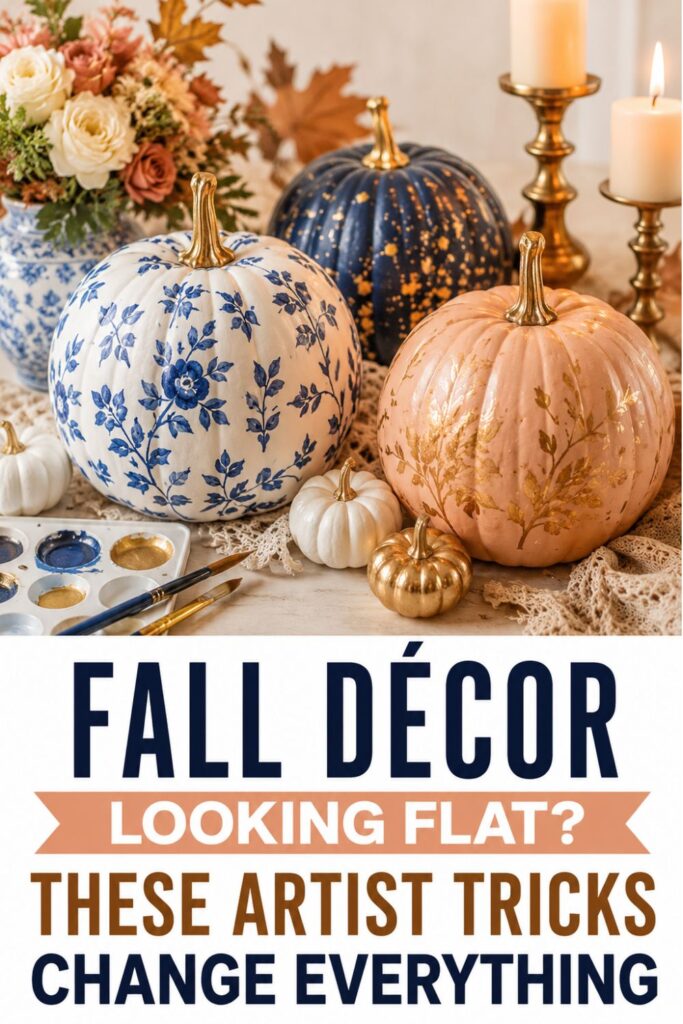
The Secret Techniques Professional Artists Use on Painted Pumpkins
Are you all about style, decor and organization? Download a copy of our Decluttering Workbook.
****
Carving pumpkins might be the tradition, but painted pumpkins have taken over as the new star of fall décor. From elegant metallics to playful ombrés, painted pumpkins are versatile, stylish, and long-lasting. But if you’ve ever tried it yourself, you know the results don’t always match the Pinterest-worthy images.
Need some help with style or organization? Drop on by our directories choc full of image coaches, organization coaches and minimalist coaches to help make your spaces beautiful. Or click here to have us match you to the best.
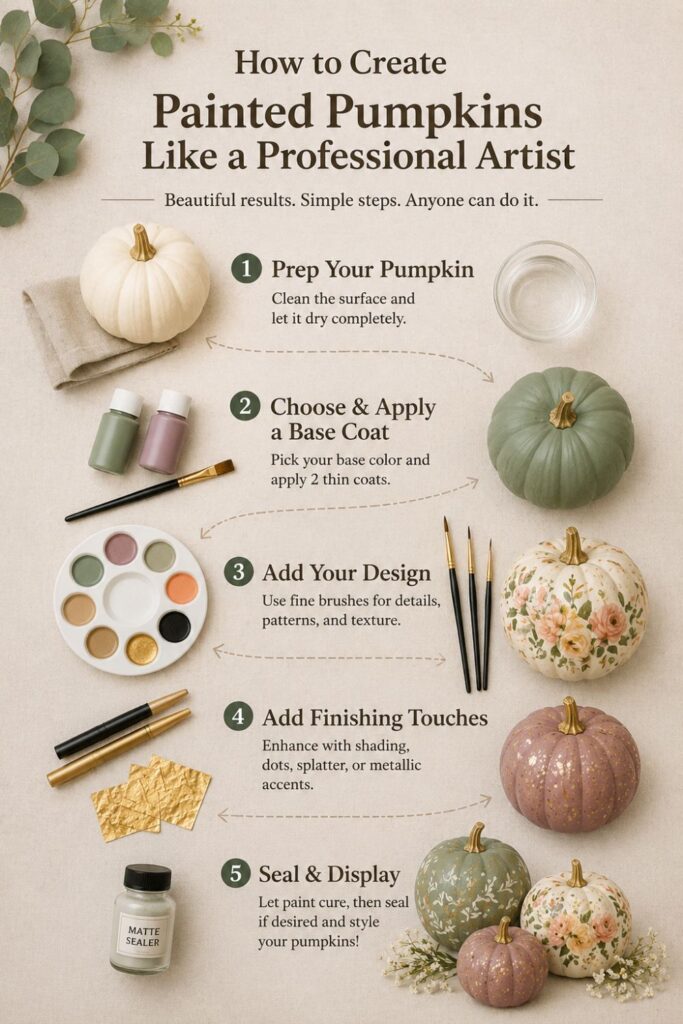
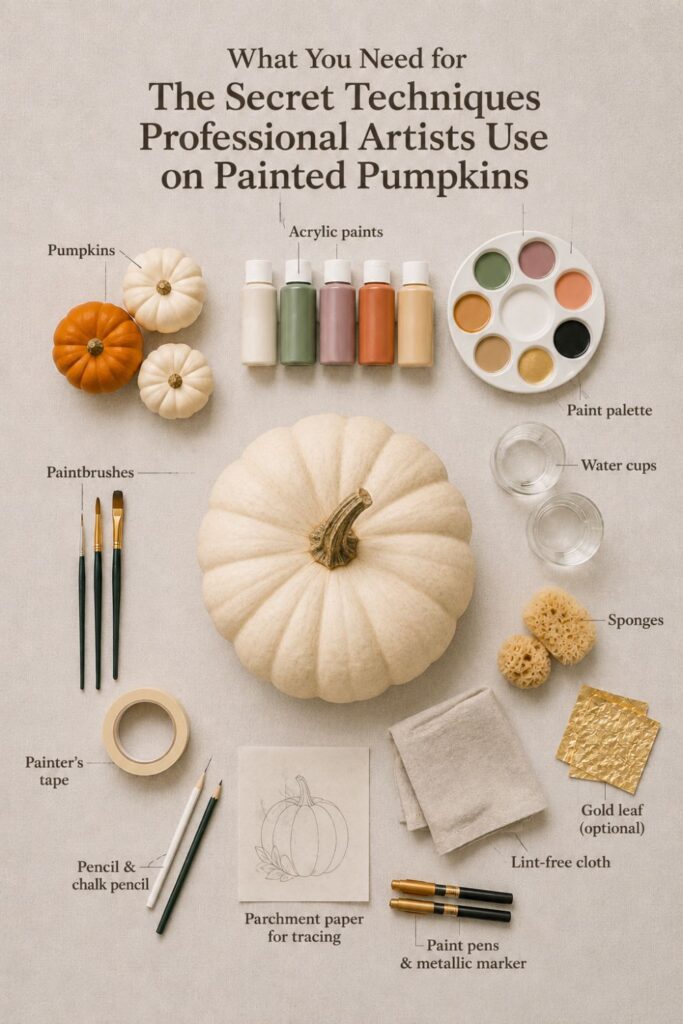
The difference? Professional artists use specific techniques that elevate their pumpkins from simple DIY to statement décor. The good news: these tricks aren’t complicated, just intentional. With the right methods and a little patience, you can create pumpkins that look polished, artistic, and ready for display. Here are ten techniques professionals rely on to make their painted pumpkins unforgettable.
1. Layered Base Coats for Depth
The first mistake most people make is using one thick coat of paint. It seems faster, but it almost always leads to streaks, uneven color, or peeling. Professionals use thin, layered coats instead. Two to four passes, with drying time in between, create richer coverage and a smoother surface.

Many artists add an undertone—gold, beige, or even metallic—before layering the main color. This creates a subtle glow that shines through the top layers. To keep surfaces flawless, pros lightly sand between coats with fine-grit sponges.

Real pumpkins need extra prep because their skin is oily. A coat of primer or matte Mod Podge helps paint adhere evenly and last longer. Foam rollers or high-quality brushes also make a big difference, reducing brush marks.
If you want to get more from your life, and are looking for concrete action steps to get you there, check out our Request a Coach page. It’s a “cut the fence-sitting and take action” way to tackle your issues and actually find success. To get off the fence and start to take action, click or tap here.
Think of layered coats as the foundation of your design. Without them, patterns and textures will look messy. With them, even the simplest design feels intentional and professional.
2. Stenciling & Masking for Crisp Patterns
Freehand designs are charming, but they rarely deliver the sharp precision that makes a pumpkin look professional. That’s where stenciling and masking come in. Professionals use painter’s tape, vinyl cutouts, or adhesive stencils to create crisp shapes and patterns.
The trick is in sealing. Before applying the second color, many artists brush the stencil edges with the base color first. This creates a barrier that prevents bleeding underneath. When the stencil is removed, the result is a razor-sharp line.

Design options are endless: stripes, polka dots, lace patterns, or even lettering. Everyday items like mesh fabric or doilies can double as stencils for unique effects. The key is to peel off stencils while the paint is still tacky—waiting too long risks cracking.
By layering multiple stencils or masking sections in stages, artists create complex multi-color designs. What looks impossibly precise is often just smart preparation. This technique is the secret behind many of the polished pumpkins you see in styled shoots.
3. Gradient & Ombre Blending
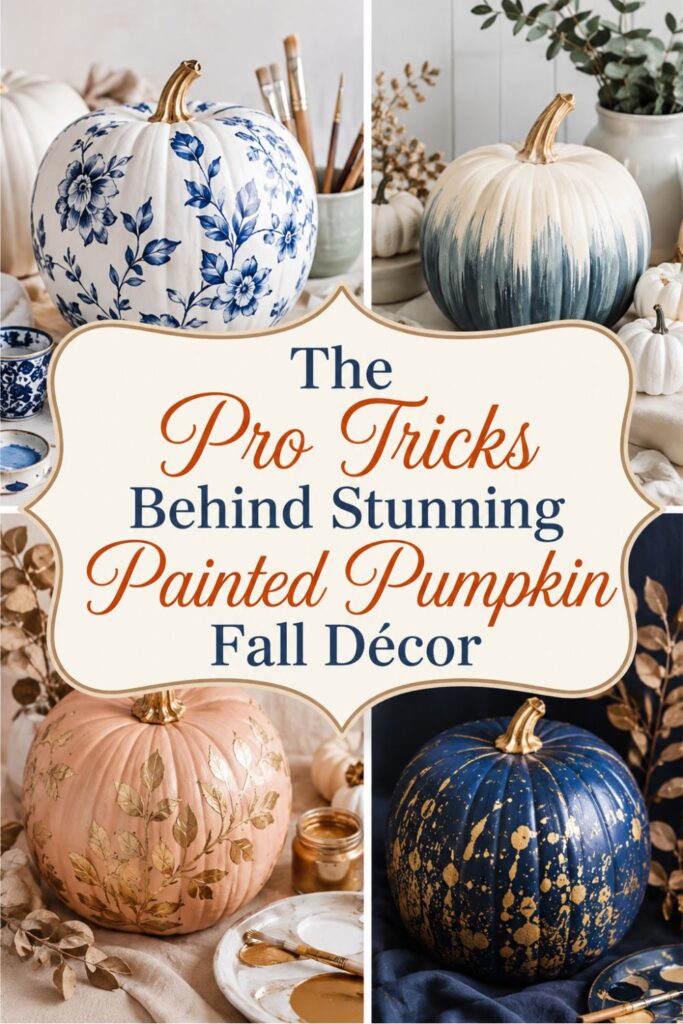
Ombre pumpkins are instantly eye-catching, and the secret is careful blending. Professionals usually start with a light base, then gradually introduce darker shades from the bottom up. Using sponges or soft brushes, they feather the paint where colors meet, blending while still wet.

Airbrushing is another tool for flawless gradients. It creates velvety, seamless transitions without visible brush strokes, perfect for galaxy or sunset-inspired pumpkins.
Color choices matter. Warm-to-cool blends—like peach into coral or teal into navy—feel bold and modern. Metallic ombrés, like copper fading into gold, add a luxe finish. For drama, some artists layer three or more shades, creating depth that feels almost three-dimensional.
If you want to get more from your life, and are looking for concrete action steps to get you there, check out our Request a Coach page. It’s a “cut the fence-sitting and take action” way to tackle your issues and actually find success. To get off the fence and start to take action, click or tap here.
The beauty of ombre pumpkins is their versatility. They can stand alone as minimalist décor or serve as a backdrop for stencils and detailing. Either way, this technique instantly elevates your pumpkin from simple to professional.
4. Dry Brushing & Sponging for Texture
Flat, single-color pumpkins often feel unfinished. Professionals add dimension with texture. Dry brushing involves using a stiff brush with almost no paint, dragging it lightly across the ridges to highlight them. This creates a weathered, brushed effect—especially striking with metallic paints.

Sponging gives a softer texture. By dabbing multiple complementary colors, artists create mottled, layered effects. This can mimic stone, marble, or even a dreamy galaxy look. For example, sponging navy, purple, and white together produces a cosmic backdrop perfect for Halloween.
These techniques are subtle but powerful. They make surfaces feel alive and dimensional instead of flat. Used as backgrounds, they add interest to stenciled or detailed designs. Used alone, they create pumpkins that look like sculpted art pieces.
Texture is the secret to pumpkins that draw the eye and look “designed” rather than “painted.”
5. Metallics, Glazes & Iridescent Finishes
Light changes everything, and professionals know how to make pumpkins glow with specialty paints. Metallics like gold, copper, and silver pop most when layered over dark bases. A gold pumpkin over black, for example, feels instantly luxe.
Glazes add depth by layering translucent washes over metallics. Bronze with a black glaze can mimic antique patina, while silver with blue glaze feels icy and modern.

Iridescent finishes are another artist favorite. These paints shift between two colors depending on the angle—pink to gold, teal to purple—creating a magical effect. Combined with metallics, they add multidimensional shimmer.
If you want to get more from your life, and are looking for concrete action steps to get you there, check out our Request a Coach page. It’s a “cut the fence-sitting and take action” way to tackle your issues and actually find success. To get off the fence and start to take action, click or tap here.
The secret is restraint. A few metallic highlights or glazed ridges often look more sophisticated than covering the whole pumpkin. By balancing shine with matte areas, professionals create designs that sparkle without overwhelming the eye.
6. Fine Detail Work with Paint Pens
When you see pumpkins covered in lace-like patterns or delicate lettering, chances are they were made with paint pens. Brushes are versatile, but pens give far greater control for fine lines.

Artists use them to draw florals, mandalas, or script phrases with precision. White ink on black looks crisp, while metallic pens on deep hues like navy or emerald feel luxurious. Pens are also perfect for adding highlights or correcting small imperfections.
Many pros layer pens over other techniques—like adding gold detailing to an ombre base or outlining stenciled designs. The combination makes pumpkins look intricate without requiring hours of brushwork.
Detail work is what separates a casual craft from a professional piece. Even simple doodles can look intentional when executed cleanly with paint pens.
7. Splatter & Drip Effects
For bold, modern pumpkins, splatter and drip effects are go-to techniques. Splatter painting is done by flicking paint with a brush or toothbrush across the surface. Metallic splatters over matte black look edgy, while neon over white feels playful.
Drip effects are created by thinning paint slightly and letting it run down the ridges. Metallic gold drips resemble molten metal, while glossy black can mimic candle wax.

Though these styles look spontaneous, pros plan them carefully. They often mask areas to control splatter placement and tilt pumpkins strategically for balanced drips.
If you want to get more from your life, and are looking for concrete action steps to get you there, check out our Request a Coach page. It’s a “cut the fence-sitting and take action” way to tackle your issues and actually find success. To get off the fence and start to take action, click or tap here.
These effects add movement and energy, making pumpkins stand out in a lineup. They’re especially striking paired with more polished techniques like gradients or metallics.
8. Mixed Media Embellishments
Paint is only the beginning. Professional artists often elevate pumpkins with mixed media. Gold leaf is a favorite—it adds instant drama and luxury when applied to ridges or edges. Gems, sequins, and pearls bring sparkle, while lace or velvet ribbons add soft elegance.

The secret is integration. Embellishments should enhance the design, not distract from it. A navy pumpkin with gold stenciling, for example, looks even richer with touches of gold leaf. Clear adhesives keep details neat, and a sealing spray ensures they last.
Mixed media pumpkins blur the line between décor and art. They’re perfect as centerpieces or display pieces, transforming seasonal decorating into something unforgettable.
9. Matte vs. Gloss Contrast
Sometimes the biggest impact comes from finishes, not colors. Professionals often combine matte and gloss to play with light. A matte black pumpkin with glossy black stenciled designs looks sleek and reveals its pattern only in certain angles of light.

Glossy highlights can draw the eye to details, while matte areas ground the design. Even monochromatic pumpkins gain depth when finishes are mixed.
This technique is simple but highly effective, making pumpkins feel sophisticated without requiring complex designs. It’s one of the easiest ways to achieve a professional look at home.
10. Sealing & Protecting for Lasting Results
No matter how beautiful the design, it won’t last without protection. Professionals always finish with sealant. Clear spray, matte varnish, or polyurethane coatings protect paint from chipping, fading, or smudging.
If you want to get more from your life, and are looking for concrete action steps to get you there, check out our Request a Coach page. It’s a “cut the fence-sitting and take action” way to tackle your issues and actually find success. To get off the fence and start to take action, click or tap here.

Matte sealants keep a soft finish, while glossy ones enhance shine and color. Most artists apply two or three light coats, letting each dry thoroughly. For outdoor pumpkins, sealing is essential to withstand moisture and weather.
Sealing also enhances artistry—metallics shine brighter, gradients look richer, and embellishments stay secure. With this step, pumpkins remain vibrant for weeks, making all the effort worthwhile.
Are you all about style, decor and organization? Download a copy of our Decluttering Workbook.
Need some help with style or organization? Drop on by our directories choc full of image coaches, organization coaches and minimalist coaches to help make your spaces beautiful. Or click here to have us match you to the best.

Painted pumpkins are more than a quick seasonal project—they’re canvases waiting for artistry. With professional techniques like layering, ombre blending, metallics, and embellishments, your pumpkins can rival the ones you see in styled shoots. Each step adds polish and depth, helping you create décor that feels intentional and unique.
Want more festive inspiration? Explore these seasonal ideas:
- 🎃 How to Craft the Perfect Boo Basket that Matches His Unique Hobbies
- 🎮 Creative Boo Basket Ideas for Gamers That Go Beyond Candy
- 🏋️ Spooky Basket for Men Who Love the Gym: What to Include
- ☕ The Coffee Lover’s Boo Basket: Cozy Ideas He’ll Crave
- 🌲 Halloween Boo Basket Ideas That Every Outdoorsy Guy Will Use
- 🎵 Creative Spooky Basket Ideas for Men Who Live for Music
- 📚 The Bookworm’s Boo Basket: Cozy Halloween Ideas He’ll Love
- 🍔 Spooky Basket Ideas for the Boyfriend Who Loves to Eat
If you want to get more from your life, and are looking for concrete action steps to get you there, check out our Request a Coach page. It’s a “cut the fence-sitting and take action” way to tackle your issues and actually find success. To get off the fence and start to take action, click or tap here.
Read this next
A Practical Way to Use Vision Boards for Manifestation
Use your vision board in a smarter, more practical way so manifestation feels clearer, calmer, and easier to follow every day.
Read More
Budget-Friendly DIY Organization Hacks: How to Save Big with Clever Tricks
We all dream of a Pinterest-worthy home where every item has its place, but getting organized can often feel expensive. Between custom storage bins, acrylic drawer systems, and built-in shelving, […]
Read More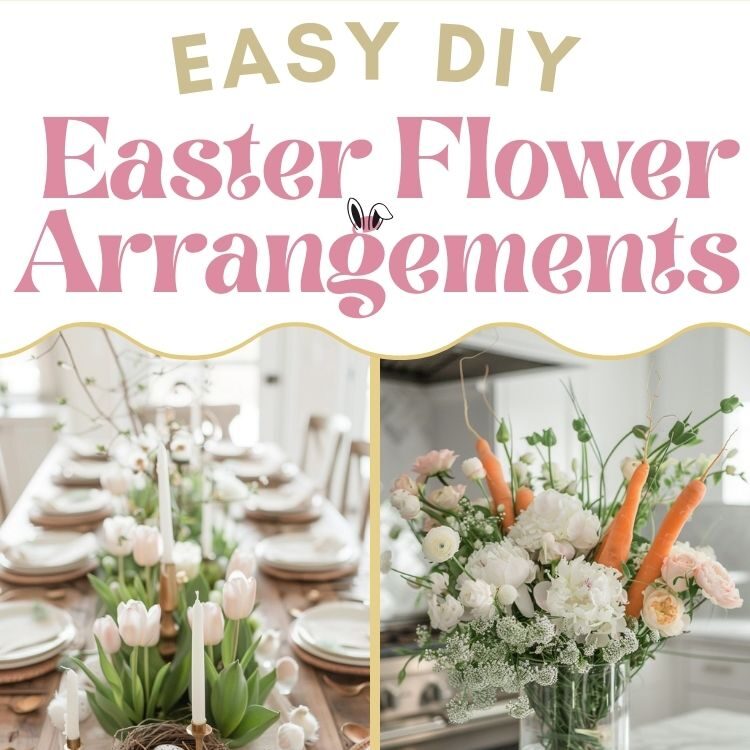
Easter Flower Arrangements That Feel Luxe Without The Florist Price Tag
Create luxe-looking Easter flower arrangements with grocery store blooms, simple vases, and easy tricks that make your table feel fresh fast.
Read More