


Talk to a coach about Wellness coaching

Dr Soraya Sawicki, DSW, CPC, RMT
DSW, CPC, CSC, RMT
Personalized wellness coaching for stress relief, energy, and inner harmony.

Robert Bradley Singleton
Certified Master Spiritual Life Coach, Neuropsychologist, and Existential Therapist
Train with the best to be the best you! Don't...

Lisa Rogers
Certified Professional Coach | 500-Hour Yoga Teacher | Meditation Instructor | Trauma-Informed, IFS-, CBT-, DBT-, and Polyvagal-Informed Coach | High-Conflict Mediation Trained | HSP Specialist
Healing mind, body & spirit through coaching, meditation, and nervous...

Tobias Kemper
Transformation Guide - LCI/CDP
Personal Transformation / Life Balance / Spiritual Growth / Life...

Daniel Herron
CPLC
You know what it's like to avoid, to push away....

Diana Davis-Nanasi
ICF Certified Coach, helping clients overcome self-doubt, low confidence, stress managment
I understand life can become overwhelming; I am excited to...

Matthew Walley
Frame of Mind Coaching Certified
Mindset Coach helping people gain awareness around their thinking and...

Robert B Singleton, MCMA, MSc.
MSc. Metaphysical Sciences; B. Div., Divinity: Mindfulness and Positive Psychology fanatic
Positive Psychology and Mindfulness Specialties; NeuroScience and Trauma-informed




The 3-Page Self Care Bullet Journal Setup That Keeps You Consistent

Most self care bullet journals fail because they try to track everything.
In our morning systems overview, we introduced pattern tracking as a key to consistency, and now we’re exploring the exact 3-page bullet journal setup that helps you track mood, energy, and weekly resets without pressure.
Consistency doesn’t come from more pages — it comes from tracking the right things. This 3-page setup focuses only on mood, energy, and weekly reset planning so your journal supports you instead of overwhelming you.
Need some in depth self care and wellness guidance? Drop on by our directories choc full of wellness coaches, health coaches, fitness coaches, stress management coaches, and energy coaches to get your calm on. Or click here to have us match you to the best.
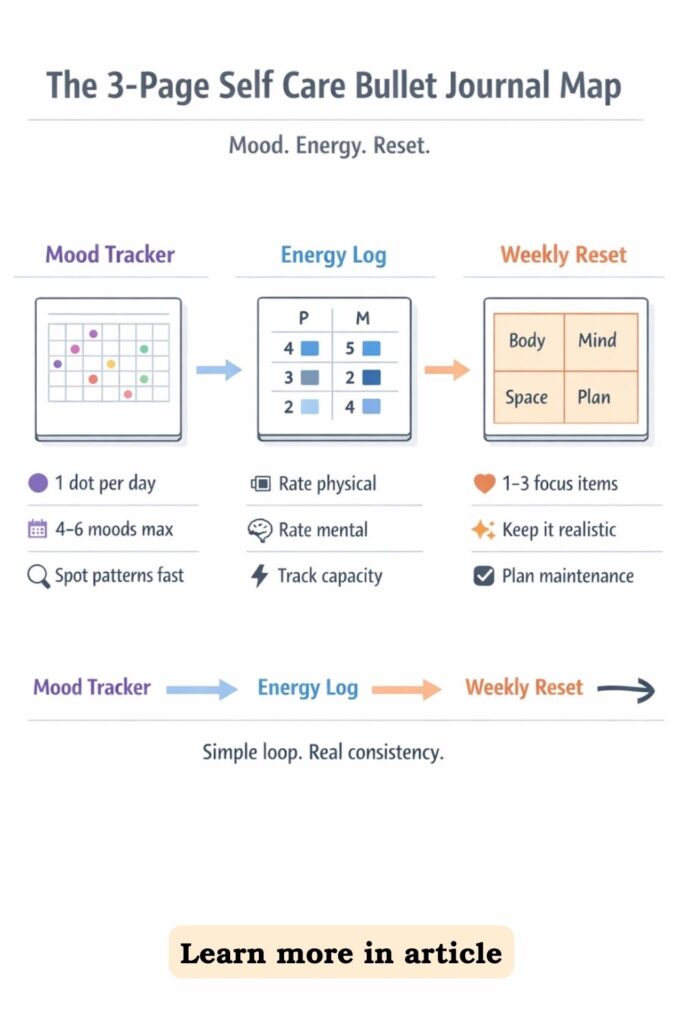
Page 1: The Daily Mood Tracker
Purpose: Identify emotional patterns without overanalyzing.
Why Mood Tracking Works
- Builds emotional awareness
- Highlights triggers and patterns
- Encourages reflection without pressure
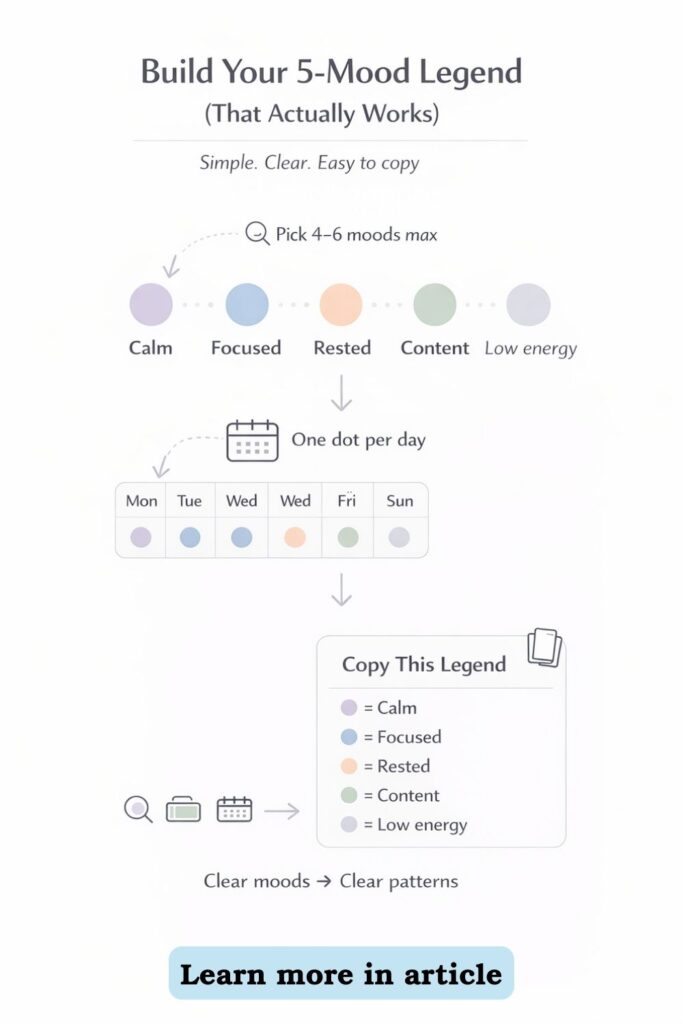
How to Set It Up
- Simple monthly grid (1 square per day)
- 4–6 mood categories max
- Use color dots or small symbols
Keep It Minimal
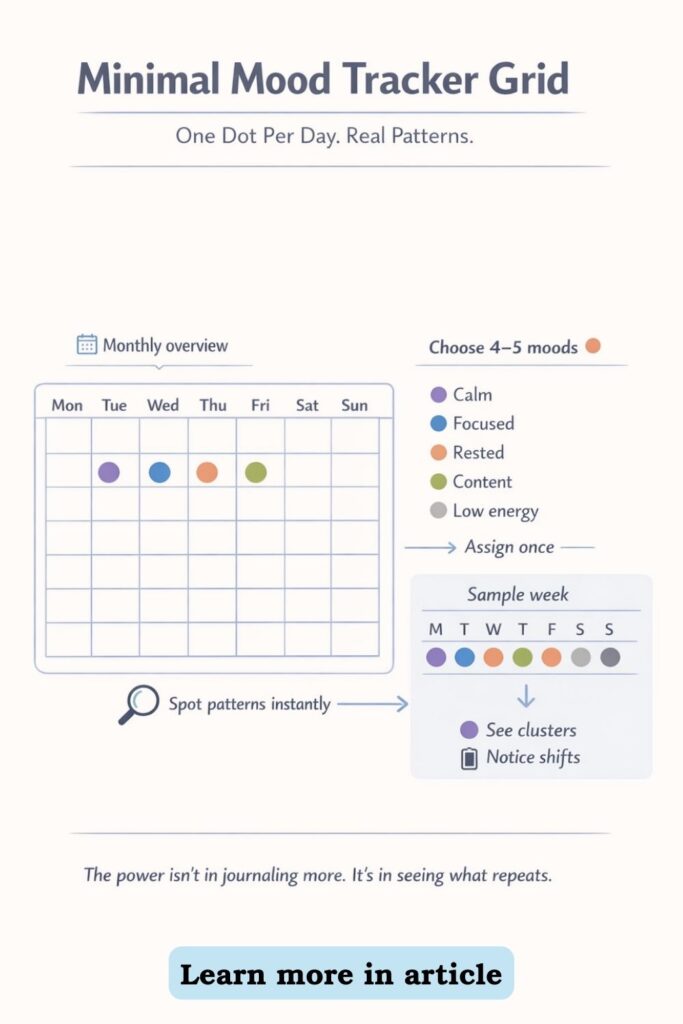
No long journaling required — just mark the day.
Visual Tie-In: Clean grid layout labeled “Mood.”
Page 2: The Energy Log
Purpose: Track physical and mental energy separately from mood.
If you want to get more from your life, and are looking for concrete action steps to get you there, check out our Request a Coach page. It’s a “cut the fence-sitting and take action” way to tackle your issues and actually find success. To get off the fence and start to take action, click or tap here.
Why Energy Matters
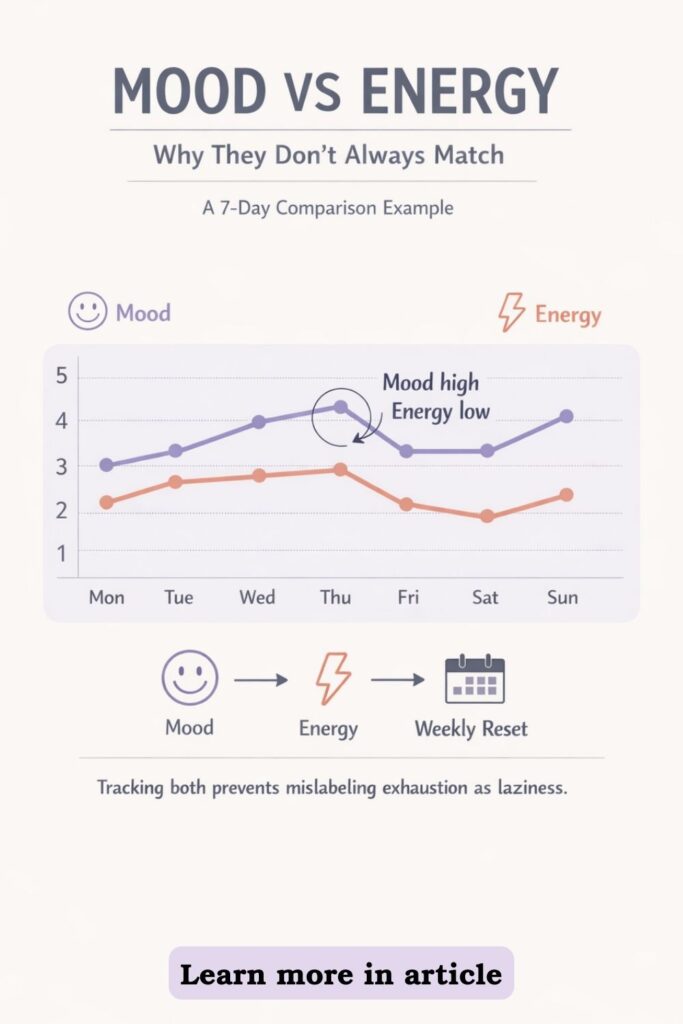
Sometimes you feel “fine” emotionally but physically drained. Tracking energy prevents mislabeling burnout as laziness.
How to Set It Up
- Daily energy rating (1–5 scale)
- Separate markers for physical and mental energy
- Optional note space for 1 short line
What to Look For
- Patterns across weekdays
- Sleep or workload impact
- Energy dips before burnout
Visual Tie-In: Simple vertical list with 1–5 scale columns.
Page 3: The Weekly Self Care Reset Spread
Purpose: Plan intentional care instead of reacting midweek.
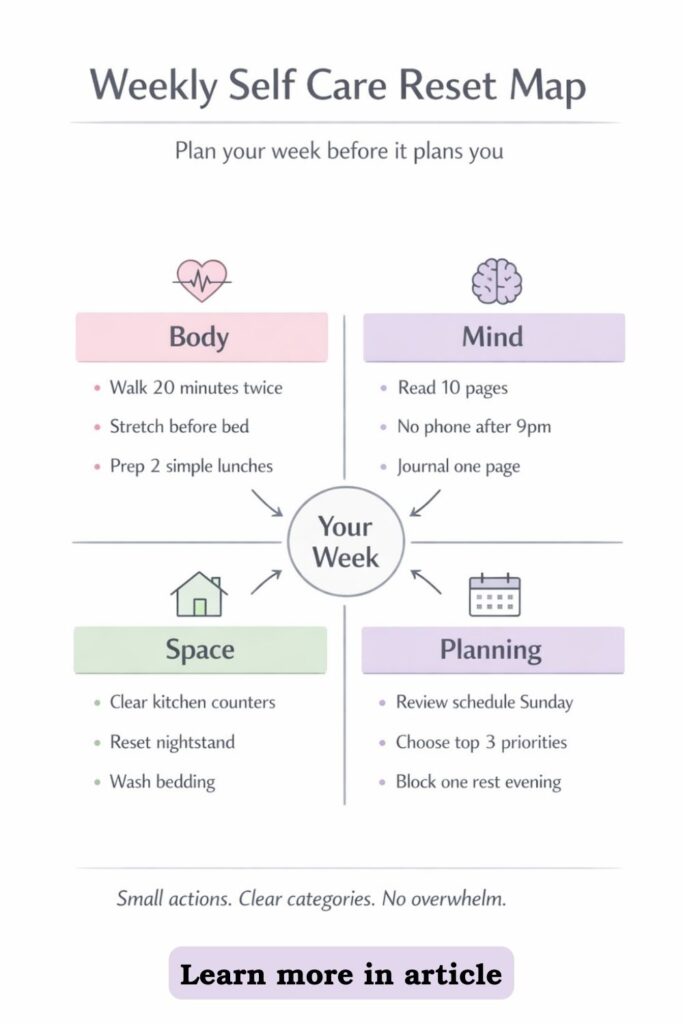
Layout Structure
Divide the page into 4 small sections:
- Body
- Mind
- Space
- Planning
What to Write in Each Block
- 1–3 focus items per category
- Keep it realistic
- Focus on maintenance, not transformation
Why Weekly Planning Increases Consistency
When self care is scheduled, it becomes structural — not optional.
Visual Tie-In: 4-block weekly layout preview.
How These 3 Pages Work Together
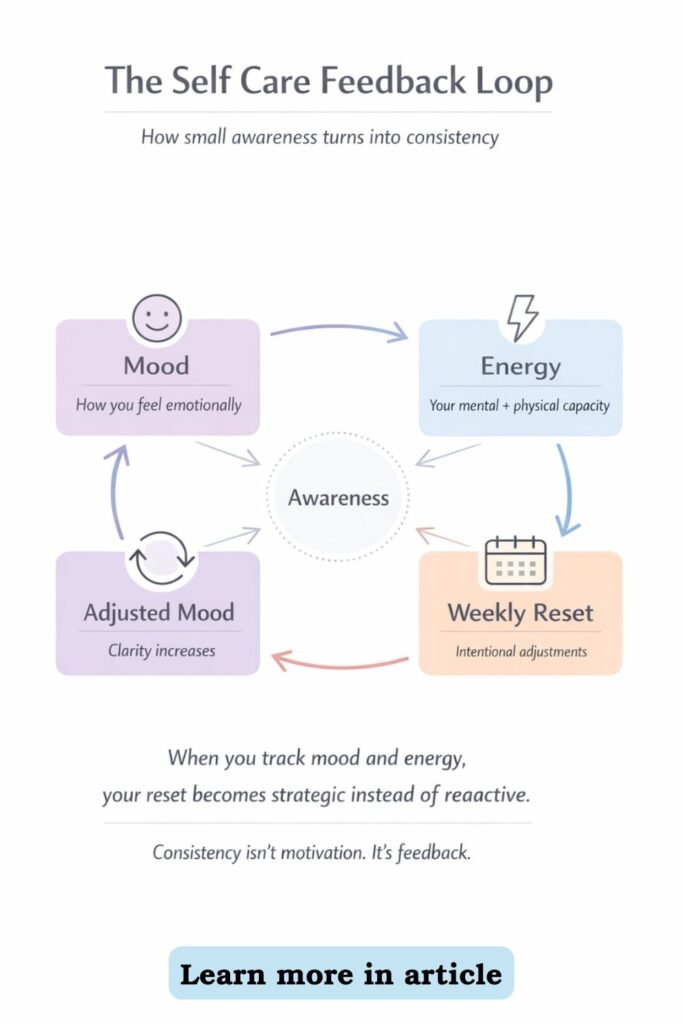
- Mood shows emotional patterns
- Energy shows capacity patterns
- Weekly reset helps you adjust based on both
This creates a feedback loop instead of random journaling.
How to Keep It From Becoming Overwhelmin
Limit Decoration
Function over aesthetics.
If you want to get more from your life, and are looking for concrete action steps to get you there, check out our Request a Coach page. It’s a “cut the fence-sitting and take action” way to tackle your issues and actually find success. To get off the fence and start to take action, click or tap here.
Avoid Adding Extra Trackers
No habit trackers, no 15-page wellness dashboards.
Review Once a Week
Look for patterns, adjust next week’s reset.
Common Mistakes to Avoid
- Tracking too many variables
- Turning it into a productivity planner
- Writing long reflections daily
- Skipping weekly review
Closing
A self care bullet journal should reduce noise — not add to it.
When you track mood, energy, and weekly resets only, you create a system that’s sustainable, clear, and actually useful.
If you want to get more from your life, and are looking for concrete action steps to get you there, check out our Request a Coach page. It’s a “cut the fence-sitting and take action” way to tackle your issues and actually find success. To get off the fence and start to take action, click or tap here.
Read this next

10 Tips for a Healthy & Mindful Day
“Happiness is your nature. It is not wrong to desire it. What is wrong is seeking it outside when it is inside.”
Read More
How to Transform Everyday Items into Yoga Props for Beginners
Let’s get one thing straight: you do not need a $98 cork yoga block or a boutique bolster embroidered with moon phases to start your practice. If you’ve got a […]
Read More
Top 7 Habits of Happy People
Learn the top 7 habits of happy people you can apply to your life starting today.
Read More