


Talk to a coach about Organizational coaching

Dr Soraya Sawicki, DSW, CPC, RMT
DSW, CPC, CSC, RMT
Personalized wellness coaching for stress relief, energy, and inner harmony.

Robert Bradley Singleton
Certified Master Spiritual Life Coach, Neuropsychologist, and Existential Therapist
Train with the best to be the best you! Don't...

Lisa Rogers
Certified Professional Coach | 500-Hour Yoga Teacher | Meditation Instructor | Trauma-Informed, IFS-, CBT-, DBT-, and Polyvagal-Informed Coach | High-Conflict Mediation Trained | HSP Specialist
Healing mind, body & spirit through coaching, meditation, and nervous...

Daniel Herron
CPLC
You know what it's like to avoid, to push away....
Diana Davis-Nanasi
ICF Certified Coach, helping clients overcome self-doubt, low confidence, stress managment
I understand life can become overwhelming; I am excited to...

Matthew Walley
Frame of Mind Coaching Certified
Mindset Coach helping people gain awareness around their thinking and...

Robert B Singleton, MCMA, MSc.
MSc. Metaphysical Sciences; B. Div., Divinity: Mindfulness and Positive Psychology fanatic
Positive Psychology and Mindfulness Specialties; NeuroScience and Trauma-informed
Maiysha Clairborne
MD, Master NLP Coach & Hypnotist
Pinterest Says Do This. Your Life Says Nope. This Mistake Makes Organization Fail Every Time

We’ve all been seduced by the Pinterest-perfect organizing system. The rainbow-ordered snack drawers. The labeled linen closets with matching baskets. The decanted pantries so pristine they could be in a showroom.
But here’s the problem: what looks amazing online doesn’t always work in real life—especially if that life is full of work meetings, toddler meltdowns, and “What’s for dinner?” brain fog.
Too many women build systems around aesthetic ideals instead of real-life routines. And when the system feels too hard to maintain, they assume they’re the problem—not the setup.
Spoiler: It’s not you. It’s the system.
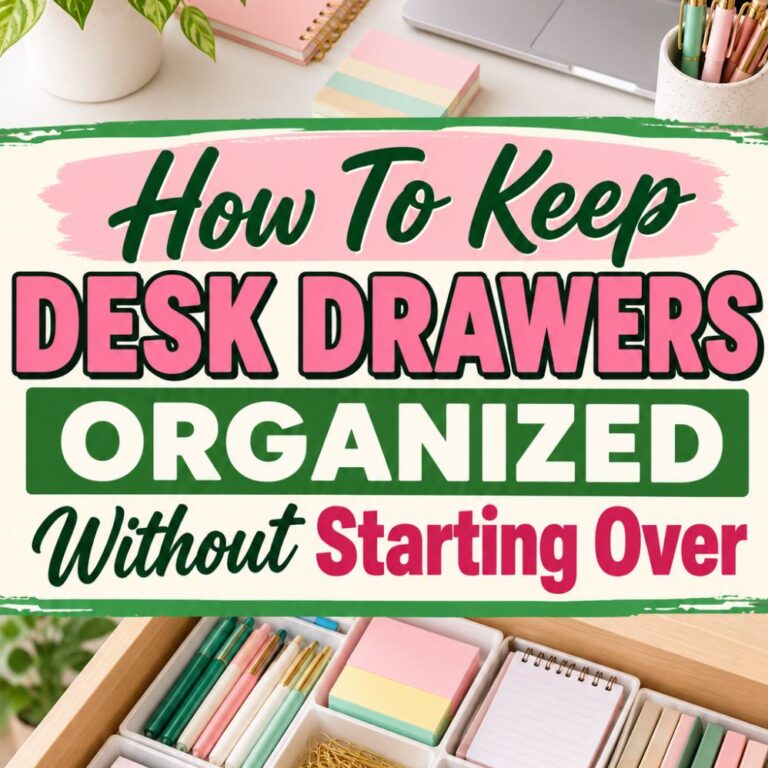
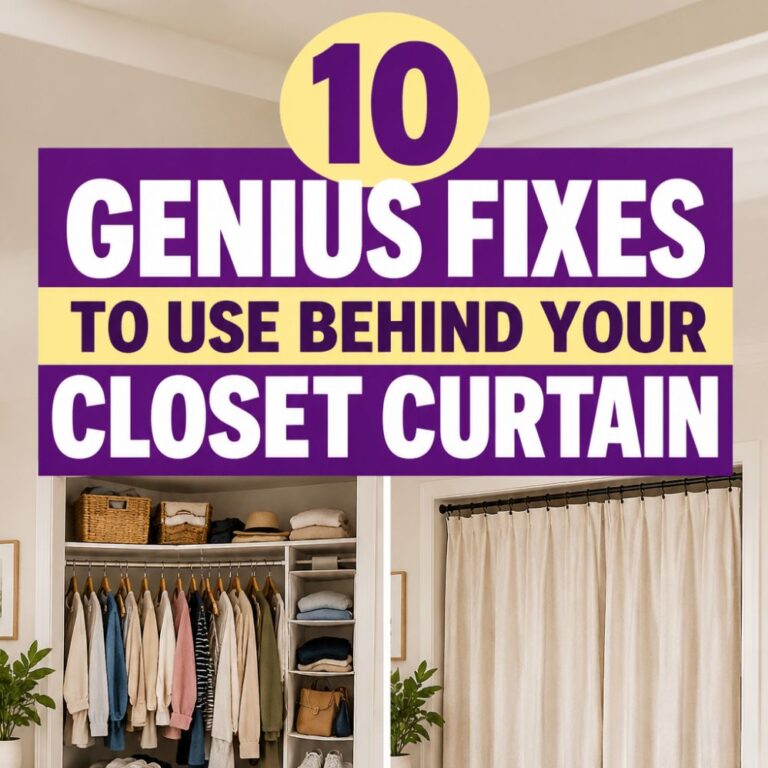
We called out this mistake in the roundup because so many systems look amazing but fail fast. In this article we show what happens when you copy someone else’s routine—and how to create one that actually fits yours.
Want more home tricks like this? Get our free Clutter Reset Guide, plus Home Hacks Daily in your inbox. Get the free guide
Pinterest Trap

Pinterest makes it all look so effortless. But if you’ve ever caught yourself:
Buying that cute organizing set… then letting it sit unopened for weeks
Measuring once, guessing twice, and hoping it fits
Copy-pasting a “perfect” pantry from a pin—only to realize it doesn’t match your real-life chaos
Forcing your stuff into a system that looked great online but feels wrong in your space
Then your inspo board might be setting you up to fail instead of helping you function.
The Real Problem: Pinterest-Perfect Systems Fail

When your organizing setup requires extra effort to use—too many steps, overly specific categories, or constant upkeep—it’s destined to collapse.
Here’s what happens:
- You stop using the fancy labels because it takes too long to sort things.
- The file-folded drawers turn into crumpled piles by week two.
- You avoid restocking your pantry jars because you just don’t have the time.
- Your family doesn’t follow the system, and you end up redoing it yourself.

These systems look incredible in photos but fall apart under the pressure of real life. They’re designed for visual effect, not human behavior. And the result? You feel defeated, cluttered, and even resentful of a space that was supposed to make life easier.
SEE ALSO: If clutter keeps creeping back no matter how often you tidy, grab our free Clutter Reset Guide. It's a quick-start plan to get organized without feeling overwhelmed, with simple steps you can start today. Ready to find your keys in the morning? Click or tap here.
The Fix: Build for Your Habits, Not the Hashtag

The most sustainable systems aren’t the ones that look perfect—they’re the ones that feel easy. Organization shouldn’t require willpower to maintain.
Here’s how to create systems that support your actual lifestyle:
- Observe your routines. Where does clutter build up? What do you grab every day? Don’t guess—watch yourself.
- Design for ease. If it takes more than 2 steps to put something away, you probably won’t.
- Prioritize visibility. Use open bins, clear trays, labels you’ll actually read, and storage that you can see, not just store.
- Accept what you won’t do. Hate folding? Use baskets. Can’t decant? Use labeled shelves. The best system is the one you’ll keep using.
If a system isn’t effortless, it won’t last. You need tools that support your energy, not compete with it.
It’s Not Too Late

Tried a Pinterest-perfect system that flopped? It’s fixable. Try this:
- Watch your daily routine for one week—where do things naturally land?
- Relocate items based on access, not appearance
- Simplify categories: “Desk Stuff” works better than 5 micro-labels
- Remove any tool or container you consistently avoid using
Real systems honor your habits—not your Pinterest board.
Want help designing sustainable systems that fit your real life? Check out our functional organizing guide here.
Read this next
How to Get Vision Board Inspiration Without Looking at Images First
Start your 2026 vision board with clarity, not random images. This simple reset shows how to choose direction before inspiration.
Read More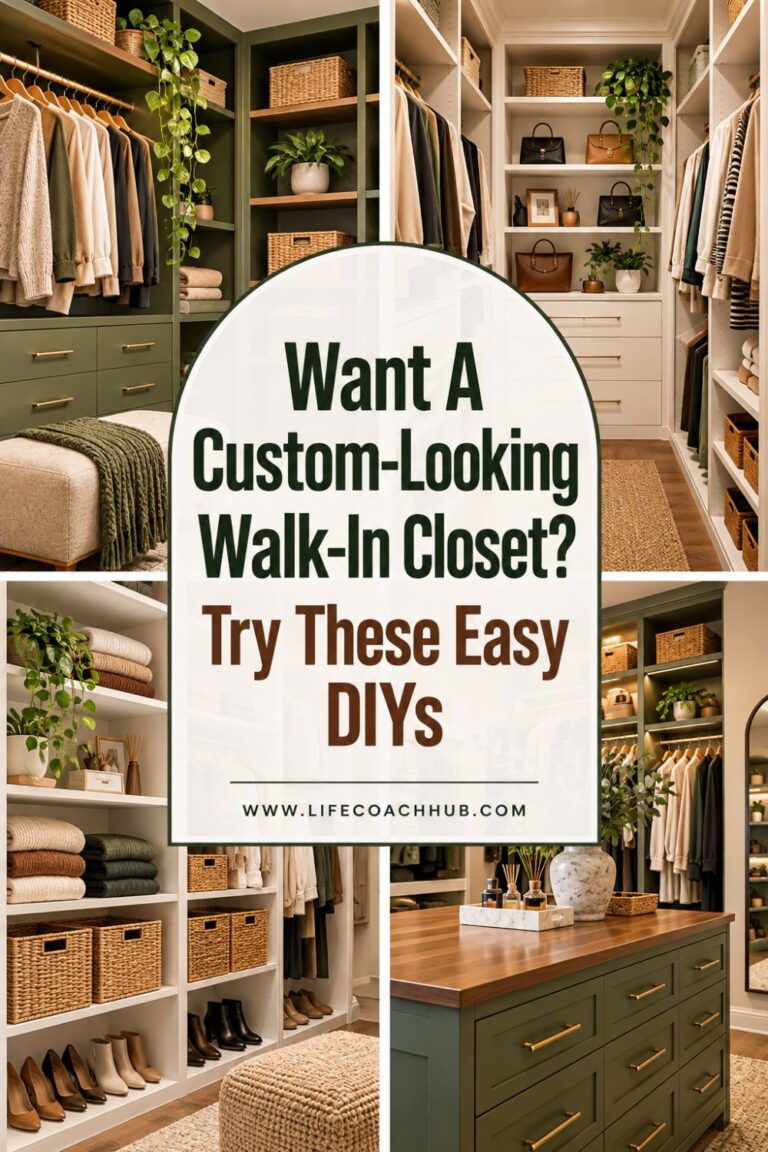
DIY Walk-In Closet Ideas That Feel Custom Without the Custom Price
Want a walk-in closet that looks custom without the custom price? These clever DIY storage ideas make every inch work harder.
Read More
Organizational Skills Coaching
Don’t let your life spin out of control. Learn to lose the clutter and concentrate on what’s important.
Read More