



5 Tips on How to Build a Successful Business
New businesses
Starting a new business can be daunting and arduous particularly, when you don’t have plenty of cash to play around with, and of course, sound experience to base your business on. Also wrongly, many people think that their small business will only flourish when they are all set and have every bit of their tools and equipment ready.
Often, people take too strictly to planning things out in a way that they don’t ever get started, and frankly speaking, there is no greater way to lose an opportunity than declining to practically get involved with the opportunity. It is more important to actually take steps rather than just mapping out steps to achieving a goal.
You can change the world, reach for the stars, maximize your potentials and even cross the ocean by foot, but only, if you take that very first step and acknowledge it as an effort worthy.
With small business, all you need is a strong decision-making will. Once you decide and commit to go for it, there will always be ways to achieve your goal. You must also decide on the following:
- To bend or chuck some of your old ways of doing things
- Be ready to imbibe new habits
- Be ready to open your mind to learning more
- Organize your thoughts strategically
What Helps a New Business Survive?
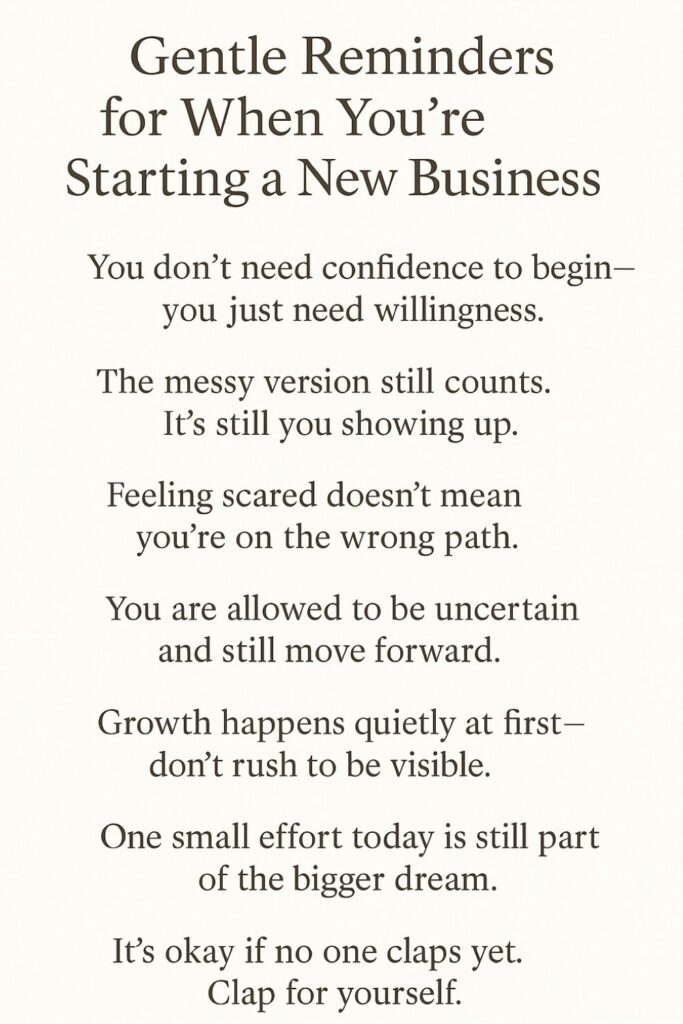
This ‘order’ checklist does not guarantee a hitch free smooth-running and profitable business. However, it puts you at an edge of survival when the turmoil of sweltering business realities brews, which is one excuse people give for not starting their own businesses.
“Success is not final; failure is not fatal: it is the courage to continue that counts.”
Frequently attributed to Winston Churchill, although the International Churchill Society reports that the quotation does not appear in his canon.
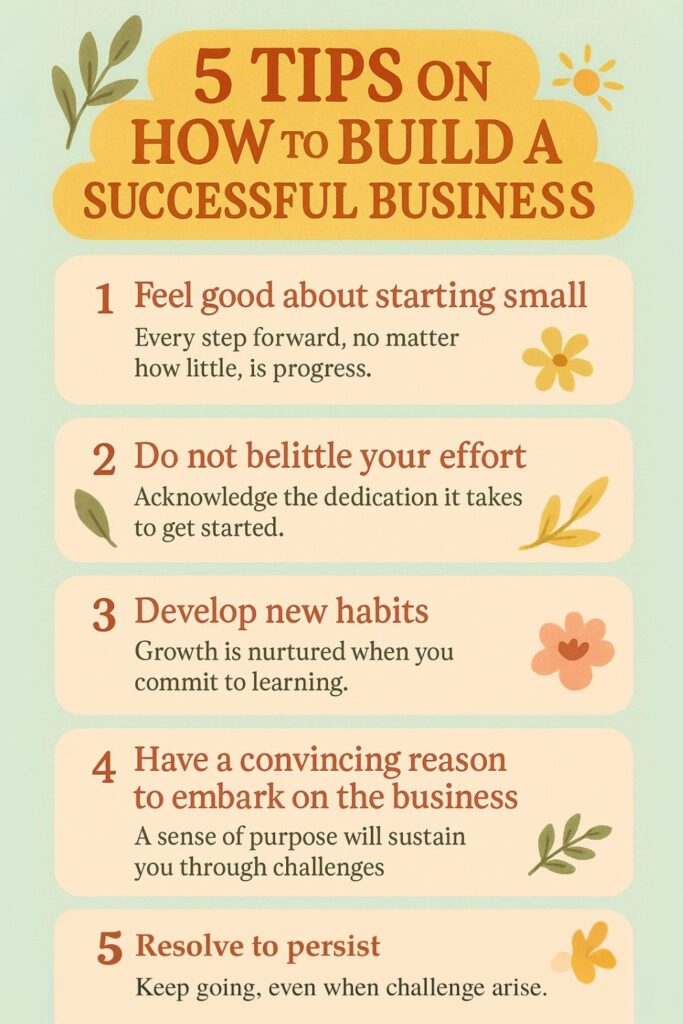
Business Owners who have become successful did not achieve their success in a single go, nor did they stop when challenges surmounted. Actually, most of them started in as little as you are starting now. Little drops of water make a mighty ocean. If you are still lingering around not sure how to start or confused about how to transform your small beginning into your dream business, then check out these 5 tips.
If you want to get more from your life, and are looking for concrete action steps to get you there, check out our Request a Coach page. It’s a “cut the fence-sitting and take action” way to tackle your issues and actually find success. To get off the fence and start to take action, click or tap here.
Key Takeaways
- Start before everything feels ready. A small, testable version of the business creates real feedback faster than months of planning, polishing, and buying tools.
- Validate demand through behavior. Interest becomes meaningful when people ask about price, book a call, join a waitlist, pay a deposit, reorder, or refer someone.
- Build around a clear reason. Your purpose should guide the customers you serve, the offer you create, the schedule you keep, and the opportunities you decline.
- Use a weekly operating rhythm. Regular time for outreach, selling, offer improvement, and review helps separate visible activity from work that creates momentum.
- Persist by changing the method. Stay committed to the goal, but use customer feedback and simple business numbers to decide what to improve, stop, or test next.
How Do You Build a Successful Business?
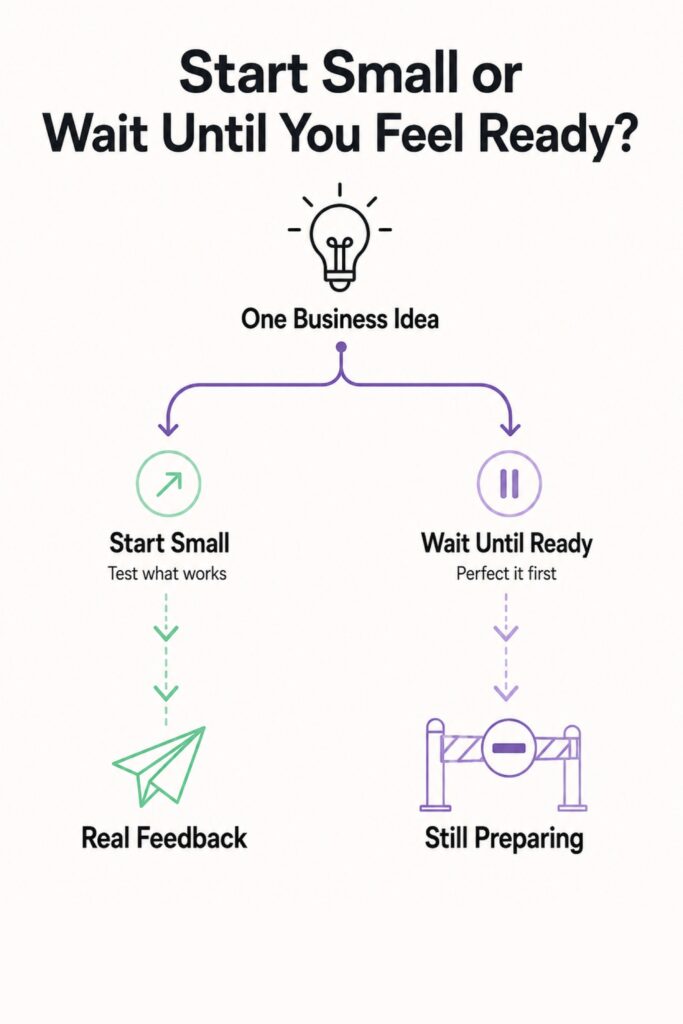
To build a successful business, start with one clear customer, one real problem, and one offer people can understand and buy. Test the simplest workable version before investing heavily in branding, equipment, inventory, or a large product line.
Use each sale, inquiry, objection, and nonresponse as information. Measure outreach, replies, sales conversations, customers, repeat purchases, and referrals so you can see where the business is working and where the process breaks.
Success comes from combining disciplined action with intelligent adjustment. Keep the goal, change methods when evidence demands it, and build a weekly rhythm that includes selling, delivery, review, and the next focused test.
Why Should You Feel Good About Starting Small?
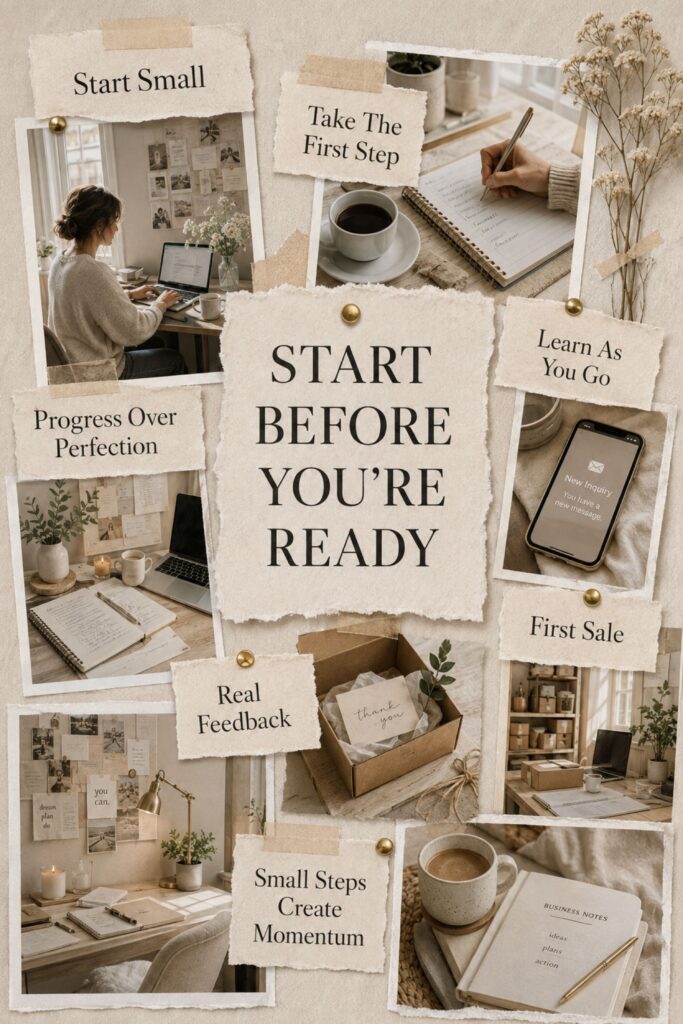
It cannot be over emphasized that the greatest things started from small beginnings, even you. You couldn’t have started life at the rate you are now and it goes on and on like that. If you take a look around you, you’ll see it.
When you start small, it gives you the opportunity to gather tools and knowledge that you can take with you through time in your business and gives you a sense of true prowess and courage as you will be able to manage and nurture your business no matter what heights you attain and will be able to tell the story right from scratch.
Why Should You Value Every Early Effort?
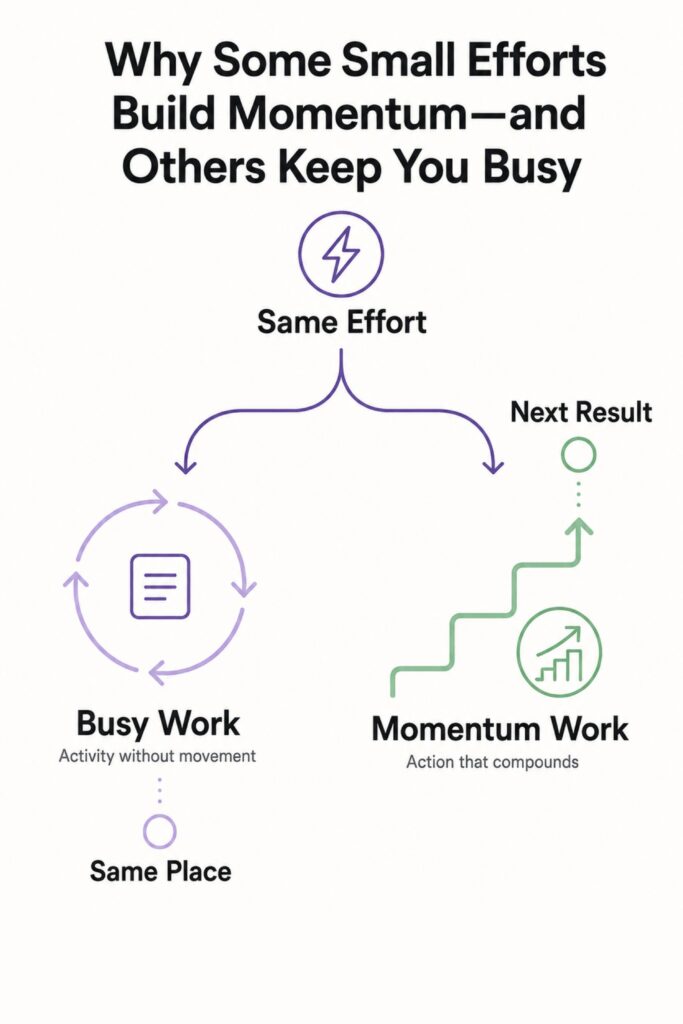
It all starts from here. From the moment you begin to raise ideas, to the final execution of your business plans, see your every effort as an attempt worthy of praise and appreciation.
Don’t demean what you do or run down your ideas because you can’t just see how you can succeed with it. Take your time, ponder over the idea or action you have taken, ask yourself different questions to enable you view it from different perspectives. Don’t forget that as you ponder on your ideas, a new light will shine on it and lead a new direction completely which you may not have achieved if you had discarded your idea from the outset.
Which New Habits Support Business Growth?
There are things that you do that do not suit your overall goal or purpose, and unless you are willing to change direction and do things differently, you may never achieve your goal. The first step is to analyze the way that you do things that may be affecting your growth or business growth, whether in terms of the way you think, the way you see and portray yourself or some general habits that may be inhibiting your success.
If you want to get more from your life, and are looking for concrete action steps to get you there, check out our Request a Coach page. It’s a “cut the fence-sitting and take action” way to tackle your issues and actually find success. To get off the fence and start to take action, click or tap here.
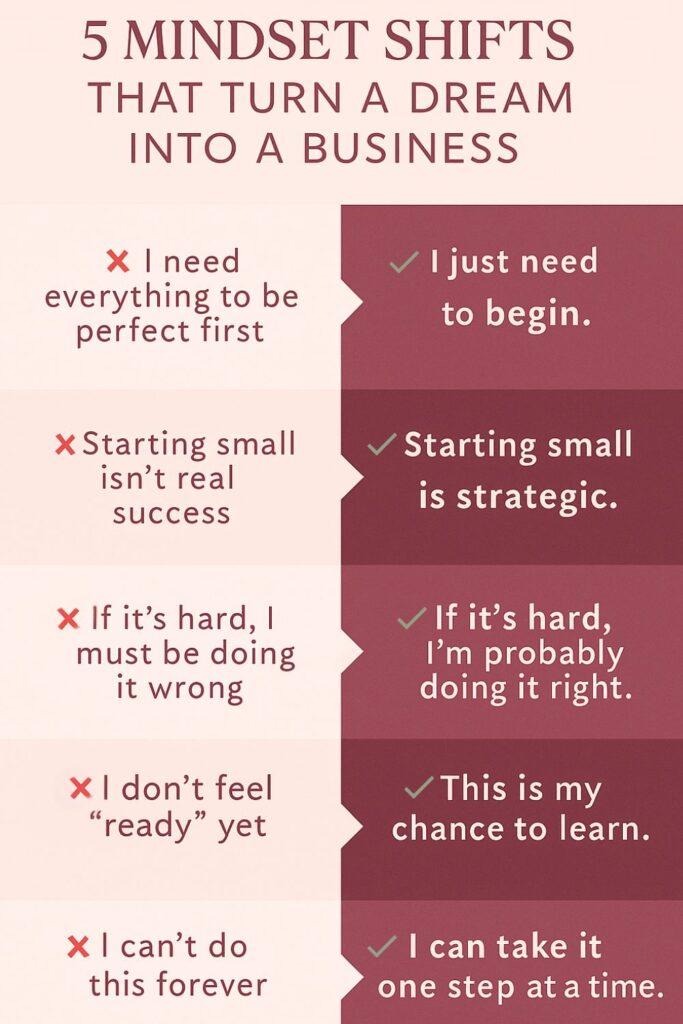
Often, we neglect the need to develop new habits because of the time and effort it may require to achieve the desired outcome or because we are looking for a shorter route, which usually cannot deliver long term results.
If you have set goals for yourself and are unable to achieve it or find it hard to create the change you believe you need because you think the process is difficult, all you have to do is go back to where you dropped it. Do a restructuring and break the goal or process it into smaller achievable bits. No matter how long it may take, you will achieve your goal in the long run.
Why Are You Starting This Business?
One of the greatest reasons businesses fail before it starts is due to lack of real purpose and vision. Some business owners simply do not know concretely well why they have embarked on their journey of setting up their own business and without an enduring motivation, your actions will be defeated.
As a business coach, I always support my clients to identify clearly why they want whatever they seek to have before we proceed further. It is not unusual to begin a process of transformation and hit a stumbling block that will not just budge no matter what you do. This is essentially because you are working on some internal systemic conditions that will not just adapt to the change you crave. To solve this problem, you have to explore the possible cause from the roots and disentangle your mind from whatever it is, as contrary, will continue to feed your desire inappropriately.
How Do You Build Intelligent Persistence?
It is not always how well you can do something that gets you the success you want nor the amount of effort you have put in, it is your persistence to continue to trudge that fuels your heart with strings of passion that eventually defines your essence and value. Persistence will eventually offer its own reward. If you continue to take the right actions, no matter how minute, you will at some point get some results which form the basis for you to be motivated. No persistent action ever gets wasted.
If you’ve been struggling to get your small business to run as you’d love or don’t even know where to start from, why not try a combination of these tips. Working out what works best for you will always leave you and your business in the best shape possible.
What Is a Minimum Viable Offer?
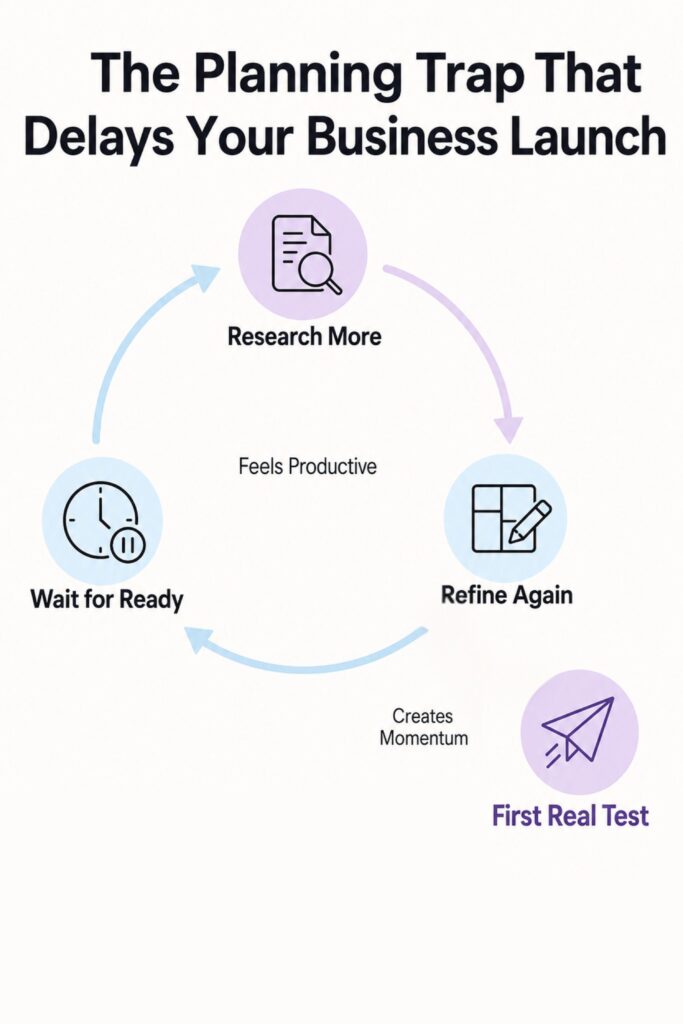
You do not need a perfect business before you begin. You need one offer that a real person can understand, want, and pay for.
This is called a minimum viable offer. It is the simplest version of your business idea that can be tested in the real world.
If you want to get more from your life, and are looking for concrete action steps to get you there, check out our Request a Coach page. It’s a “cut the fence-sitting and take action” way to tackle your issues and actually find success. To get off the fence and start to take action, click or tap here.
For example, if you want to start a meal prep business, you do not need twenty menu options, branded packaging, and a full delivery team on day one. You could begin with:

One clear customer: busy professionals in your area
One clear problem: healthy lunches are taking too much time
One clear offer: five ready-made lunches delivered every Monday
One clear price: enough to cover costs and show whether people value it
That small offer teaches you more than months of planning.
You find out what people ask before buying. You see what they hesitate over. You learn whether they reorder, complain, refer friends, or disappear after one purchase.
That is business information you cannot get from thinking alone.
A business coach can be useful here because many new business owners try to build the “impressive” version first. A coach can help you strip the idea down to the first paid test, then practice explaining it clearly without rambling or apologizing.
How Does the Build, Measure, Learn Loop Work?
Starting small works best when your actions create feedback.
The Build, Measure, Learn loop, introduced by Eric Ries in The Lean Startup, is a simple way to do this. You build a small version of your idea, measure what actually happens, then learn what to change next.
If you want to get more from your life, and are looking for concrete action steps to get you there, check out our Request a Coach page. It’s a “cut the fence-sitting and take action” way to tackle your issues and actually find success. To get off the fence and start to take action, click or tap here.
Not guess. Not hope. Not keep doing the same thing because you already spent time on it.
Say you want to create an online course. Before recording ten modules, you could run a live paid workshop for a small group.
You build the workshop. You measure how many people sign up, what questions they ask, where they get stuck, and whether they want the next step. Then you learn what the full course should include.

The same loop works for service businesses.
A new cleaning business might test two offers: a one-time deep clean and a monthly maintenance package. If people keep choosing the monthly package, that tells you something. If they ask whether you bring supplies, that tells you something too.
Small tests reduce expensive mistakes.
Instead of asking, “Will this business work?” ask:
What can I test this week?
What response would show real demand?
What would make me change the offer?
If you want to get more from your life, and are looking for concrete action steps to get you there, check out our Request a Coach page. It’s a “cut the fence-sitting and take action” way to tackle your issues and actually find success. To get off the fence and start to take action, click or tap here.
This keeps you moving, but not blindly.
How Do You Test Demand Before Building Too Much?
One of the most expensive mistakes in a small business is building something nobody has clearly asked for.
The idea may be good. The branding may be beautiful. The product may even be useful. But if people are not willing to take action, you do not yet have demand.
Demand shows up in behavior.
The U.S. Small Business Administration recommends using market research to assess demand, market size, market saturation, and pricing before launch.
People ask for the price. They join the waitlist. They book the call. They pay a deposit. They tell someone else. They come back.
A few compliments are nice, but they are not demand.
If someone says, “This is such a great idea,” the next useful question is, “Would you want to be one of the first people to try it?”
If you want to get more from your life, and are looking for concrete action steps to get you there, check out our Request a Coach page. It’s a “cut the fence-sitting and take action” way to tackle your issues and actually find success. To get off the fence and start to take action, click or tap here.
That answer matters.
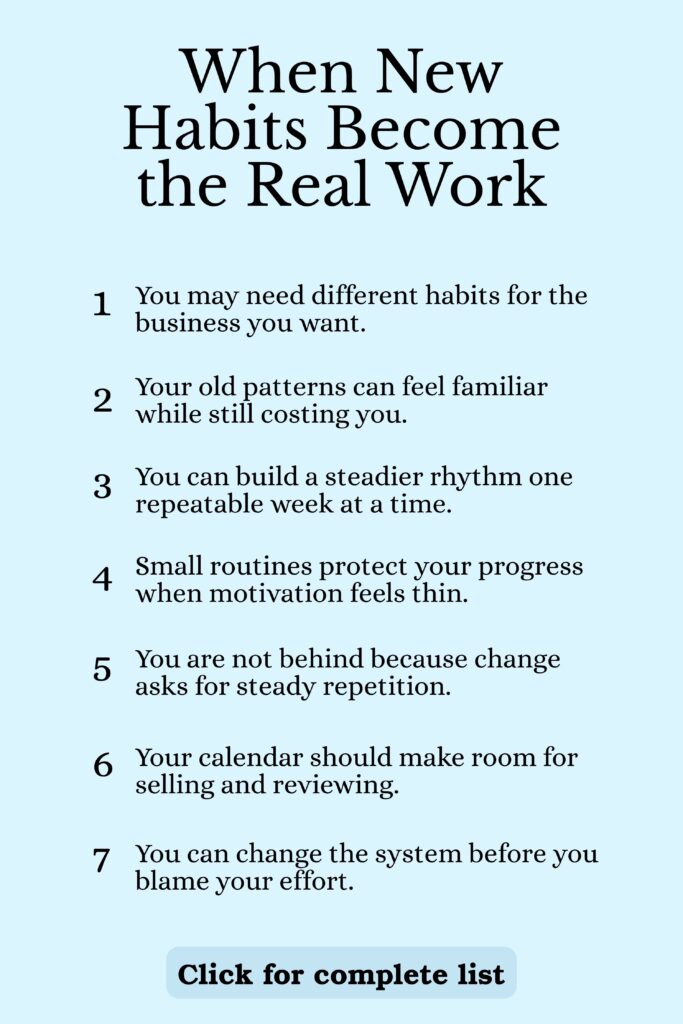
A person starting a tutoring business could test demand by offering a four-week exam prep sprint before creating a full learning program. A career coach might offer five discounted résumé review sessions before building a complete job search package. A baker could take pre-orders for one signature cake before buying extra equipment.
Testing demand does not make your business less serious. It makes your decisions sharper.
A business or career coach can help you handle this stage without taking every “no” as a personal judgment. They can help you review what people actually said, adjust the offer, and keep the next step practical.
How Can Your Reason Guide Business Decisions?
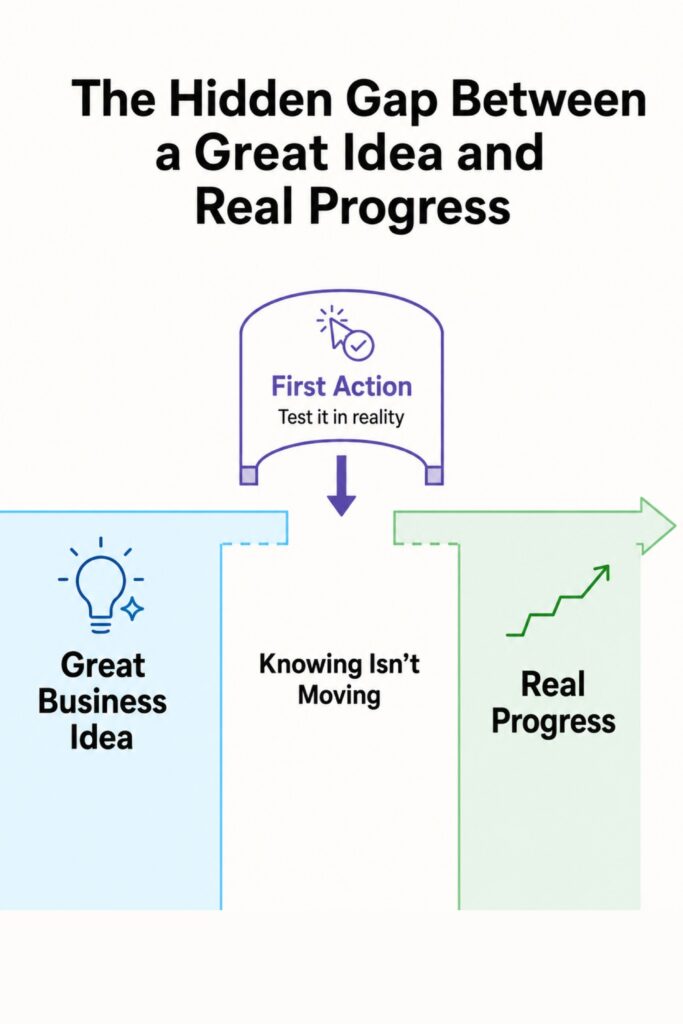
Having a reason to start a business is good. But a reason only helps when it guides decisions.
“I want freedom” is not enough by itself. Freedom can mean flexible hours, more income, creative control, less commuting, or the ability to choose your clients.
Each version leads to different business choices.
If your reason is to spend more time with your children, a business that requires night calls, weekend events, and constant urgent customer service may work against you. If your reason is to build serious income, a very low-priced offer with no path to repeat sales may become a trap.
If you want to get more from your life, and are looking for concrete action steps to get you there, check out our Request a Coach page. It’s a “cut the fence-sitting and take action” way to tackle your issues and actually find success. To get off the fence and start to take action, click or tap here.
Use your reason as a filter.
Ask yourself:
Does this offer solve a problem people already care about?
Can I reach the people who need it?
Can I deliver it consistently with my current time and resources?
Does this model fit the life I am trying to build?
Can this grow beyond my first few customers?
For example, “I want to help people feel healthier” is still vague.
“I help new mothers plan simple high-protein meals during their first year back at work” gives you a clearer direction. You know who you are serving. You know the situation they are in. You can imagine the exact problems they face on a Tuesday night when the fridge is empty and the baby is crying.
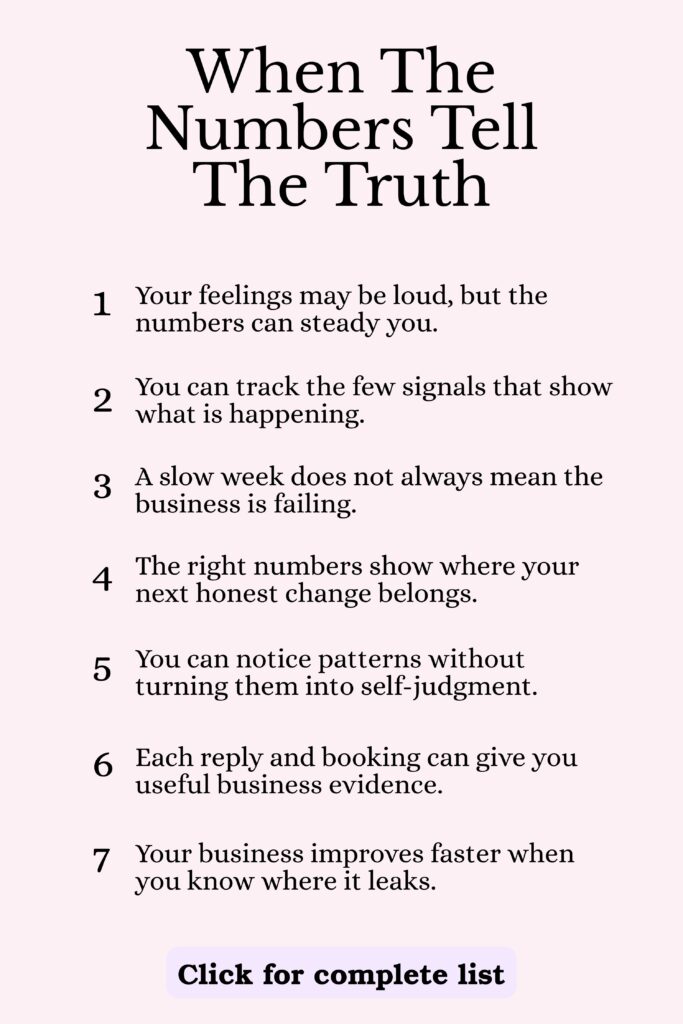
That kind of clarity helps you choose offers, pricing, content, and sales conversations.
It also helps you say no.
Not every opportunity belongs in your business. Some opportunities only look good because they are available.
If you want to get more from your life, and are looking for concrete action steps to get you there, check out our Request a Coach page. It’s a “cut the fence-sitting and take action” way to tackle your issues and actually find success. To get off the fence and start to take action, click or tap here.
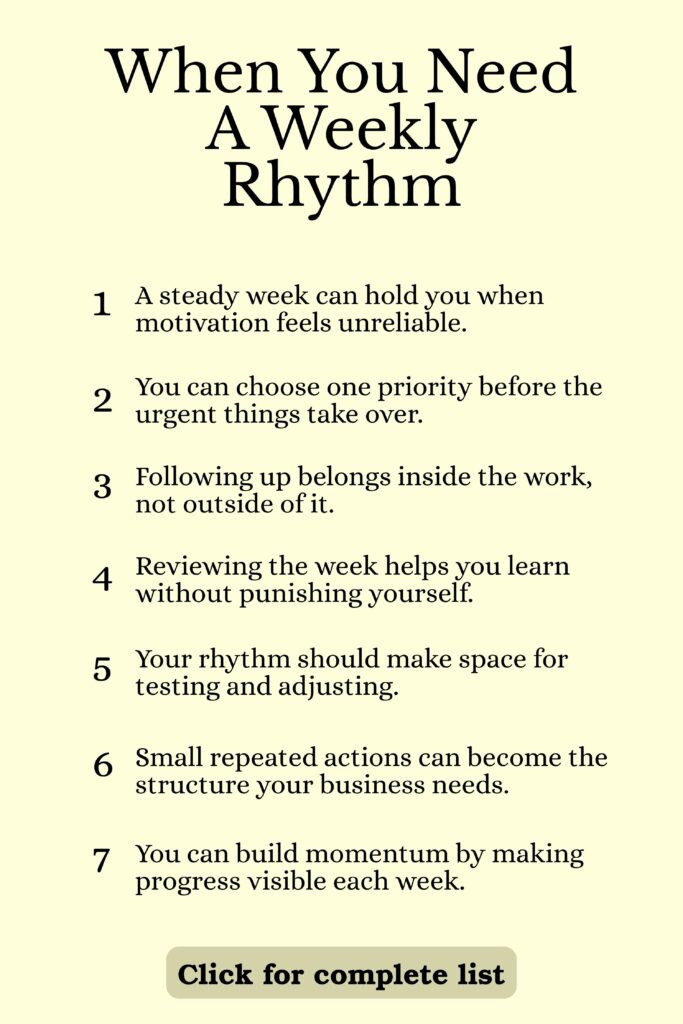
How Do You Build a Weekly Founder Rhythm?
New habits are easier to build when they are attached to a weekly rhythm.
Without a rhythm, business owners often drift into whatever feels urgent. They answer messages, tweak logos, watch tutorials, rewrite plans, and call it progress.
Some of it may be useful. Much of it is avoidance wearing a professional outfit.
A simple weekly rhythm keeps you honest.
You might use something like this:
Monday: choose one business priority for the week
Tuesday: contact potential customers, partners, or past leads
Wednesday: improve the offer based on what people are asking
Thursday: publish, pitch, sell, or follow up
Friday: review what happened and decide the next test
This does not need to be complicated.
A handmade candle seller could track which scents people ask about, how many messages turn into orders, and whether gift bundles sell better than single candles. A freelance designer could review how many proposals were sent, how many calls were booked, and which type of client responded fastest.
If you want to get more from your life, and are looking for concrete action steps to get you there, check out our Request a Coach page. It’s a “cut the fence-sitting and take action” way to tackle your issues and actually find success. To get off the fence and start to take action, click or tap here.
The rhythm matters because it separates motion from momentum.
A productivity coach or business coach can help you spot where the week keeps breaking down. Maybe you plan well but do not follow up. Maybe you create constantly but avoid selling. Maybe you spend Friday judging yourself instead of reading the evidence.
Once you see the pattern, you can change the system.
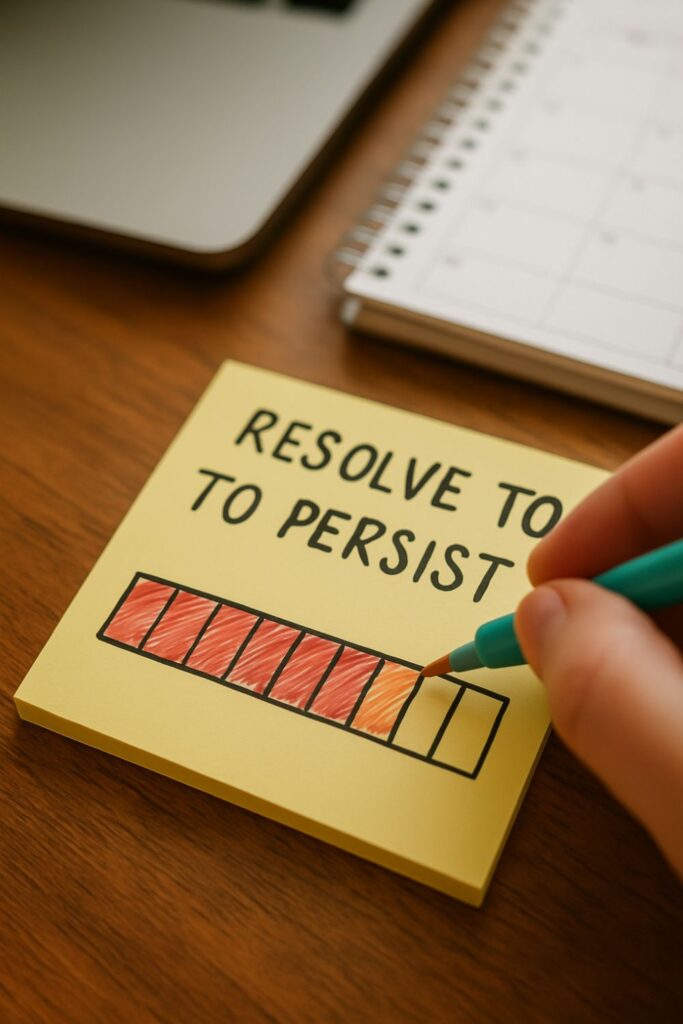
What Is the Difference Between Persistence and Repetition?
Persistence is powerful, but it has to be intelligent.
Doing the same thing for months with no feedback, no adjustment, and no clear result is not persistence. It is repetition.
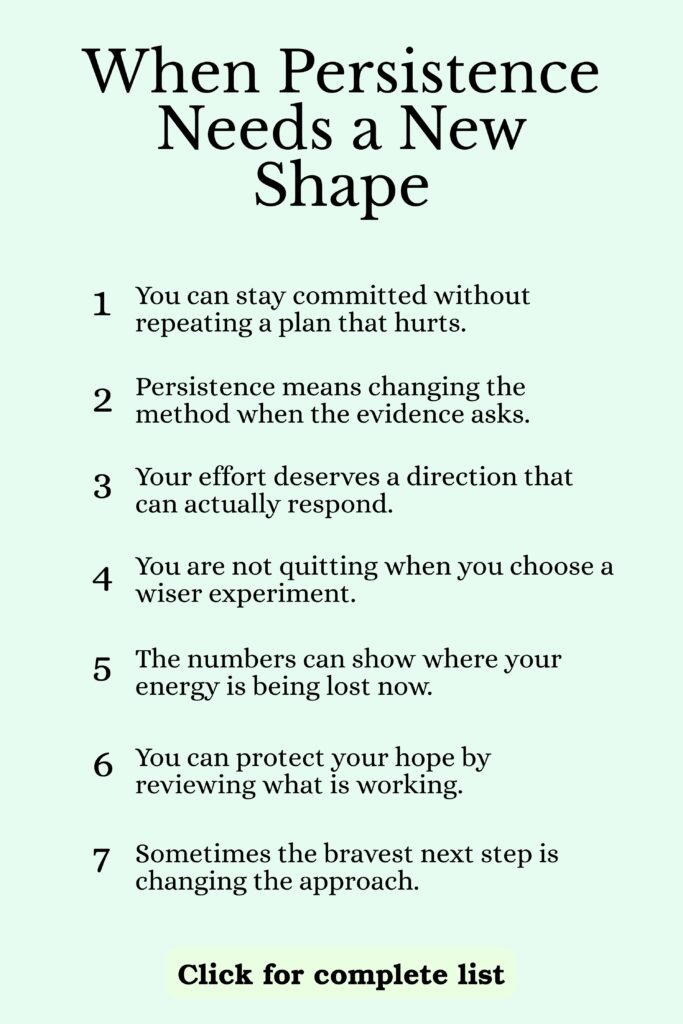
Real persistence means staying committed to the goal while changing the method when the evidence tells you to.
Suppose a personal trainer posts daily fitness tips on social media for six months and gets no clients. The answer may not be “post harder.”
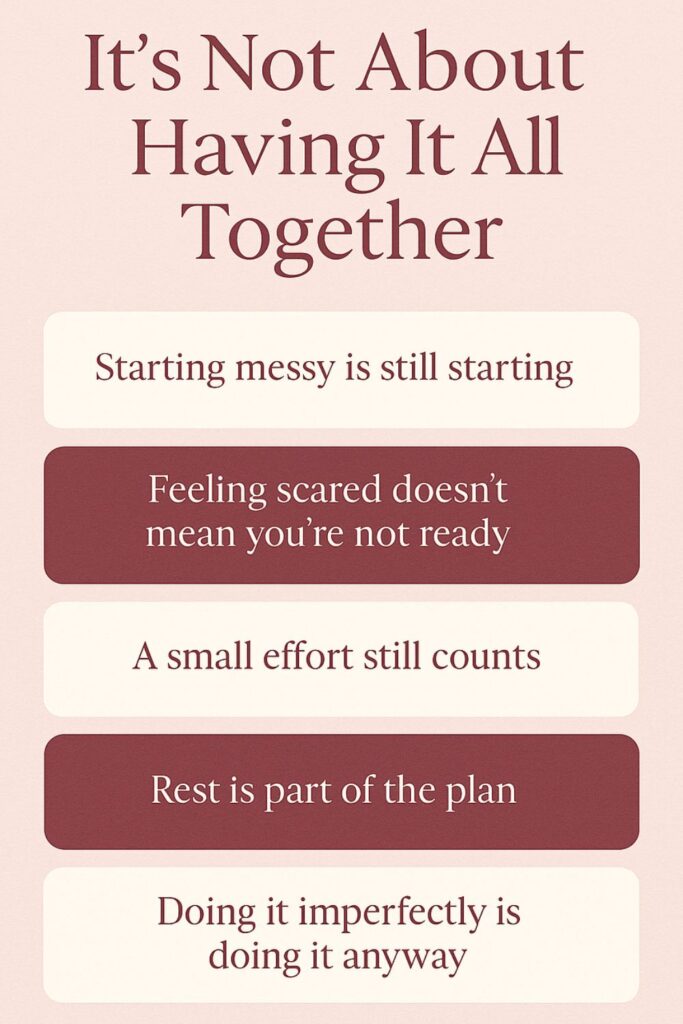
The problem might be that the posts are too general. Or the trainer never makes a direct offer. Or the audience is interested in motivation, but not ready to buy. Or local partnerships would work better than social media.
If you want to get more from your life, and are looking for concrete action steps to get you there, check out our Request a Coach page. It’s a “cut the fence-sitting and take action” way to tackle your issues and actually find success. To get off the fence and start to take action, click or tap here.
The goal stays the same. The method changes.
That is the difference.
A small business owner needs to ask:
What have I tried?
What result did it produce?
Where did people drop off?
What will I change next?
A leadership or business coach can be helpful when persistence turns into stubbornness. They can challenge you to look at the numbers, the conversations, and the actual customer behavior instead of defending a plan just because you worked hard on it.
Effort matters. But effort aimed at the wrong target will drain you.
Which Numbers Show Whether Your Business Is Working?
You do not need a complicated dashboard when you are starting out.
You need a few numbers that tell the truth.
If you want to get more from your life, and are looking for concrete action steps to get you there, check out our Request a Coach page. It’s a “cut the fence-sitting and take action” way to tackle your issues and actually find success. To get off the fence and start to take action, click or tap here.
Start with these:
People contacted
Interested replies
Sales conversations booked
Paying customers
Repeat purchases or referrals
These numbers show where the business is getting stuck.
For example, if you contact fifty people and nobody replies, the issue may be your audience, message, or offer. If plenty of people reply but nobody books a call, your next step is different. If people book calls but do not buy, the sales conversation needs attention.
This is far more useful than saying, “My business is not working.”
Be specific.
A new freelance writer may discover that LinkedIn messages get replies, but cold emails do not. A photographer may find that family sessions lead to referrals, while event photography does not. A coach may notice that people want help with job interviews more than general confidence.
The numbers point to the next move.
If you want to get more from your life, and are looking for concrete action steps to get you there, check out our Request a Coach page. It’s a “cut the fence-sitting and take action” way to tackle your issues and actually find success. To get off the fence and start to take action, click or tap here.
They also keep your emotions from running the business.
A slow week can feel like failure. But if the numbers show that inquiries are rising, your business may simply need better follow-up. If people are buying once but not returning, the next problem is retention, not visibility.
Business becomes easier to improve when you know which part of it needs work.
Frequently Asked Questions
What are the first steps to starting a successful business?
The first steps are choosing a clear customer, identifying a problem they already care about, and testing one simple paid offer. Keep the first version small enough to launch quickly and improve through real customer feedback.
How do I know whether a business idea has demand?
A business idea has demand when people take measurable action. Useful signals include asking for the price, joining a waitlist, booking a consultation, paying a deposit, purchasing, reordering, or referring another customer.
What is a minimum viable offer?
A minimum viable offer is the simplest version of a service or product that a real customer can understand, evaluate, and purchase. It should solve one defined problem without requiring you to build the complete business first.
Which numbers should a new business track?
A new business should track people contacted, interested replies, sales conversations, paying customers, repeat purchases, and referrals. These numbers reveal where potential customers are dropping out of the process.
How often should I review my business strategy?
Review your immediate actions every week and your broader strategy every month. Weekly reviews help you choose the next test, while monthly reviews reveal larger patterns in demand, sales, retention, and customer behavior.
If you want to get more from your life, and are looking for concrete action steps to get you there, check out our Request a Coach page. It’s a “cut the fence-sitting and take action” way to tackle your issues and actually find success. To get off the fence and start to take action, click or tap here.
When should I change my business plan?
Change the method when repeated evidence shows that the current approach is not producing the intended result. Keep the business goal, but adjust the audience, message, offer, price, sales process, or marketing channel.
Can a business coach help me start a business?
A business coach can help you clarify your offer, question unsupported assumptions, interpret customer feedback, and identify the next practical action. Coaching is most useful when it leads to clearer decisions and measurable experiments.
Sources
International Churchill Society. “Quotes Falsely Attributed to Winston Churchill.” International Churchill Society, https://winstonchurchill.org/resources/quotes/quotes-falsely-attributed/. Accessed 21 July 2026.
Ries, Eric. The Lean Startup: How Today’s Entrepreneurs Use Continuous Innovation to Create Radically Successful Businesses. Crown Business, 2011. The Lean Startup, https://theleanstartup.com/. Accessed 21 July 2026.
U.S. Small Business Administration. “Market Research and Competitive Analysis.” U.S. Small Business Administration, https://www.sba.gov/business-guide/plan-your-business/market-research-competitive-analysis. Accessed 21 July 2026.
If you want to get more from your life, and are looking for concrete action steps to get you there, check out our Request a Coach page. It’s a “cut the fence-sitting and take action” way to tackle your issues and actually find success. To get off the fence and start to take action, click or tap here.
Read this next

Getting Ahead in Business in One Hour a Day
Learn the 5 in an Hour Strategy to get ahead in business in one hour a day!
Read More
Your Guide for Turning Business Dreams Into Entrepreneurial Success
Don’t start your business without this start-up guide for new business success!
Read More
What Do You Do When You Fall Out Of Love With Your Business
8 Ways To Fall Back In Love With Your Business
Read More