


Talk to a coach about Organizational coaching

Crystal Faulk
ACC
I help overwhelmed women in transition gain clarity, confidence, and...

Terrie Hein
Certified Life Coach, Certified Insight Coach Practitioner
Coaching to declutter your life, organize your goals, and cook...

Dr Charlene Ashley
Doctorate - Behaviours
I coach individuals to design fulfilling lives through structure, clarity,...

Paloma Chiara

Lana's Gymnastics Club
"Where the best in gymnastics meets fun. Where every child is a star"
lgclubny.com

Anna Sosnina
ICF (ACC)
ICF ACC certified coach, founder of EssorVie Coaching, passionate about...

Travis Brown
Professional Life coach
With experience in guiding clients to achieve goals, build confidence,...

Lynn Yang
Certified Christian Leadership Coaching (CCLC)
I will help you gain new insights, habits, and plans...
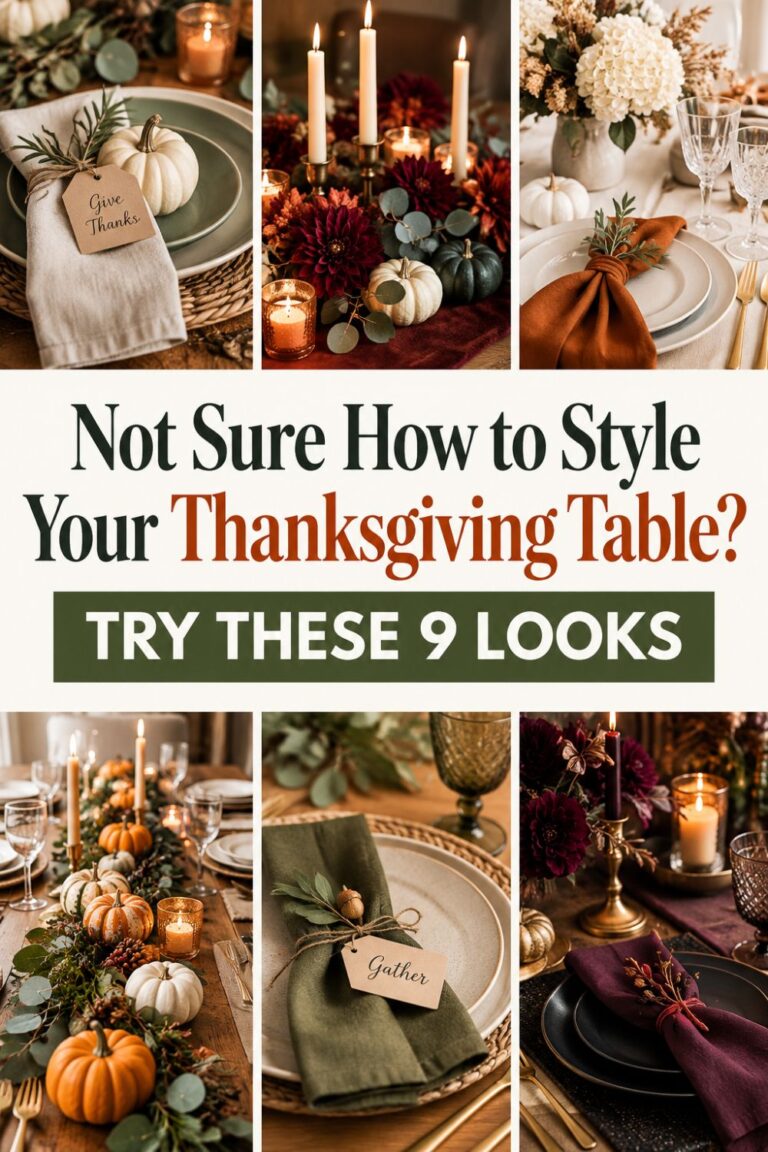
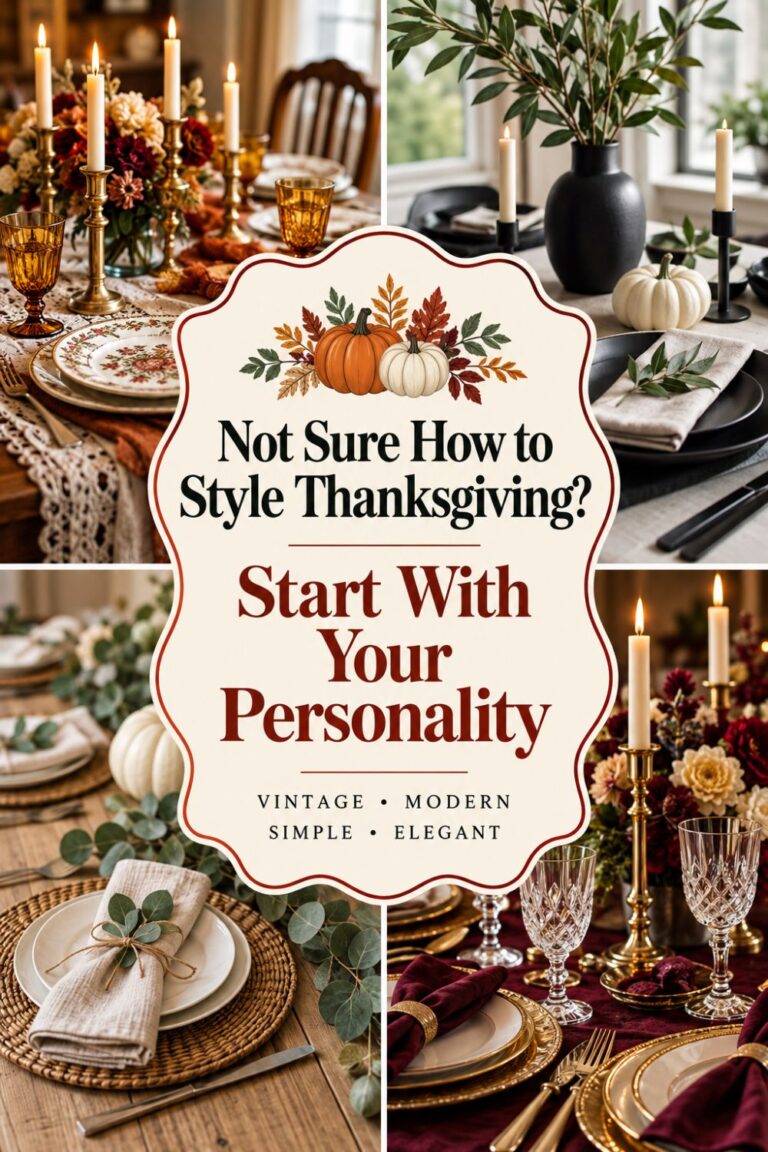


Where Beautiful Vintage Thanksgiving Tables Really Come From And What to Look for Secondhand
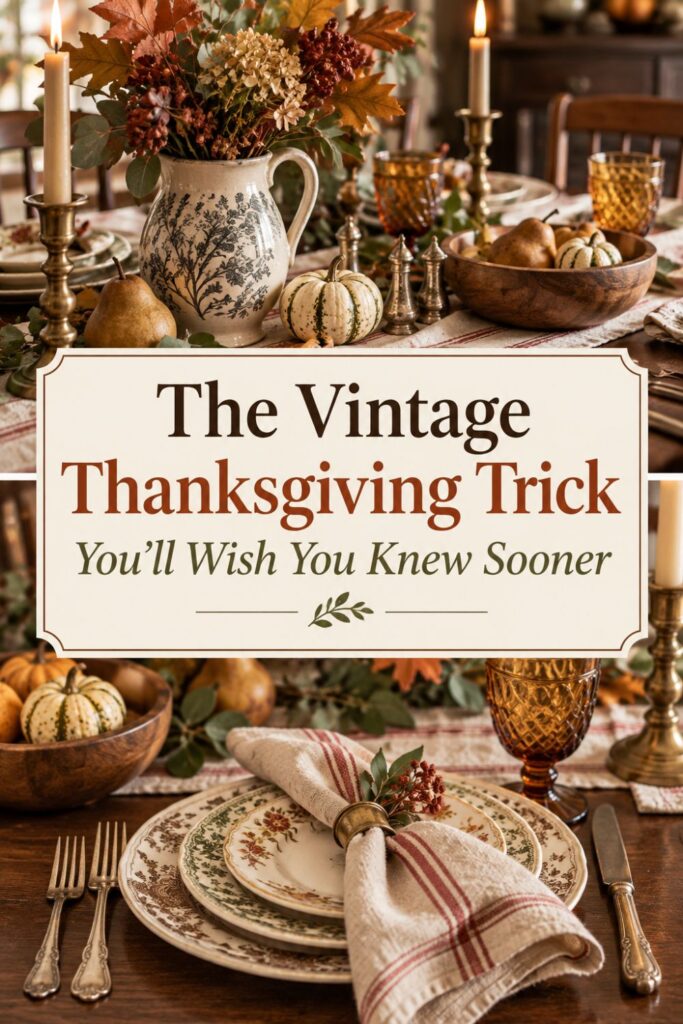
A beautiful Thanksgiving table does not have to begin with a shopping cart full of matching plates, brand-new linens, and seasonal decor. Some of the warmest tables are built from things that already have a history: your grandmother’s serving bowl, mismatched glasses from a thrift store, a slightly faded linen runner, or brass candlesticks that have been sitting in a cupboard for years.
Vintage Thanksgiving tablescapes work especially well because Thanksgiving is already a holiday rooted in gathering, tradition, and memory. Pieces do not need to match perfectly to belong together. In fact, a little variation often makes the table feel warmer and more personal.
The trick is making those different pieces look intentionally collected rather than randomly assembled.
Start by thinking about your table as a series of layers. You need a base, place settings, something running through the center of the table, a focal point, and a few repeated details that pull everything together. Once those basic jobs are filled, you may discover that you need far less new decor than you expected.
A few simple rules make the process easier:
- Begin with what you own: Look at inherited dishes, old linens, serving pieces, glassware, baskets, pitchers, and candlesticks before shopping.
- Choose a visual direction: Vintage pieces feel more cohesive when they share an earthy fall palette or repeated material.
- Fill gaps secondhand: Shop specifically for the missing pieces instead of wandering through thrift stores hoping inspiration strikes.
- Mix rather than match: Repetition in color, shape, or placement can make different pieces feel like part of one collection.
- Keep the table functional: Your guests still need room to eat, talk, pass dishes, and set down a glass.
A vintage Thanksgiving table should feel like it came together over time. That is exactly what gives it character.
Need some help with style or organization? Drop on by our directories choc full of image coaches, organization coaches and minimalist coaches to help make your spaces beautiful. Or click here to have us match you to the best.
1. Start With the Vintage Pieces You Already Own
Before you visit a thrift store, antique mall, or weekend market, pull out everything you could potentially use on your Thanksgiving table.
If you want to get more from your life, and are looking for concrete action steps to get you there, check out our Request a Coach page. It’s a “cut the fence-sitting and take action” way to tackle your issues and actually find success. To get off the fence and start to take action, click or tap here.
This step is easy to skip because shopping feels like the fun part. But if you buy first and assess later, you can easily end up with more pieces that still do not solve what your table actually needs.
Start with your own cupboards, cabinets, storage bins, and family pieces. Do not limit yourself to things labeled as Thanksgiving decor.
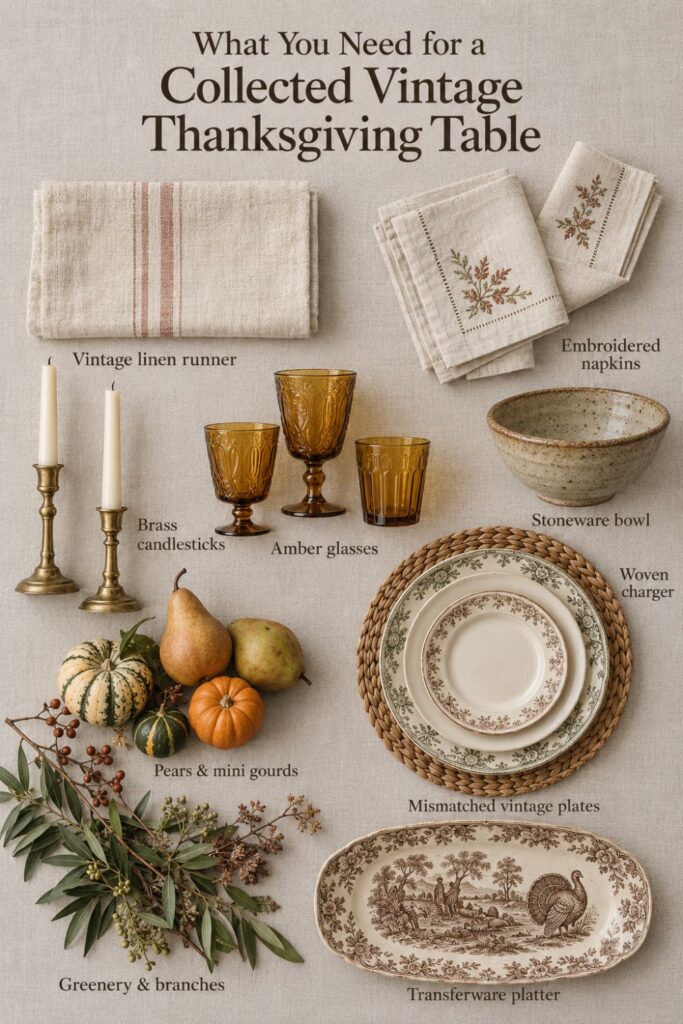
Look for:
- Dinner plates
- Salad or dessert plates
- Bowls
- Serving platters
- Serving bowls
- Pitchers
- Glassware
- Cloth napkins
- Tablecloths
- Embroidered linens
- Candlesticks
- Small baskets
- Crocks
- Silver or silverplate pieces
Once everything is out, stop thinking in terms of matching sets. Think about the job each object could do.
Sort pieces by function: Put dinnerware together, linens together, serving pieces together, and anything that could become part of a centerpiece in another group.
Choose one anchor piece: Pick the item that has the strongest personality. It might be an inherited transferware platter, amber drinking glasses, a floral tablecloth, or an old stoneware bowl.
That anchor gives you somewhere to start.
If your grandmother’s platter has brown, cream, and muted green in the pattern, those colors can guide the rest of the table. If you own brass candlesticks you love, warm metallics can become a repeating detail.
If you want to get more from your life, and are looking for concrete action steps to get you there, check out our Request a Coach page. It’s a “cut the fence-sitting and take action” way to tackle your issues and actually find success. To get off the fence and start to take action, click or tap here.
Next, count what you actually have.
You may discover you own eight dinner plates but only four napkins. Perhaps you have plenty of serving dishes but no low centerpiece vessel. Maybe your inherited china is beautiful but there are not enough matching pieces for every guest.
Write down the gaps: Turn those missing items into your secondhand shopping list.
Finally, take a quick photo of everything grouped together. Having a visual reference on your phone makes thrift shopping much easier because you can compare potential finds with what you already own.
2. Use an Earthy Fall Palette to Make Mismatched Pieces Work
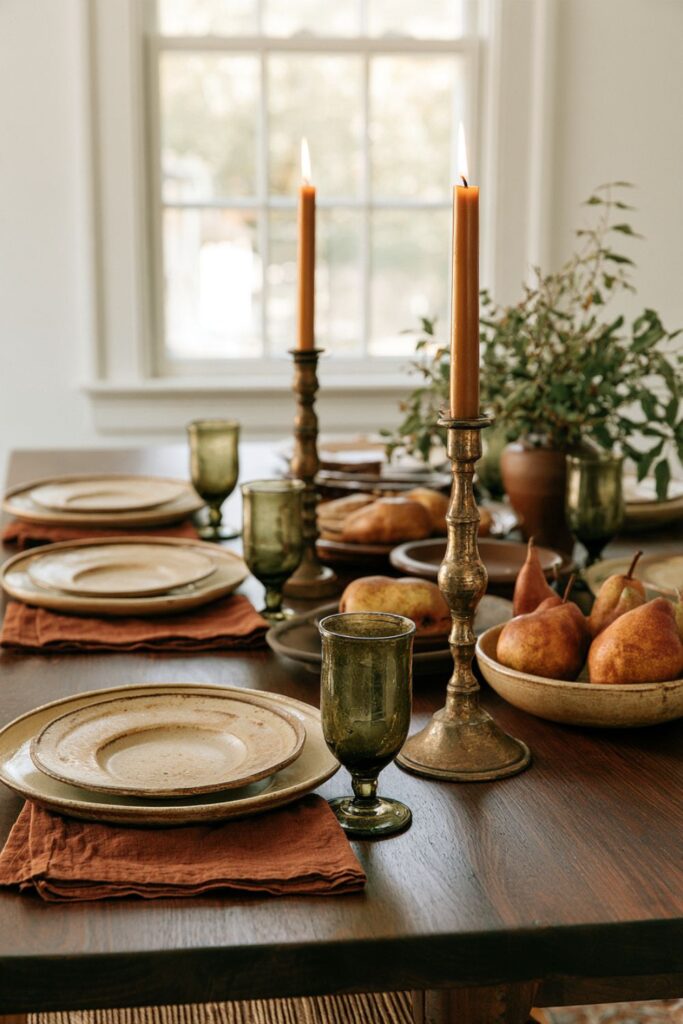
Mismatched vintage pieces become much easier to combine when you give them a shared color story.
For Thanksgiving, an earthy fall palette is especially forgiving. Rust, olive, brown, muted gold, cream, aged brass, and natural wood can connect pieces from completely different decades.
You do not need every color on the table. In fact, the table will usually look stronger if you choose only a few.
Pick three dominant colors: Start with a simple combination such as rust, olive, and brown. Cream, gold, brass, or natural wood can sit quietly in the background.
If you want to get more from your life, and are looking for concrete action steps to get you there, check out our Request a Coach page. It’s a “cut the fence-sitting and take action” way to tackle your issues and actually find success. To get off the fence and start to take action, click or tap here.
Use your existing vintage pieces to guide the decision.
If your inherited plates contain faded brown leaves, pick up that brown in the table runner or napkins. If you have olive-green glassware, repeat green in foliage or small centerpiece details.
Color repetition is what turns mismatched objects into a tablescape.
Repeat important colors at least twice: A single amber glass can look accidental. Amber glasses combined with warm candles and a honey-colored wooden bowl start to look intentional.
Age itself can also become part of your palette.
Tarnished brass, darkened silver, faded embroidery, crazed pottery, worn wood, and softened linen all bring visual texture. You do not need to polish every piece until it looks new. Gentle signs of age can be part of what makes the table interesting.
At the same time, vintage does not mean every old item automatically belongs.
Remove colors that dominate the table: If one bright blue plate pulls your eye away from everything else, leave it out even if you love it individually.
If you want to get more from your life, and are looking for concrete action steps to get you there, check out our Request a Coach page. It’s a “cut the fence-sitting and take action” way to tackle your issues and actually find success. To get off the fence and start to take action, click or tap here.
The goal is not to display every vintage object you own. The goal is to create one clear visual story.
Before adding any more decor, step back and look at your color balance. You should be able to identify your main palette quickly.
Once that foundation is working, mixing patterns, materials, and eras becomes far easier.
3. Build the Table From the Bottom Up With a Five-Layer Formula
A vintage tablescape can look wonderfully relaxed, but the easiest way to create that look is to work in a deliberate order.
Instead of placing objects wherever there is an empty space, build the table from the bottom up.
Use this five-layer formula:
- Base
- Runner
- Place settings
- Centerpiece
- Finishing details
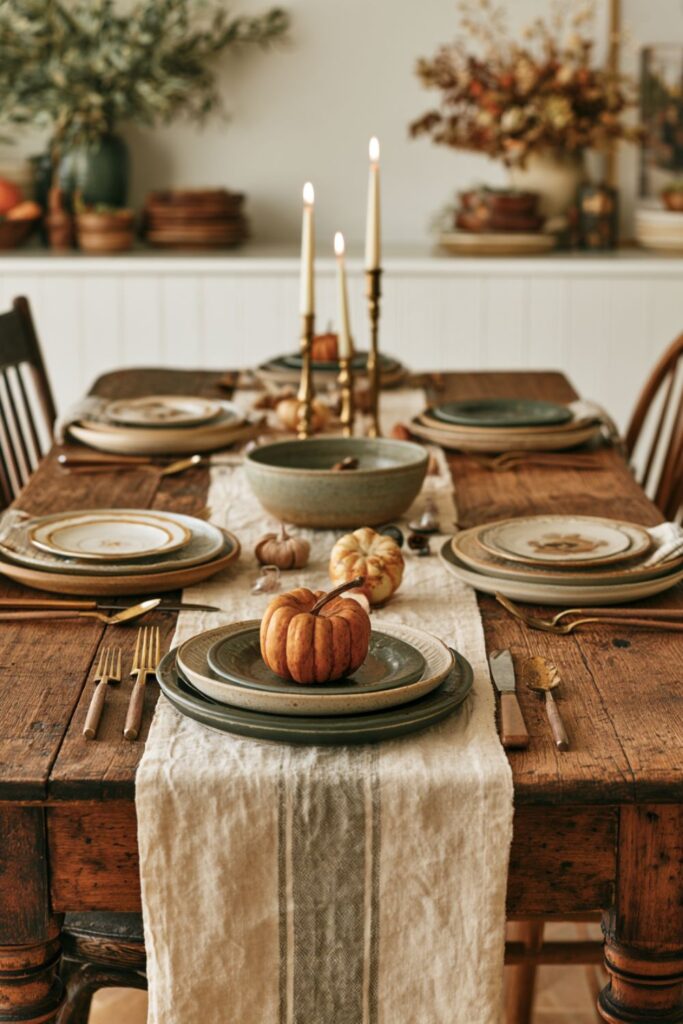
Choose your base first: Decide whether you want the table itself exposed or covered with a tablecloth.
A beautiful wood table can act as part of the rustic backdrop. If the tabletop is busy, damaged, or visually competing with your dishes, a simple cream, oatmeal, or muted linen cloth can create a calmer foundation.
If you want to get more from your life, and are looking for concrete action steps to get you there, check out our Request a Coach page. It’s a “cut the fence-sitting and take action” way to tackle your issues and actually find success. To get off the fence and start to take action, click or tap here.
Add the runner next: Think of the runner as the visual spine of your table. It gives centerpieces, candles, and decorative details a line to follow.
Then build your place settings.
Put down the plates, napkins, flatware, and glasses before creating the centerpiece. This keeps you from accidentally designing a beautiful center display that leaves no room for dinner.
Create one complete place setting first: If you are mixing several patterns, experiment with one seat until the layers feel balanced. Photograph it, then repeat the same structure around the table.
Once the functional pieces are in position, add the centerpiece.
Keep the centerpiece inside the available space: Work around serving dishes and sight lines rather than assuming the center of the table should be filled completely.
Finally, add small repeated details.
These might include:
If you want to get more from your life, and are looking for concrete action steps to get you there, check out our Request a Coach page. It’s a “cut the fence-sitting and take action” way to tackle your issues and actually find success. To get off the fence and start to take action, click or tap here.
- Short candles
- Tiny glass bottles
- Small pears or apples
- Sprigs of greenery
- Mini pottery vessels
- Simple place cards
- A repeated napkin fold
You do not need all of them.
The final layer should connect the table, not clutter it.
When you follow the same order every time, decorating becomes much easier. Instead of asking, “What else should I put here?” you are simply completing one layer before moving to the next.
4. Turn Old Linens Into a Table Runner Instead of Buying One
A table runner can instantly make a Thanksgiving table feel more intentional, but it does not have to be something sold as a table runner.
Vintage linen cupboards are full of possibilities.
You may already own an embroidered cloth, narrow tablecloth, dresser scarf, grain-sack-style textile, tea towels, or old fabric that can create the same effect.
Shop your linen cupboard first: Pull out anything long enough to run through the center of the table or anything that can be folded into a long strip.
A regular tablecloth can sometimes work beautifully when folded lengthwise. Two or three coordinated tea towels can also be arranged end to end, especially if the centerpiece hides the joins.
If you want to get more from your life, and are looking for concrete action steps to get you there, check out our Request a Coach page. It’s a “cut the fence-sitting and take action” way to tackle your issues and actually find success. To get off the fence and start to take action, click or tap here.
Do not worry if the fabric looks slightly worn.
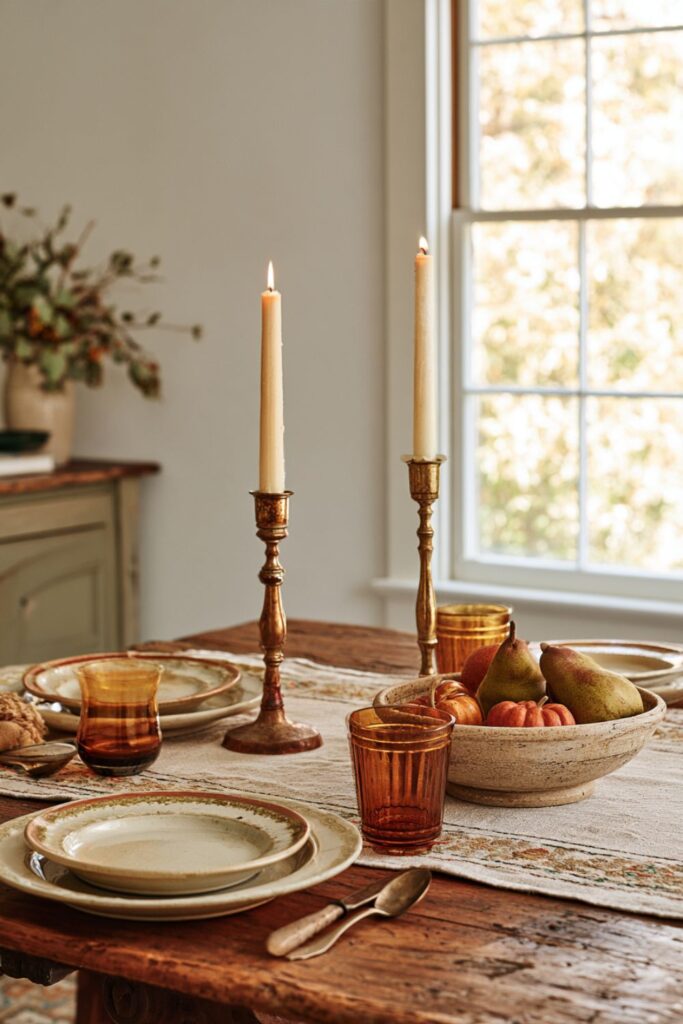
Use gentle wear as texture: Soft fading, old embroidery, linen wrinkles, or hand stitching can add the collected feeling that new seasonal fabric often lacks.
The important distinction is between aged and neglected. The textile should still be clean, pleasant to use, and appropriate near food.
Think about the rest of the table before choosing your runner.
If your dinnerware is heavily patterned, a quieter runner gives the eye somewhere to rest. If your dishes are mostly plain, an embroidered or floral textile can take on more of the visual work.
Balance pattern against pattern: Let either the dishes or the runner be the stronger element instead of asking both to compete.
Width matters too.
A runner that covers almost the entire table can start looking like an undersized tablecloth. You usually want enough visible table or base cloth on either side to clearly define the runner as a separate layer.
If you want to get more from your life, and are looking for concrete action steps to get you there, check out our Request a Coach page. It’s a “cut the fence-sitting and take action” way to tackle your issues and actually find success. To get off the fence and start to take action, click or tap here.
Before styling anything else, place the runner and stand back.
Does it create a strong center line? Does it support your earthy fall palette? Does it make the inherited pieces look more connected?
If the answer is yes, keep it. You may have just turned a forgotten linen into one of the most important elements on the table.
5. Mix Inherited and Thrifted Place Settings Without Making Them Look Random
One of the biggest advantages of vintage tableware is that you do not need enough pieces from one matching set.
The challenge is making the mix look deliberate.
The easiest solution is to decide what will remain consistent and what you will allow to change.
Choose one repeating element: Give every place setting at least one obvious thing in common.
That might be:
If you want to get more from your life, and are looking for concrete action steps to get you there, check out our Request a Coach page. It’s a “cut the fence-sitting and take action” way to tackle your issues and actually find success. To get off the fence and start to take action, click or tap here.
- The same dinner plate color
- The same napkin
- The same charger material
- The same glass shape
- The same flatware
- The same basic layering order
Once something repeats, you can be much freer with the other pieces.
For example, every guest might receive a simple cream dinner plate while the smaller vintage plates on top alternate between several floral patterns. Or you might use different plates but give every seat the same rust-colored napkin.
Vary one major layer at a time: Too many unrelated changes can make the table feel chaotic.
If you own two or three inherited china patterns, alternate them around the table in a sequence. Pattern A, Pattern B, Pattern A, Pattern B feels intentional. A random assortment with no repeated rhythm often does not.
Plain pieces are useful here too.
Balance ornate pieces with simple ones: Vintage floral china looks especially good beside clear glass, plain stoneware, simple linen, natural wood, or understated flatware.
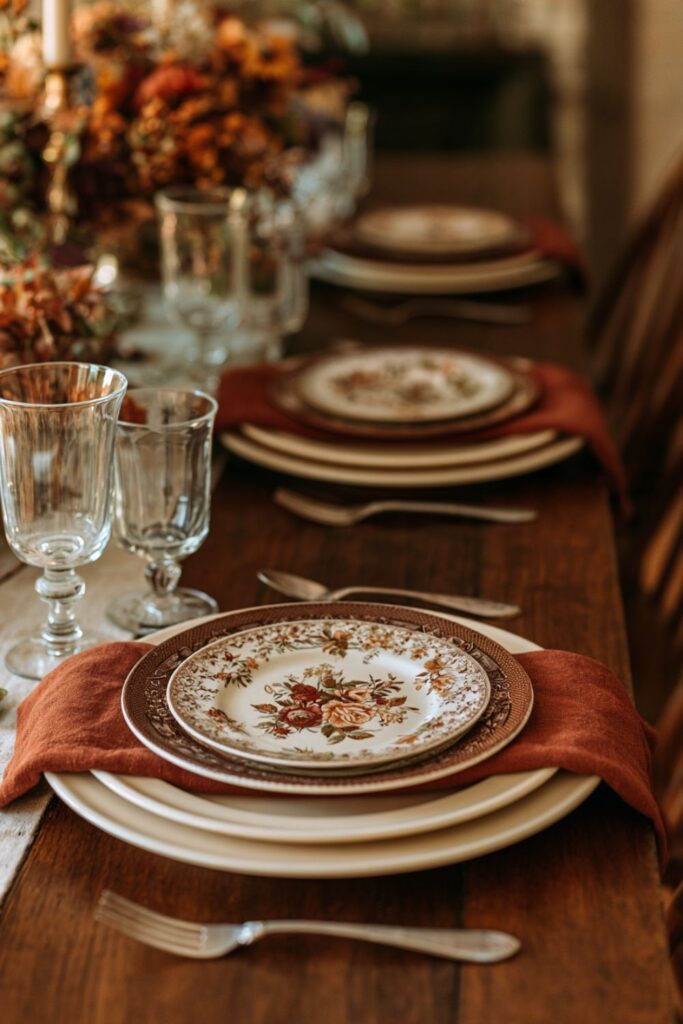
You do not need every layer to be decorative.
Before setting the whole table, build one place setting and look at it from both standing and seated height.
If you want to get more from your life, and are looking for concrete action steps to get you there, check out our Request a Coach page. It’s a “cut the fence-sitting and take action” way to tackle your issues and actually find success. To get off the fence and start to take action, click or tap here.
Ask yourself:
- Is there one obvious focal layer?
- Are the colors connected?
- Does anything feel overly busy?
- Would removing one piece improve it?
Once one setting works, use it as the template for the rest.
The final table does not need to be symmetrical in every detail. It simply needs enough repetition that the eye understands the differences are deliberate.
That is what turns a mixture of thrifted and inherited pieces into a collected tablescape.
6. Make a Vintage Centerpiece From Something That Was Never Meant to Be One
You do not need a dedicated Thanksgiving centerpiece.
In fact, some of the most interesting centerpieces begin with ordinary household objects that were designed for completely different purposes.
An old pitcher, crock, soup tureen, wooden bowl, basket, enamelware container, trophy cup, or stoneware vessel can become the focal point of the table once you change its job.
Choose a vessel with character: Start with an object that already works with the table’s vintage or rustic direction.
If you want to get more from your life, and are looking for concrete action steps to get you there, check out our Request a Coach page. It’s a “cut the fence-sitting and take action” way to tackle your issues and actually find success. To get off the fence and start to take action, click or tap here.
Look at material before decoration. A simple weathered bowl can be more useful than something covered in obvious Thanksgiving imagery because you can use it again throughout the year.
Next, choose what will go inside it.
You do not need an elaborate floral arrangement. Thanksgiving tables often look better with low, loose materials that echo the season.
Try combinations such as:
- Small branches
- Dried grasses
- Fall leaves
- Mini gourds
- Pears
- Apples
- Nuts in shells
- Herbs
- Small pumpkins
- Simple greenery
Keep the arrangement low: Your guests should be able to see one another across the table.
If one large arrangement feels too formal, use several smaller vessels instead. Three vintage bottles with branches can create more movement than one tall bouquet.
You can also create a low centerpiece by filling an old wooden bowl with pears, greenery, and a few nuts.
Repeat the centerpiece material elsewhere: If your centerpiece uses brass, include brass candlesticks. If it sits in stoneware, bring another pottery piece onto the table as a serving bowl.
If you want to get more from your life, and are looking for concrete action steps to get you there, check out our Request a Coach page. It’s a “cut the fence-sitting and take action” way to tackle your issues and actually find success. To get off the fence and start to take action, click or tap here.
That repetition makes the focal point feel connected.
Once the centerpiece is finished, resist the urge to keep adding.
If the table starts feeling busy, remove one type of decorative object rather than adding something else to “balance” it.
Vintage tables are most effective when the interesting pieces have enough room to be noticed.
7. Know Exactly What to Look For Secondhand
Secondhand shopping becomes much more productive when you stop looking for “Thanksgiving decor” and start looking for specific objects your table needs.
Begin with the gap list you created at home.
Perhaps you need four more dessert plates, a runner, two candlesticks, a serving bowl, or several matching glasses. That is a much better shopping list than simply writing “vintage Thanksgiving stuff.”
Shop for function first: Focus on items that can actually help you serve, style, or organize the table.
If you want to get more from your life, and are looking for concrete action steps to get you there, check out our Request a Coach page. It’s a “cut the fence-sitting and take action” way to tackle your issues and actually find success. To get off the fence and start to take action, click or tap here.
Useful categories include:
- Dinnerware
- Dessert plates
- Bowls
- Glassware
- Cloth napkins
- Table linens
- Serving platters
- Serving bowls
- Pitchers
- Candlesticks
- Baskets
- Small pottery vessels
Different secondhand sources are useful for different reasons.
Use regular thrift stores for basics: These are often good places to find individual plates, glasses, baskets, serving bowls, linens, and inexpensive candlesticks.
Try estate and garage sales for groups: When you need several related items, sales from one household may offer matching or coordinated sets that have stayed together for years.
Use antique malls for distinctive pieces: If the basic table is already complete, an antique mall can be useful for finding one stronger focal object such as an unusual platter, pitcher, or centerpiece vessel.
Local resale listings can also help when you know exactly what you want.
Search for the object rather than the finished aesthetic. Terms such as “amber glasses,” “brass candlesticks,” “embroidered tablecloth,” “brown transferware,” or “stoneware bowl” will usually narrow the hunt more effectively than “vintage Thanksgiving tablescape.”
And do not forget your family.
If you want to get more from your life, and are looking for concrete action steps to get you there, check out our Request a Coach page. It’s a “cut the fence-sitting and take action” way to tackle your issues and actually find success. To get off the fence and start to take action, click or tap here.
Ask before you buy: A relative may have unused dishes, serving pieces, linens, or silver stored away simply because nobody has asked about them.
Keep a photo of your current collection on your phone while shopping.
Before buying anything, compare it to what you already have. Does it fill a gap? Does the color work? Will you actually use it?
A good secondhand find should make the table easier to build, not simply give you another object to store.
8. Use the Old, Useful, Seasonal Test Before You Buy Anything
Vintage and thrift stores are dangerous places when everything feels like it could be “perfect for Thanksgiving.”
That is how a practical secondhand decorating project can quietly turn into another collection of seasonal clutter.
A simple decision filter keeps the shopping focused.
Before buying anything, ask whether the piece is old, useful, or seasonal.
If you want to get more from your life, and are looking for concrete action steps to get you there, check out our Request a Coach page. It’s a “cut the fence-sitting and take action” way to tackle your issues and actually find success. To get off the fence and start to take action, click or tap here.
Check the old factor: Does the object add genuine vintage character?
That character might come from its material, pattern, craftsmanship, patina, age, shape, or personal history. It does not necessarily need to be a valuable antique.
Check the useful factor: Can the item perform a real job?
A pitcher can hold flowers or drinks. A bowl can serve food. Candlesticks can be used throughout the year. A linen can become a runner. A basket can hold bread.
Useful pieces earn their storage space much more easily than single-purpose decor.
Check the seasonal factor: Does the color, texture, or shape support the Thanksgiving look?
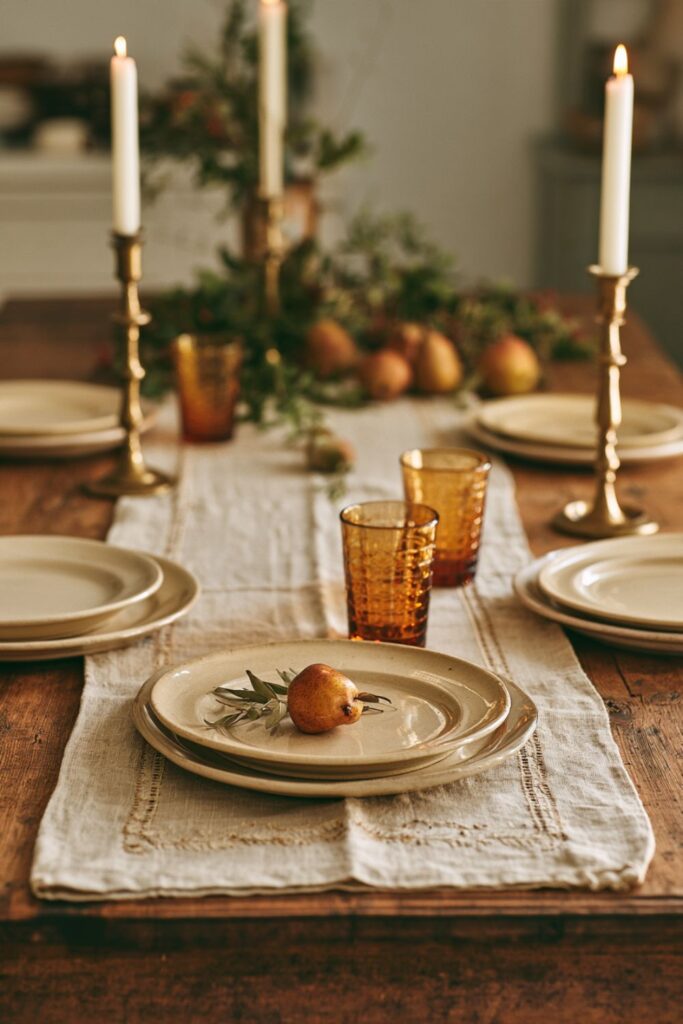
An amber glass is not technically Thanksgiving decor, but its warm color fits beautifully into an earthy fall table. A wooden bowl filled with pears can feel seasonal without having a turkey printed on it.
A simple rule can help:
If you want to get more from your life, and are looking for concrete action steps to get you there, check out our Request a Coach page. It’s a “cut the fence-sitting and take action” way to tackle your issues and actually find success. To get off the fence and start to take action, click or tap here.
Require at least two yeses before buying: If a piece is vintage and useful, it probably has long-term potential. If it is useful and seasonal, it may still deserve a place even if it is not particularly old.
Be more cautious with pieces that are only seasonal.
A plastic sign that says “Give Thanks” may fit the holiday, but if it is not especially beautiful or useful, it may simply become another item you store eleven months of the year.
Also give yourself permission to leave without buying anything.
Walking away from an almost-right piece is part of good secondhand shopping.
The best vintage table grows slowly because every addition has a reason to be there.
9. Assemble the Full Tablescape and Use the One Step Back Editing Trick
Once you have gathered your inherited pieces, secondhand finds, runner, place settings, and centerpiece, it is time to put the whole table together.
Start with function.
If you want to get more from your life, and are looking for concrete action steps to get you there, check out our Request a Coach page. It’s a “cut the fence-sitting and take action” way to tackle your issues and actually find success. To get off the fence and start to take action, click or tap here.
Place everything guests need first: Set out plates, flatware, napkins, glasses, and any serving dishes you already know will remain on the table.
This prevents a common decorating mistake: filling the entire center of the table and then realizing there is nowhere to put the food.
Next, build along the runner.
Keep decorative elements connected to the center line: Candles, small vessels, fruit, greenery, and other details should feel like parts of one arrangement rather than separate objects scattered across empty spaces.
Mix inherited and thrifted pieces across the table too.
Do not put all the family china at one end and all the thrifted items at the other. Distributing them naturally helps the entire table feel as though the collection has always belonged together.
Then use the editing trick.
Take one step back: Actually move several feet away from the table and look at the entire composition.
If you want to get more from your life, and are looking for concrete action steps to get you there, check out our Request a Coach page. It’s a “cut the fence-sitting and take action” way to tackle your issues and actually find success. To get off the fence and start to take action, click or tap here.
From close range, you notice individual objects. From farther away, you notice balance.
Look for:
- One area that feels too crowded
- A large empty patch
- A centerpiece that is too tall
- Too many objects of the same size
- One color dominating the table
- Decorative pieces crowding the place settings
If an area feels busy, remove something before adding anything else.
Take away the weakest layer: This might be an extra pumpkin, another candle, a small sign, or a decorative bowl that is not contributing much.
Finally, sit down at several different seats.
Can you see across the table? Can you reach your glass? Is there room to pass food? Does anything feel awkward from seated height?
A successful tablescape should still work when people arrive.
Beauty matters, but Thanksgiving dinner is the main event.
If you want to get more from your life, and are looking for concrete action steps to get you there, check out our Request a Coach page. It’s a “cut the fence-sitting and take action” way to tackle your issues and actually find success. To get off the fence and start to take action, click or tap here.
How to Keep Vintage Tableware Useful After Thanksgiving
One of the best reasons to decorate with vintage and inherited pieces is that most of them do not have to disappear the moment Thanksgiving is over.
A serving bowl is still a serving bowl in January. Brass candlesticks can move to a mantel. A vintage pitcher can hold flowers in spring.
Thinking beyond one holiday makes your collection more useful and keeps seasonal storage from growing unnecessarily.
Separate seasonal pieces from year-round pieces: After Thanksgiving, identify which items genuinely belong only to fall and which can return to everyday use.
Your everyday group might include:
- Clear or amber glasses
- Brass candlesticks
- Neutral linens
- Serving bowls
- Wooden platters
- Vintage pitchers
- Baskets
- Simple china
- Stoneware
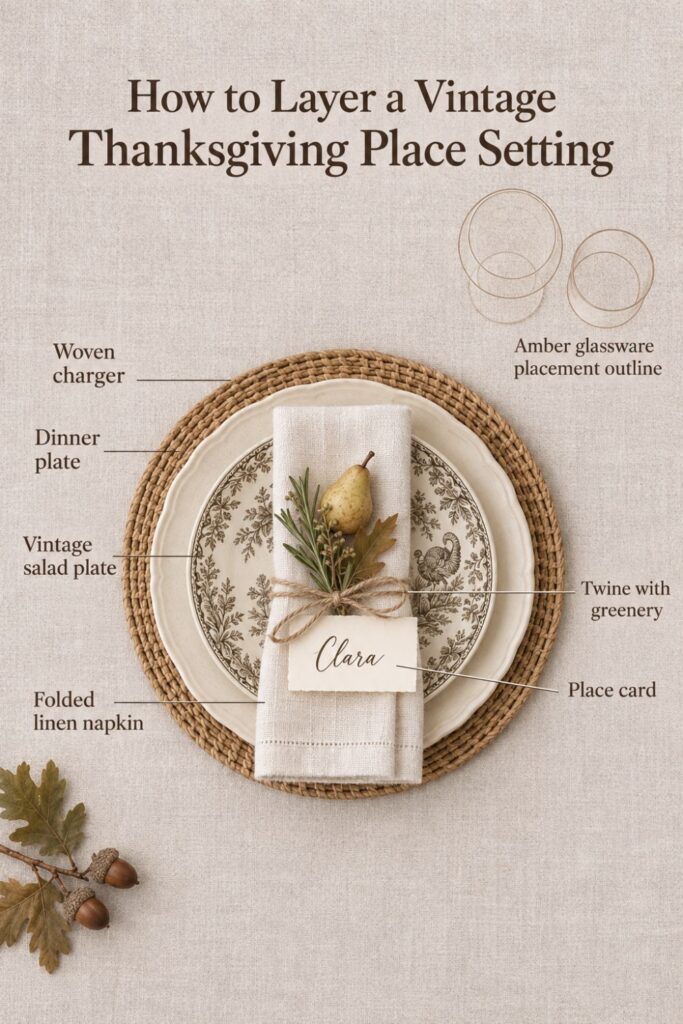
Create an entertaining collection: Instead of storing everything by holiday, consider keeping versatile table pieces together.
That gives you a ready-made collection for birthdays, dinner parties, Christmas, Easter, or casual family meals. You can change the mood through linens, flowers, candles, and small seasonal details instead of rebuilding the table from scratch.
Photos are useful too.
If you want to get more from your life, and are looking for concrete action steps to get you there, check out our Request a Coach page. It’s a “cut the fence-sitting and take action” way to tackle your issues and actually find success. To get off the fence and start to take action, click or tap here.
Record combinations that worked: Take an overhead photo and a few close-ups before clearing the table.
Next year, you will not have to remember whether the amber glasses looked better with the floral china or the plain stoneware. You will already have a visual record.
Inherited items may deserve another kind of record.
Write down the story: If you know a platter belonged to your grandmother or a tablecloth came from an aunt, attach a small note or keep the information with your stored linens.
Objects often survive longer than the stories attached to them.
Using inherited pieces is one way to keep those stories alive. Recording them helps make sure the next person who sets the table understands why those pieces matter.
How an Organizing Coach Could Help You Create a Reusable Holiday Decor System
There is one potential downside to falling in love with vintage and thrifted decor: it is very easy to keep collecting.
One bowl becomes three. Three candlesticks become twelve. Suddenly the charming secondhand table project has created a storage problem.
If you want to get more from your life, and are looking for concrete action steps to get you there, check out our Request a Coach page. It’s a “cut the fence-sitting and take action” way to tackle your issues and actually find success. To get off the fence and start to take action, click or tap here.
An organizing coach can be useful when the challenge is not styling the table but deciding what deserves space in your home.
Define what earns storage space: Create clear criteria for inherited, vintage, and seasonal pieces.
For example, you might keep an item if it is meaningful, regularly used, difficult to replace, or flexible enough to work in multiple seasons.
That helps separate “I love this” from “I feel guilty getting rid of this.”
Organize by function where possible: Instead of creating enormous bins for every holiday, group versatile pieces around how they are used.
You might have categories for:
- Entertaining linens
- Serving pieces
- Candlesticks
- Centerpiece vessels
- Seasonal accents
- Special family pieces
This makes it easier to see what you own before you shop again.
Set a physical collection limit: Decide how much cabinet, shelf, or bin space vintage tableware is allowed to occupy.
If you want to get more from your life, and are looking for concrete action steps to get you there, check out our Request a Coach page. It’s a “cut the fence-sitting and take action” way to tackle your issues and actually find success. To get off the fence and start to take action, click or tap here.
When the space is full, something has to leave before something new comes in.
You can also build a simple shopping rule into the system.
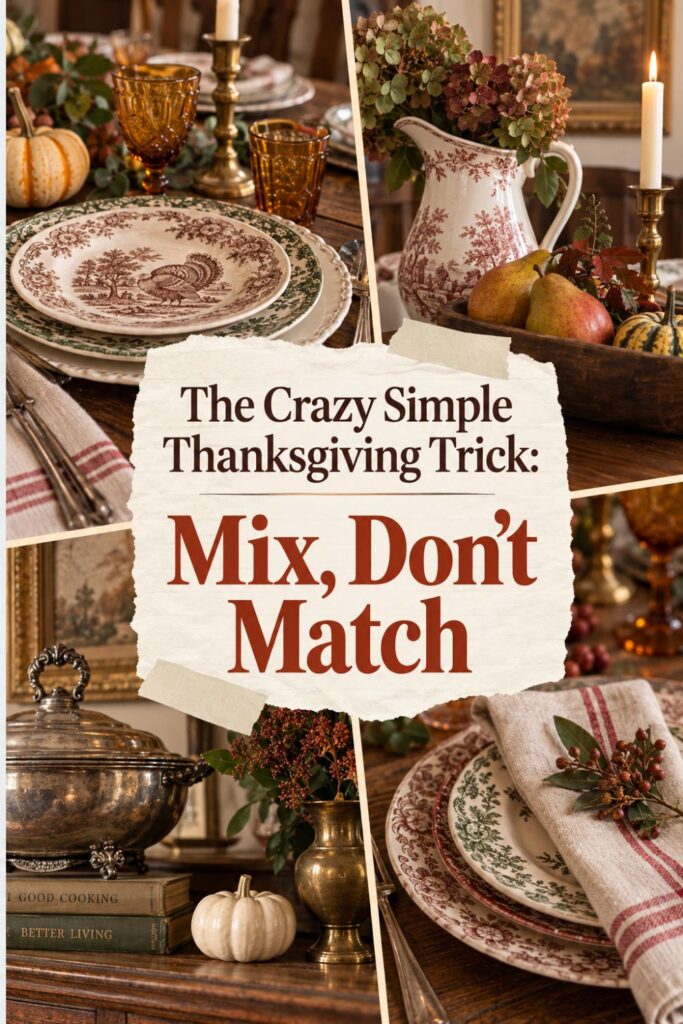
Use your gap list before thrifting: Do not shop simply because you feel like hunting for vintage decor. Check what the collection actually needs first.
After Thanksgiving, schedule a quick annual reset.
Photograph the tablescape, return versatile items to normal use, store the truly seasonal pieces, and make a note of anything that was genuinely missing.
That turns decorating into a repeatable system instead of a yearly cycle of buying, storing, and forgetting.
A Thanksgiving Table That Looks Collected Over Time
The most convincing vintage Thanksgiving tables do not look like someone bought everything on Tuesday and arranged it on Wednesday.
They feel layered.
If you want to get more from your life, and are looking for concrete action steps to get you there, check out our Request a Coach page. It’s a “cut the fence-sitting and take action” way to tackle your issues and actually find success. To get off the fence and start to take action, click or tap here.
There may be a platter that has been in the family for decades beside glasses found at a thrift store last month. An embroidered cloth might sit under a wooden bowl you normally use in the kitchen. Brass candlesticks might be mixed with plain everyday plates and a few pieces of patterned china.
That combination is the point.
Keep meaningful pieces visible: If an inherited bowl is important to you, give it a real role instead of surrounding it with so much seasonal decor that nobody notices it.
Use secondhand finds to fill gaps: Thrifting works best when it helps existing pieces function together.
You do not need to replace imperfect sets with better sets. You simply need enough plates, glasses, linens, and serving pieces to make the table work.
Repeat instead of matching: A consistent color, material, napkin, candle, or layering pattern can do more for cohesion than twelve identical place settings.
And keep usefulness in mind.
A vintage pitcher, wooden bowl, brass candlestick, or embroidered linen can create far more lasting atmosphere than something designed to be displayed for one specific holiday.
If you want to get more from your life, and are looking for concrete action steps to get you there, check out our Request a Coach page. It’s a “cut the fence-sitting and take action” way to tackle your issues and actually find success. To get off the fence and start to take action, click or tap here.
Most importantly, allow the table to evolve.
Maybe this year you use your grandmother’s platter for the first time. Next year you find six amber glasses. A few years from now, someone gives you an old linen that becomes the new runner.
That gradual layering gives the table something a store-bought set cannot reproduce.
It gives it history.
Your Thanksgiving table does not need to look perfect or professionally styled. It simply needs enough visual consistency to make the mismatched pieces feel intentional and enough breathing room to let their individual stories show.
Build from what you have. Fill the real gaps secondhand. Repurpose what can do another job.
Then let the table become a little more collected every year.
Need some help with style or organization? Drop on by our directories choc full of image coaches, organization coaches and minimalist coaches to help make your spaces beautiful. Or click here to have us match you to the best.
If you want to get more from your life, and are looking for concrete action steps to get you there, check out our Request a Coach page. It’s a “cut the fence-sitting and take action” way to tackle your issues and actually find success. To get off the fence and start to take action, click or tap here.
If you want to get more from your life, and are looking for concrete action steps to get you there, check out our Request a Coach page. It’s a “cut the fence-sitting and take action” way to tackle your issues and actually find success. To get off the fence and start to take action, click or tap here.
Read this next
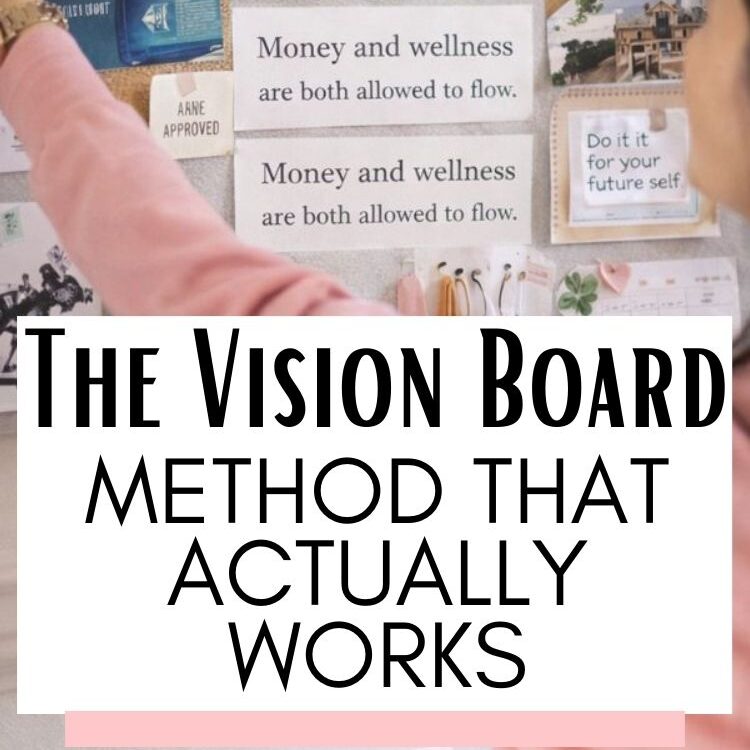
A Practical Way to Use Vision Boards for Manifestation
Use your vision board in a smarter, more practical way so manifestation feels clearer, calmer, and easier to follow every day.
Read More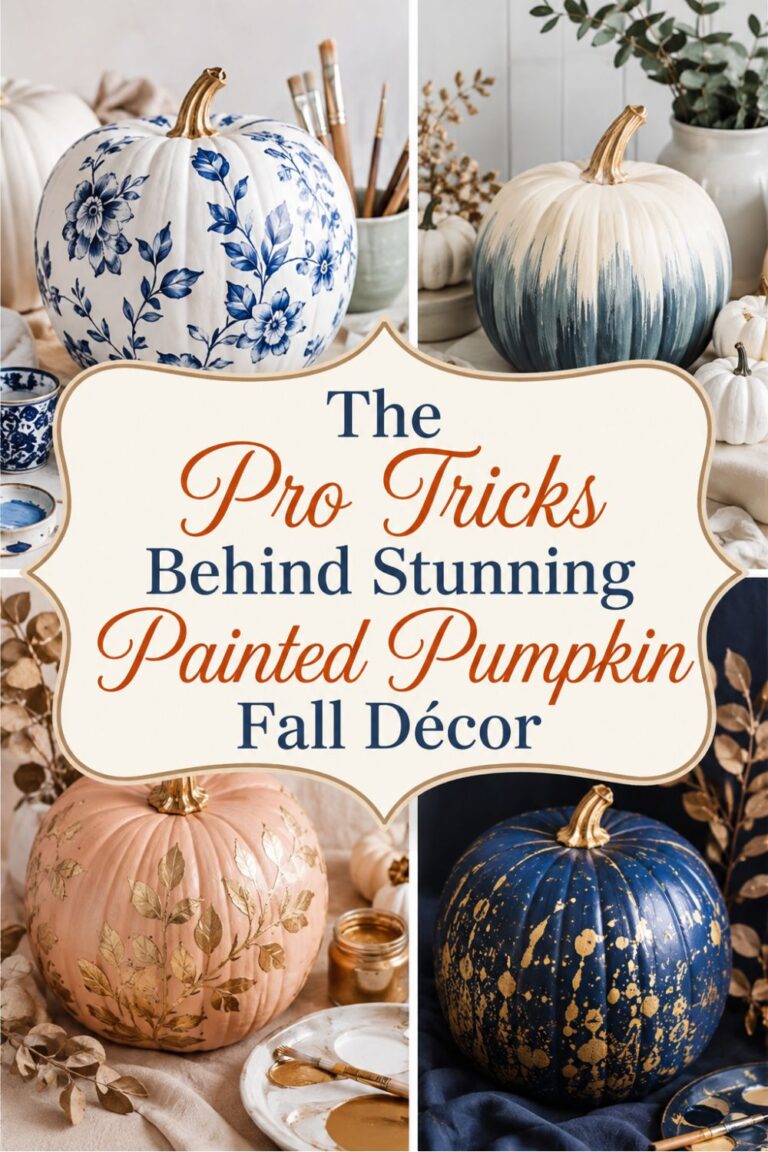
The Secret Techniques Professional Artists Use on Painted Pumpkins
Are you all about style, decor and organization? Download a copy of our Decluttering Workbook. **** Carving pumpkins might be the tradition, but painted pumpkins have taken over as the […]
Read More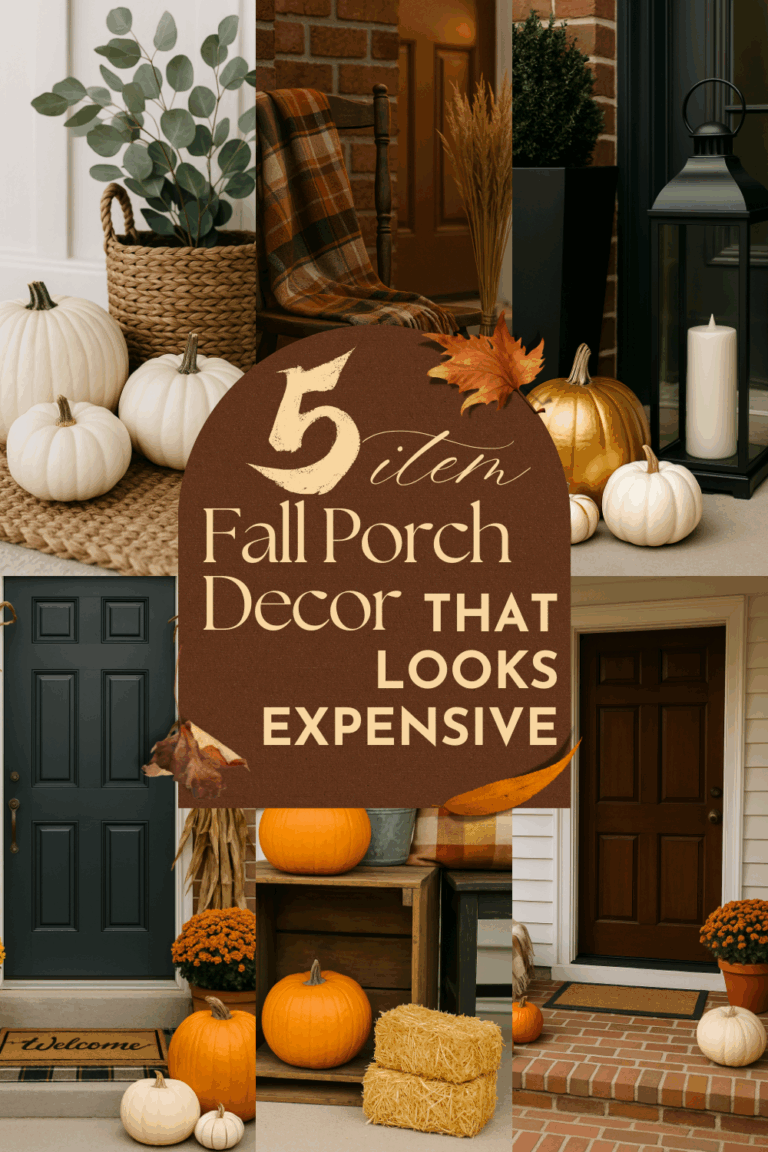
How to Craft an Expensive Looking Fall Porch With Only 5 Items
Create an expensive-looking fall porch with just 5 smart décor pieces. See the cozy setups that make autumn decorating feel easy.
Read More