


Talk to a coach about Career coaching

Dr Soraya Sawicki, DSW, CPC, RMT
DSW, CPC, CSC, RMT
Personalized wellness coaching for stress relief, energy, and inner harmony.

Robert Bradley Singleton
Certified Master Spiritual Life Coach, Neuropsychologist, and Existential Therapist
Train with the best to be the best you! Don't...

Crystal Faulk
ACC
I help overwhelmed women in transition gain clarity, confidence, and...

Charity Archie
Several Life Coaching Certifications-Intentional Holistic Life Coach
Charity Aumora dedicated to promoting a positive clear & intentional...

Vibeke Pedersen
Certified Life Coach / ThetaHealer®
Crush 2025
Candice Crosgrove
MA
Resilience coach helping individuals recover, rebuild, and reignite their purpose...

CELECIA DENICE JONES
N/A
I am a confident and positive women who believes in...

Rayana Tayler Starre
Certified Guiding Mindful Change Coaching, Certified Business Coach, Certified Human Design Analyst, BA Degree in Psychology, Master NLP Coach, BG5 Human Design Business Consultant, Certified Hypnotherapy Coach, Certified Timeline Therapy Coach
Career Transition/Business Coach, using Human Design, & NLP to fuel...


What to Wear to a Corporate Interview When the Dress Code Is Unclear

When “dress professionally” tells you almost nothing
Corporate interviews can be confusing because the phrase “dress professionally” covers a wide range of outfits. At one company, it means a full blazer-and-trouser look. At another, it means polished separates with simple shoes. At a third, people may show up in smart casual outfits that still feel serious and work-appropriate.
That uncertainty is what makes getting dressed feel harder than it should. You are not just trying to look good. You are trying to send the right message before you even shake hands, sit down, or answer the first question.
The goal is not to decode the company perfectly. The goal is to make a smart, informed decision that shows respect for the opportunity and confidence in your own judgment. When the dress code is unclear, the best outfit usually sits in a middle ground. It feels polished, deliberate, and interview-ready without looking stiff or theatrical.
A good interview outfit should communicate a few things right away:
- You understand professional context
- You can read a room
- You pay attention to details
- You know how to present yourself with maturity
- You can handle uncertainty without looking flustered
That is especially important in a corporate setting. Even if the office dresses more casually day to day, interviews tend to call for a slightly more elevated version of the norm. People expect effort. They expect neatness. They expect you to take the moment seriously.
This article will help you make that decision faster. Instead of guessing or overthinking, you can use a clear process to read the company, build a solid outfit, and adjust it with confidence. The result should feel like you, just in your most capable and polished form.
If you have ever stood in front of your closet wondering whether a blazer is too much or whether flats are too casual, this is the kind of decision guide that helps. You do not need a perfect answer. You need a strong one.
Need some style or career guidance? Drop on by our directories choc full of image coaches and career coaches to get your look and career on point. Or click here to have us match you to the best.
If you want to get more from your life, and are looking for concrete action steps to get you there, check out our Request a Coach page. It’s a “cut the fence-sitting and take action” way to tackle your issues and actually find success. To get off the fence and start to take action, click or tap here.
Read the company before you read your closet

Before you choose a blouse, trouser, or shoe, spend a little time reading the company. This is one of the easiest ways to reduce guesswork. A corporate interview outfit makes more sense when it reflects the kind of workplace you are walking into.
Start with the company’s public-facing materials. Their website, LinkedIn page, recruiter communication, event photos, and leadership headshots can tell you a lot. You are not looking for a single dress code rule. You are looking for patterns.
Pay attention to details like these:
- Do leaders wear suits, blazers, dresses, or open-collar shirts?
- Are photos formal and conservative, or more modern and relaxed?
- Does the office look traditional, sleek, creative, or hybrid?
- Are employees dressed in structured layers or softer casual basics?
- Does the brand feel old-school corporate or polished-modern?
This process helps you sort the company into a rough category. Most interview outfits get easier once you decide which of these feels closest:
- Traditional corporate: finance, law, executive admin, consulting, some large enterprise roles
- Polished modern corporate: many tech-adjacent companies, major brands, corporate marketing, HR, operations
- Relaxed but professional office culture: startups with structure, creative corporate teams, newer industries with office polish
You do not need to match their everyday wardrobe exactly. Interviews are different from regular workdays. Still, public clues help you choose your range. If everything looks crisp and conservative, go more classic. If the environment looks modern but still sharp, choose a softer version of business professional.
It also helps to read the tone of the people contacting you. A formal recruiter email, a multi-step interview schedule, and a downtown office often point toward a more elevated outfit. A short, casual message from a hiring manager may suggest a less rigid environment, though you should still lean polished.
Think of this step as gathering context, not chasing certainty. The company is giving signals even when they are not spelling things out. Once you notice those signals, your outfit decisions become much more grounded.
Build your safest core outfit first
When the dress code is unclear, start with a strong base. Do not begin with accessories or trend pieces. Build one solid core outfit that already looks appropriate before you add anything extra.
If you want to get more from your life, and are looking for concrete action steps to get you there, check out our Request a Coach page. It’s a “cut the fence-sitting and take action” way to tackle your issues and actually find success. To get off the fence and start to take action, click or tap here.
The safest interview outfits usually begin with one professional anchor piece. That anchor gives the outfit authority and structure. It creates the impression that you dressed with intention, not panic.

Strong anchors include:
- Tailored trousers in a neutral color
- A structured blazer
- A sheath dress or simple midi dress
- A matching jacket-and-trouser set
- A polished skirt with clean lines and professional length
Once you have your anchor, add a supporting piece that softens the look without weakening it. This is where you create balance. A corporate interview outfit should not feel severe unless the role is highly conservative. In most cases, clean and composed works better than rigid and overly formal.
Good supporting pieces include:
- A simple blouse with no fussy details
- A knit shell or fine-gauge sweater
- A neat button-front shirt
- A smooth, minimal top with clean neckline lines
A strong core outfit might look like this:
- Navy or black tailored trousers
- Ivory blouse or knit shell
- Matching blazer
- Closed-toe flats or low heels

Or:
- Structured midi dress in a neutral tone
- Blazer layered over it
- Sleek shoes and a professional bag
Or:
- Straight-leg trousers
- Fine knit top
- Loafers
- Simple earrings
- Blazer carried or worn depending on the office vibe
This stage matters because once your foundation is strong, the rest becomes easier. You are no longer trying to “make an outfit happen” with random pieces. You are refining something that already reads as competent.
If you want to get more from your life, and are looking for concrete action steps to get you there, check out our Request a Coach page. It’s a “cut the fence-sitting and take action” way to tackle your issues and actually find success. To get off the fence and start to take action, click or tap here.
Keep the palette simple. Black, navy, charcoal, cream, soft white, camel, and muted blue usually work well. These colors tend to look professional on camera, in person, and under office lighting. They also make it easier to mix textures and layers without the outfit getting visually busy.
When in doubt, choose cleaner lines over more personality. You can still look like yourself. The difference is that your most professional self is leading.
Use the one-step-more-polished rule

One of the best rules for unclear interview dress codes is this: dress one step more polished than what you think the office probably wears on a normal day. Not dramatically more formal. Just slightly more intentional.
This works because interviews are not regular workdays. Even in offices where people dress casually, candidates are usually expected to look more pulled together. Showing that extra level of effort rarely hurts you. In most cases, it signals sound judgment.
Here is what that looks like in practice:
- If the company seems business casual, wear polished business casual with structure
- If the company seems polished but modern, move closer to classic corporate
- If the company seems very formal, lean fully into business professional
The key is subtle elevation. You are not trying to look like you are headed to a board meeting unless that is genuinely the environment. You are simply choosing the more refined version of your likely options.
For example:
- Choose tailored trousers instead of casual ankle pants
- Choose a blazer instead of only a cardigan
- Choose loafers or low heels instead of sneakers or overly casual flats
- Choose a polished blouse instead of a casual knit tee
- Choose a structured bag instead of a soft tote that looks like an everyday carryall
This rule also helps calm the urge to overcorrect. A lot of people swing too far in one direction when they feel unsure. They either dress too casually because they do not want to seem out of touch, or too formally because they are afraid of getting it wrong. The better move is usually measured polish.
If you want to get more from your life, and are looking for concrete action steps to get you there, check out our Request a Coach page. It’s a “cut the fence-sitting and take action” way to tackle your issues and actually find success. To get off the fence and start to take action, click or tap here.
Ask yourself a few simple questions:
- Does this look more intentional than a regular office day?
- Would this still make sense if the office is slightly more formal than expected?
- Does this feel interview-ready without looking costume-like?

If the answer is yes, you are probably in a good place.
A little extra polish often reads as professionalism, not stiffness. Most interviewers understand that candidates are trying to make a respectful first impression. They are far less likely to judge you for wearing a blazer than they are to wonder why you looked too relaxed for the occasion.
Look authoritative without looking stiff
Authority in an interview outfit rarely comes from making the outfit more severe. It usually comes from structure, fit, and restraint. You do not need a harsh outfit to look capable. You need one that looks clear, intentional, and grounded.
This is where a lot of people get tripped up. They hear “corporate interview” and assume they need to look as formal as possible. But if the outfit feels rigid, uncomfortable, or overly styled, it can work against you. The goal is authority with ease.
Fit matters more than almost anything else. A simple outfit that fits beautifully will usually look stronger than a more formal outfit that pulls, bunches, or hangs awkwardly.
Focus on these areas:
- Shoulder fit in blazers and jackets
- Trouser length and hem line
- Sleeve length
- Waist definition, if the outfit benefits from it
- Neckline shape and whether it sits neatly
- Skirt or dress length when sitting and standing
Structure helps too. Clean lines naturally create presence. That might mean a blazer with shape, trousers with a sharp crease, a dress that skims rather than clings, or a shoe with a sleek silhouette.
If you want to get more from your life, and are looking for concrete action steps to get you there, check out our Request a Coach page. It’s a “cut the fence-sitting and take action” way to tackle your issues and actually find success. To get off the fence and start to take action, click or tap here.
To keep the outfit from becoming stiff, balance structured pieces with softer ones. A blazer can pair well with a knit shell. Tailored trousers can feel less hard with a fluid blouse. A simple dress can feel more modern with streamlined accessories and natural hair.
Try to avoid details that compete with the message:
- Loud prints
- Ruffles or overly romantic elements
- Distracting jewelry
- Extremely trendy cuts
- Very high heels
- Anything tight, sheer, or difficult to move in

Authority also comes from visual calm. When the outfit is not doing too much, you come forward more clearly. The interviewer notices your presence, not just your clothes.
Think of the outfit as support for your credibility. It should frame you well and help you feel composed. It should not feel like armor that makes you move differently or second-guess yourself.
The strongest interview looks often feel almost simple. That simplicity is what makes them powerful. They suggest maturity, self-awareness, and good professional instincts, which is exactly what most corporate interviewers want to see.
Finish the look with shoes, bag, and accessories that do not distract
Once your outfit is working, the finishing pieces should support it quietly. In interviews, accessories are not there to create excitement. They are there to complete the impression that you are polished, prepared, and detail-aware.
Shoes matter because they influence the tone of the whole outfit. They also affect how you move, which affects confidence more than people realize. If your shoes pinch, slip, click too loudly, or make walking awkward, you will feel it all day.
Reliable interview shoe options include:
If you want to get more from your life, and are looking for concrete action steps to get you there, check out our Request a Coach page. It’s a “cut the fence-sitting and take action” way to tackle your issues and actually find success. To get off the fence and start to take action, click or tap here.
- Closed-toe flats
- Loafers
- Low block heels
- Sleek ankle boots, if seasonally appropriate
- Simple pumps in a moderate height
The best choice is usually the one you can walk in naturally. Corporate interviews may involve more movement than expected. You might walk through an office, wait in a lobby, navigate elevators, or move between meetings.
Your bag should also send the right message. A structured tote, satchel, or simple handbag usually works better than anything slouchy, flashy, or overstuffed. It should look intentional and be large enough to hold what you need without becoming cumbersome.

Try to carry only essentials:
- Resume copies, if appropriate
- Notebook or padfolio
- Pen
- Phone
- Small makeup or grooming touch-up item
- Water, if needed before entering
Accessories should stay simple. The goal is neatness, not statement-making. Minimal jewelry often reads best because it adds finish without pulling focus.
A good accessory approach might include:
- Small earrings
- A watch
- A simple ring
- A slim belt if the outfit needs it
- One understated necklace if the neckline allows
Hair, nails, and grooming matter here too. They are part of the finish. You do not need to look overly done, but you do want to look neat and intentional. Clean hair, tidy nails, and a fresh overall appearance help the outfit feel complete.
This is also a good place to edit. If you are wondering whether an item is too noticeable, too trendy, or too casual, it probably is. Interview styling usually improves when you remove one thing rather than add another.
Adjust the outfit for the kind of corporate environment
Not all corporate interviews ask for the same kind of outfit. “Corporate” can mean very traditional, quietly modern, or somewhere in between. Once you understand that, it becomes easier to tailor your outfit to the type of company rather than relying on one generic formula.
If you want to get more from your life, and are looking for concrete action steps to get you there, check out our Request a Coach page. It’s a “cut the fence-sitting and take action” way to tackle your issues and actually find success. To get off the fence and start to take action, click or tap here.

More conservative industries tend to reward classic choices. Finance, legal environments, executive support roles, and certain large enterprise companies often expect cleaner structure and more traditional polish. In those settings, simple and formal usually works in your favor.
That often means:
- Blazer is strongly recommended
- Neutral colors feel safest
- Shoes should be polished and understated
- Jewelry should be minimal
- Silhouettes should be classic rather than trend-led
In a polished-modern corporate environment, you usually have more flexibility. You still need structure, but the outfit can feel a little softer or more current. This might apply to corporate marketing, internal communications, HR, brand teams, or newer companies with a refined but less rigid style.
That might look like:
- Tailored trousers with a knit top and blazer
- A simple midi dress with sharp flats
- Loafers instead of pumps
- A slightly more modern cut in your blazer or pants
- A softer color palette, as long as it still reads professional
Then there are office cultures that are fairly relaxed day to day but still expect interview polish. This can happen in startups, tech-adjacent teams, or flexible workplaces where employees do not wear formal office clothes regularly. Even there, the interview is a more elevated occasion.
A few ways to adapt without underdressing:
- Keep the blazer, but choose a less rigid one
- Use refined flats or loafers rather than the most formal heel
- Choose separates that are polished, not severe
- Let the outfit feel comfortable, but never casual
When in doubt, ask yourself what kind of professionalism the company values. Some workplaces value tradition and hierarchy. Others value judgment and modern polish. Both are still professional, but the visual language is different.
The smartest outfits respond to that difference. They do not chase fashion, and they do not copy everyday office wear too literally. They show that you understand the culture well enough to meet it with respect.
If you want to get more from your life, and are looking for concrete action steps to get you there, check out our Request a Coach page. It’s a “cut the fence-sitting and take action” way to tackle your issues and actually find success. To get off the fence and start to take action, click or tap here.
Test the outfit in real life, not just in the mirror
An outfit that looks good while standing still in your bedroom may not work nearly as well in a real interview. That is why a wear test matters. It helps you catch small problems before they turn into big distractions.
Try the outfit on well before interview day and move in it. Sit down, stand up, walk around, reach for a bag, and wear the shoes for a while. You are not just testing appearance. You are testing function, ease, and comfort.
Pay attention to common issues like these:
- Blouse gaping at the chest
- Skirt riding up when sitting
- Trousers dragging or bunching
- Shoes rubbing or slipping
- Jacket feeling tight across the back
- Fabric wrinkling badly after a few minutes of wear

Also check the outfit in different lighting. Natural light can reveal sheerness, lint, or awkward fit issues that indoor lighting hides. Office lighting can also make certain colors look harsher or duller than expected, so it helps to see how the whole outfit reads in a few conditions.
A smart pre-interview check includes:
- Trying the full outfit on with the exact shoes and bag
- Sitting for several minutes
- Walking at normal speed
- Looking at the outfit from the front, side, and back
- Checking whether anything feels distracting or fragile
- Making sure layers work with indoor temperature changes
This is also the time to think through logistics. If the interview requires a commute, think about whether your outfit will still look crisp after the trip. If you are taking public transportation, walking multiple blocks, or going through a hot parking garage, that matters.
Do not ignore comfort just because the outfit looks polished. Discomfort changes posture, facial expression, and focus. If you spend the interview thinking about your shoes or adjusting your jacket, that energy is leaving the conversation.
The best interview outfit is not just stylish and appropriate. It is stable. It lets you sit, move, and think without interruption. That stability creates confidence because you stop worrying about what you are wearing and start paying attention to the room.
If you want to get more from your life, and are looking for concrete action steps to get you there, check out our Request a Coach page. It’s a “cut the fence-sitting and take action” way to tackle your issues and actually find success. To get off the fence and start to take action, click or tap here.
Build a backup version in case you learn something last minute
One of the easiest ways to reduce interview outfit stress is to create a backup version of your look. That does not mean building two completely different outfits. It means creating two nearby versions of the same outfit so you can adjust quickly if new information appears.
This helps because dress-code clues sometimes show up late. You may get a more casual-feeling email from the hiring manager. You may see the office lobby before going in. You may notice employees arriving in clothing that looks more relaxed or more formal than expected.

Instead of panicking, make small shifts.
A good backup plan might look like this:
- Same tailored trousers and blouse
- Version one with blazer and low heels
- Version two with loafers and no blazer, or blazer carried
Or:
- Same structured dress
- Version one with a blazer
- Version two with a polished cardigan or lighter jacket
Or:
- Same core outfit
- One more formal shoe
- One softer shoe
- One more structured outer layer
- One lighter layer
The idea is flexibility without losing the message. Both versions should still read as polished and interview-appropriate. You are not building a safe option and a casual option. You are building a polished option and a slightly softer polished option.
This also helps if the interview format changes. A one-on-one meeting in an office conference room may call for one styling choice. A longer day with office touring and multiple team meetings may benefit from something a little more practical and comfortable.
If you want to get more from your life, and are looking for concrete action steps to get you there, check out our Request a Coach page. It’s a “cut the fence-sitting and take action” way to tackle your issues and actually find success. To get off the fence and start to take action, click or tap here.
Keep your possible swaps simple:
- Add or remove blazer
- Switch heel to loafer
- Change top from knit shell to blouse
- Replace a more formal bag with a simpler structured tote
- Adjust jewelry down, not up
A backup version gives you control. You stop feeling like you are trapped in one choice and start feeling prepared for more than one scenario. That mindset shift matters because it makes uncertainty feel manageable instead of overwhelming.
You may never need the second version. But knowing it is there often makes the first version easier to wear with confidence.

What if you still feel overdressed or underdressed?
Even with preparation, you might arrive and realize the office looks a little different from what you expected. That happens. The important thing is not to spiral when it does.
If you feel slightly overdressed, that is usually not a disaster in a corporate interview. In fact, it is often easier to recover from being a bit more polished than the office norm than from looking too relaxed. Interviewers generally understand that candidates are trying to make a strong first impression.
If this happens:
- Keep your posture relaxed
- Do not apologize for your outfit
- Let your demeanor make the look feel natural
- Remove outerwear if appropriate once settled
- Focus on the conversation, not the mismatch
If you feel slightly underdressed, stay calm. A polished attitude still carries a lot of weight. People notice grooming, confidence, clarity, and professionalism in behavior as much as in clothes. If your outfit is neat, clean, and thoughtful, you are not starting from zero.
In that situation, lean into what still works:
If you want to get more from your life, and are looking for concrete action steps to get you there, check out our Request a Coach page. It’s a “cut the fence-sitting and take action” way to tackle your issues and actually find success. To get off the fence and start to take action, click or tap here.
- Sit and stand with confidence
- Be especially organized and prepared
- Let your communication reinforce competence
- Avoid visibly fussing with your clothes
- Make your professionalism obvious through presence
Most of the time, the gap is smaller than it feels in your head. Interviews heighten self-consciousness. A difference that feels huge to you may barely register to anyone else, especially if the outfit still falls within a professional range.
It helps to remember what interview clothing is really doing. It is creating context for your credibility. It is not the whole story. Once the conversation begins, your judgment, clarity, and energy matter more than whether your blazer was a little more formal than the office average.
That is why calm matters so much. The moment you act embarrassed or thrown off, the outfit becomes more noticeable. When you stay composed, the outfit usually reads the way it was meant to: as a thoughtful professional choice.
Good judgment is not about getting every style cue exactly right. It is about handling uncertainty well. That includes how you recover when things are not perfectly aligned.

How a coach could help you stop solving this from scratch every time
If interview dressing feels hard every single time, the real issue may not be one outfit. It may be that you do not yet have a reliable system. This is where a career coach, executive coach, or image-focused coach can be genuinely useful.
A coach can help you step back and identify patterns. Maybe you always swing too formal because you are afraid of underdressing. Maybe you buy pieces that look good on the hanger but do not feel like you. Maybe your wardrobe has strong casual items and strong formal items, but very little in the polished middle.
That kind of outside perspective can help you build a more repeatable approach.
A coach might help you:
If you want to get more from your life, and are looking for concrete action steps to get you there, check out our Request a Coach page. It’s a “cut the fence-sitting and take action” way to tackle your issues and actually find success. To get off the fence and start to take action, click or tap here.
- Define your professional style baseline
- Identify which silhouettes make you look strongest
- Narrow down colors that photograph and wear well
- Build reliable outfit formulas for interviews
- Separate what feels polished from what only feels “dressy”
This can be especially helpful if you are changing industries, moving into more senior roles, or reentering the workforce after time away. In those moments, the dress code question is often tied to a larger identity question. You are not just asking what to wear. You are asking how to present the next version of yourself.
A strong coaching conversation can also connect wardrobe to mindset. Many people perform better when they know their outfit already supports the impression they want to make. They stop second-guessing and start focusing on content, delivery, and connection.
If you wanted to build a simple interview capsule, a coach could help you create a small set of pieces like:
- One strong blazer
- Two interview-ready tops
- One pair of tailored trousers
- One dress or skirt option
- One reliable pair of shoes
- One structured bag
That kind of system saves time and mental energy. Instead of reinventing your look for every opportunity, you refine a formula that already works.
The real benefit is consistency. When your wardrobe supports your goals, interview dressing becomes less about anxiety and more about readiness. That shift can change how you show up.
The real goal is to look ready for the room
Need some style or career guidance? Drop on by our directories choc full of image coaches and career coaches to get your look and career on point. Or click here to have us match you to the best.
When the dress code is unclear, it is easy to think the whole challenge is about clothing. But the real challenge is judgment. You are being asked, indirectly, to read a situation, make a decision, and present yourself with confidence. That is exactly what a good interview outfit should reflect.
You do not need to crack the code perfectly. You do not need the most expensive blazer, the trendiest shoe, or the most formal possible look. You need an outfit that says you understand the stakes, respect the setting, and know how to show up well.
If you want to get more from your life, and are looking for concrete action steps to get you there, check out our Request a Coach page. It’s a “cut the fence-sitting and take action” way to tackle your issues and actually find success. To get off the fence and start to take action, click or tap here.
A strong interview outfit does a few quiet things at once:
- It looks intentional
- It feels stable
- It fits the setting well enough
- It supports authority without looking forced
- It lets your words and presence stay central
That is why polished almost always beats dramatic. Calm almost always beats overly styled. And thoughtful almost always beats perfect.
If you read the company, choose a solid core outfit, add one level of extra polish, and test it in real life, you are already doing the important part well. You are approaching uncertainty with care instead of guesswork. That alone says something good about how you operate.
Clothing cannot get you the job by itself. But it can remove friction. It can help you feel prepared, capable, and settled enough to focus on the actual conversation. In a corporate interview, that matters.
So if you are standing there wondering whether your outfit is exactly right, step back and ask a better question. Does this look like someone who is ready for the room? Does it communicate competence, polish, and good judgment?
If the answer is yes, that is usually enough. And in many cases, it is more than enough.
If you want to get more from your life, and are looking for concrete action steps to get you there, check out our Request a Coach page. It’s a “cut the fence-sitting and take action” way to tackle your issues and actually find success. To get off the fence and start to take action, click or tap here.
Read this next
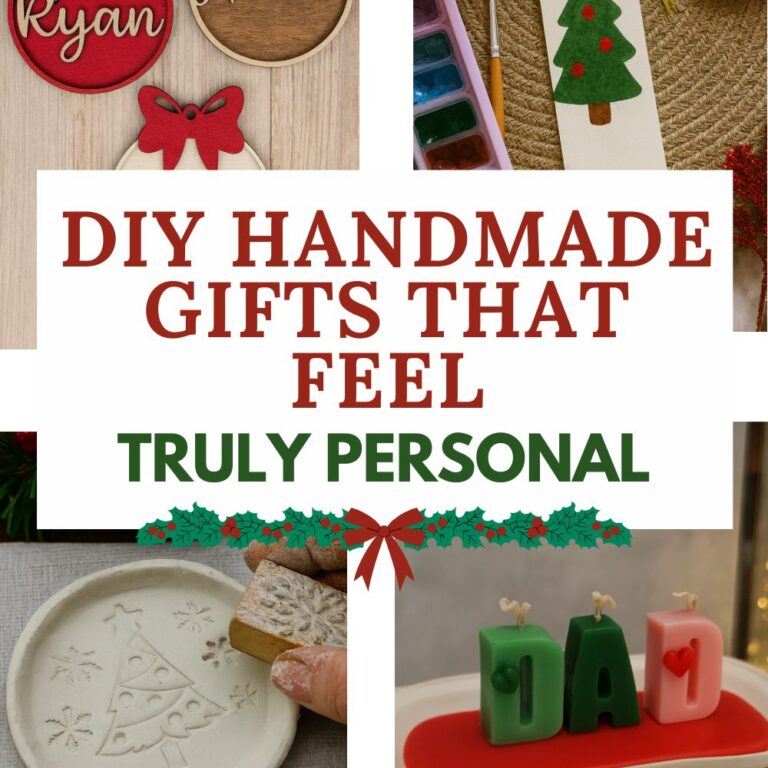
Thoughtful Handmade Gifts for Anyone Who Loves Sentimental Surprises
Some people don’t just appreciate gifts—they feel them deeply. They’re the sentimental souls who hold on to handwritten notes, the artistic thinkers who cherish tiny details, and the quiet observers […]
Read More
“I Want a Job Now”: Should You Consider an Interim Job?
It takes six months on average to find a job; should you consider a temporary assignment in the interim?
Read More
Get a Career Role Model
Find someone who did what you want to do, and do what they did. If you were driving, and someone told you a direct way to get to a […]
Read More