


Talk to a coach about Family coaching

Dr Soraya Sawicki, DSW, CPC, RMT
DSW, CPC, CSC, RMT
Personalized wellness coaching for stress relief, energy, and inner harmony.

A.C. Pickard
Emotion Mastery Coach | Creator of the M.A.S.T.E.R. Method™ | Certified Emotional Intelligence Life Coach | B.S. Social Sciences
Emotion Mastery Coach for thoughtful adults who know better and...

Bear Paddle Swim School
Swim Lessons
bearpaddle.com

Karen Stockham
I'm a licensed psychotherapist and Certified Clini-Coach with over 30 years of experience helping adults heal from trauma and family estrangement. Sign-up for a FREE 30-minute discovery call today.
I offer online coaching sessions for individuals, couples, and families.

Shaunna Rodriguez
Certified Christian Coach, Board Certified Mental Health & Wellness Coach, Ordained Minister.
Compassionate coach helping you heal, grow, and thrive with purpose.

Grace Baik
Certified Coach in Trauma healing, Nutrition, and Life Coaching
A holistic approach to unlocking cycles, healing, and walking in...

Tod Brown
BA in Psychology and Counseling / ADR Credentialed / Mental Health First Aid Certified / 20 Plus years of experience to share with you!
Public Speaking Coach Life & Family Coach / ADR Conflict...

Anna D Sobel
Masters in Early Childhood Education
Veteran educator helping you raise confident, capable learners with clarity...






Legacy Interview Gift Kit for Dads With Stories Worth Saving
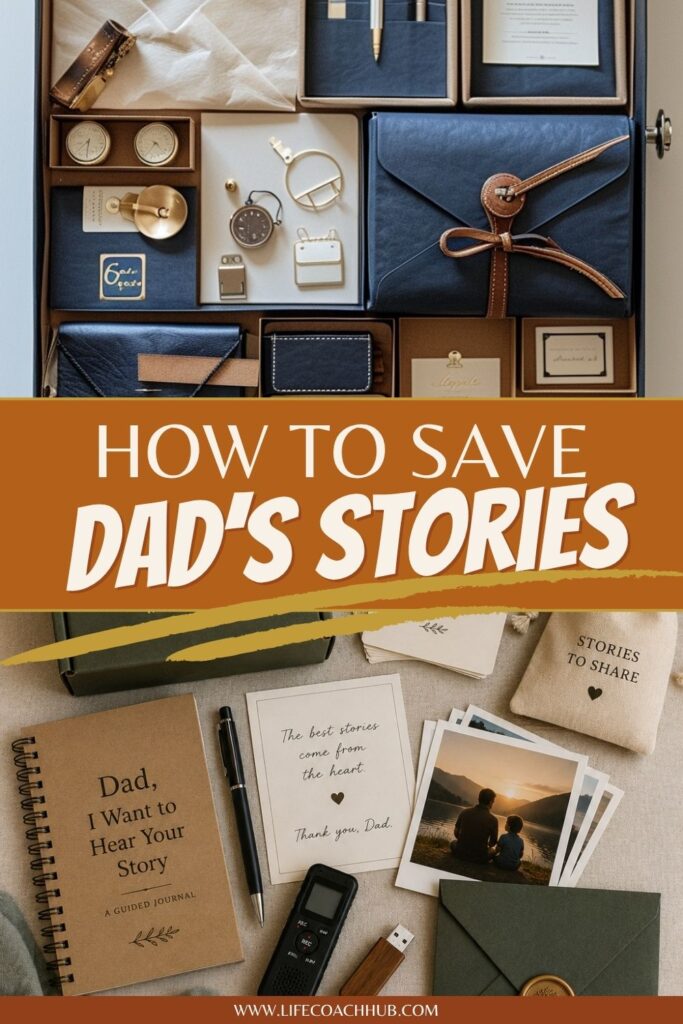
Some dads are hard to shop for because they do not really want more stuff. They already have the tools they like, the mug they use, the slippers they wear, and the drawer full of practical things nobody is allowed to touch. But that does not mean they are impossible to give something meaningful to.
A legacy interview gift kit is different because it is not built around what he needs to own. It is built around what only he can give back: his stories, his voice, his memories, his advice, and the little details the family might never think to ask about until much later.
This kind of gift works especially well for dads who light up when they talk about the old days, even if they pretend they do not. It is also beautiful for quieter dads who may not naturally sit everyone down and share their life story. The kit gives him a gentle reason to begin.
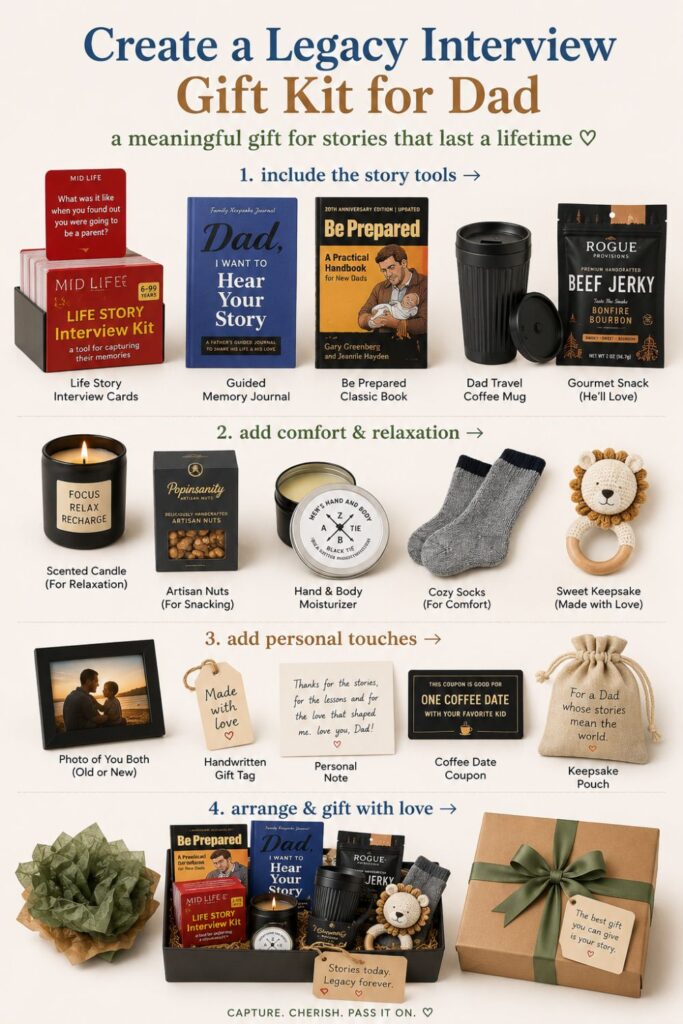
The goal is not to make the interview feel formal or dramatic. It should feel like an invitation. A warm box of prompts, notes, recording ideas, and simple keepsake pieces that make it easier for him to share what he remembers.
You can make the kit as simple or polished as you want. It could be a small envelope of question cards and a handwritten note. It could be a keepsake box with dividers, a notebook, printed prompts, a phone stand, and a folder for saving recordings.
The most important part is that it feels personal. This is not just “questions for dad.” It is a way to say, “Your life matters to us. We want to remember it in your words.”
Need some family guidance? Drop on by our directories choc full of family coaches to help make your love life the best it can be. Or click here to have us match you to the best.
Choose the Main Story-Saving Format
Before you buy anything or print anything, decide what kind of finished keepsake you want this gift to create. This step matters because the format shapes every other part of the kit. A dad who loves talking out loud may enjoy audio prompts. A dad who is private or reflective may prefer writing his answers slowly.
If you want to get more from your life, and are looking for concrete action steps to get you there, check out our Request a Coach page. It’s a “cut the fence-sitting and take action” way to tackle your issues and actually find success. To get off the fence and start to take action, click or tap here.
Pick the final keepsake style: Decide whether the finished memories will be audio recordings, video clips, handwritten answers, typed interview pages, printed cards, or a combination of several formats.
Audio is one of the easiest options because most phones already have a voice memo app. It captures his voice, his pauses, his laugh, and the way he tells a story. That makes it feel deeply personal without requiring much setup.
Video can be powerful too, especially if the family wants to preserve facial expressions, hand gestures, or the way he reacts while remembering something. But video can also feel intimidating for some dads, so only choose it if he will not feel like he is being filmed for a performance.
Written answers are wonderful for dads who like to think before speaking. They also create a beautiful physical keepsake. You can include a notebook, printed pages, or individual cards that can later be stored in a memory box.
Match the format to dad’s personality: Choose the method that feels easiest for him to actually use, not the one that looks most impressive as a gift.
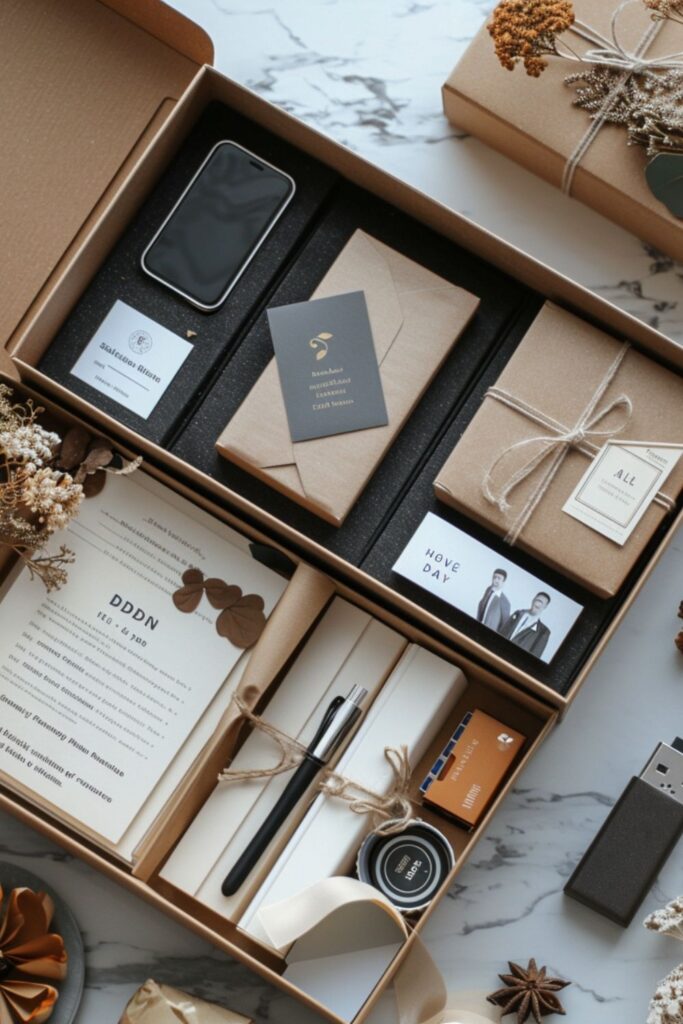
A simple combination often works best. For example:
- A few voice recordings for longer stories
- Written cards for short advice
- Printed family photos as memory prompts
- A folder or USB drive for saving everything
The kit should not make him feel like he has homework. It should make the first step feel easy enough that he might actually begin that same day.
Build a Question Set That Feels Personal Instead of Generic
The questions are the heart of the legacy interview kit. If they feel too broad, dad may give short answers. If they feel too formal, he may feel put on the spot. The best questions are specific enough to spark memories, but open enough to let him tell the story his own way.
If you want to get more from your life, and are looking for concrete action steps to get you there, check out our Request a Coach page. It’s a “cut the fence-sitting and take action” way to tackle your issues and actually find success. To get off the fence and start to take action, click or tap here.
Choose questions by life chapter: Organize the prompts into categories like childhood, family, work, marriage, fatherhood, friendships, lessons learned, funny memories, and advice for the future.
This helps the kit feel thoughtful instead of random. It also makes the interview easier because he does not have to jump from one emotional topic to another without warning. He can start with lighter memories, then move into deeper ones when he is ready.
Childhood questions might ask about where he grew up, what his home felt like, what he did for fun, or what he remembers about his parents. Fatherhood questions might ask what surprised him about raising kids, what he worried about, or what moments he still thinks about years later.
Work questions can bring out stories the family may not know. Ask about his first job, a boss who taught him something, a mistake he never forgot, or a moment when he felt proud of what he had built.
Keep each question easy to answer: Use prompts that invite a story instead of questions that can be answered with yes or no.
Good prompts might include:
- What was a normal day like when you were a kid?
- What is one family story you hope we keep telling?
- What did you think being a dad would be like?
- What is something you learned the hard way?
- What is a piece of advice you wish you had heard sooner?
- What is one moment with your kids that still makes you smile?
You do not need hundreds of questions. In fact, too many can make the kit feel overwhelming. Start with 30 to 50 strong prompts, sorted into simple sections, and leave space for the family to add more later.
Add Recording Prompts That Make It Easier To Begin
Even a dad who loves telling stories may freeze a little when handed a formal interview kit. That is why recording prompts are so useful. They make the first step obvious and remove the awkwardness of figuring out how to begin.
If you want to get more from your life, and are looking for concrete action steps to get you there, check out our Request a Coach page. It’s a “cut the fence-sitting and take action” way to tackle your issues and actually find success. To get off the fence and start to take action, click or tap here.
Create a simple recording guide: Include one card that explains exactly how to record, where to sit, how long to talk, and how to save the file afterward.
The guide should feel casual. You do not want it to sound like instructions for a complicated tech project. A good note might say something like, “Pick one question, open the voice memo app, and talk for five minutes. No perfect answer needed.”
Short recordings are much easier to start than long ones. If dad thinks he has to record his whole life story in one sitting, he may avoid it completely. If he only needs to answer one question after dinner, it feels doable.
Remove the pressure to perform: Suggest short answers of 3 to 10 minutes so the project feels like a conversation instead of a speech.
You can also include a few “starter lines” to help him begin. Some people find it much easier to talk when the first sentence is already there.
Try prompts like:
- “The first thing I remember about that time is…”
- “I did not realize it then, but…”
- “One thing people might not know about me is…”
- “When I think about being a dad, I remember…”
- “If I could tell my family one thing, it would be…”
If the family will be interviewing him, include a few interviewer reminders too. Encourage them to ask follow-up questions like “What happened next?” or “How did that feel at the time?” Those small nudges often bring out the best details.
The point is not perfect audio. The point is his real voice, telling real stories, in a way that feels natural enough to continue.
If you want to get more from your life, and are looking for concrete action steps to get you there, check out our Request a Coach page. It’s a “cut the fence-sitting and take action” way to tackle your issues and actually find success. To get off the fence and start to take action, click or tap here.
Include The Right Tools Without Making The Kit Feel Technical
A legacy interview kit does not need fancy equipment. In fact, too many tools can make the gift feel more complicated than meaningful. The best supplies are the ones that help dad tell stories, save them safely, and keep everything organized.
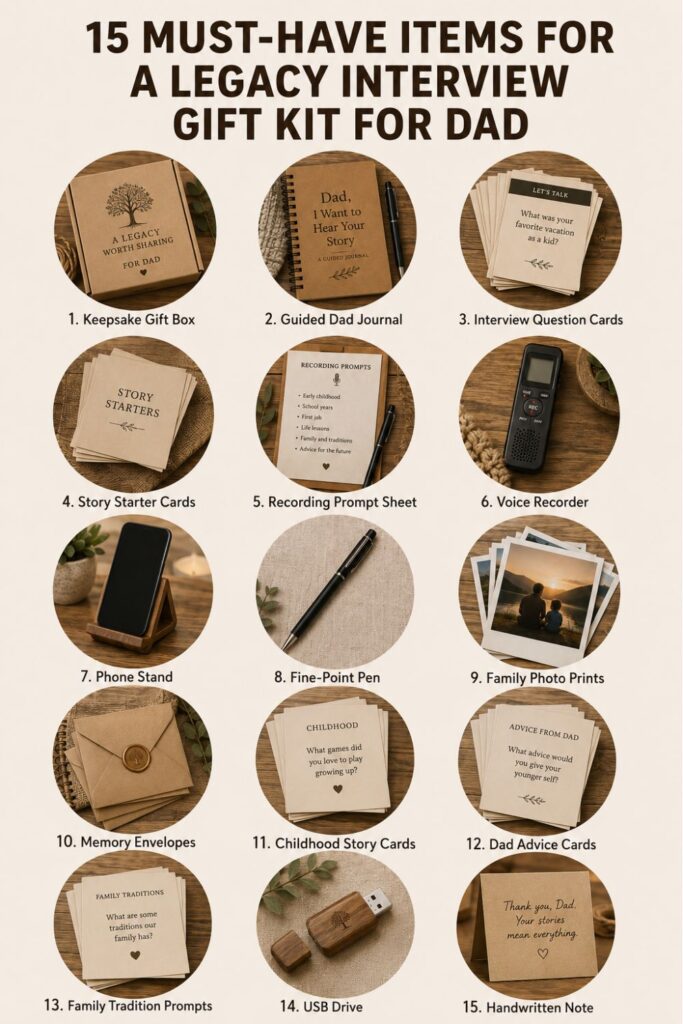
Add only what helps the story happen: Include simple pieces like printed question cards, a small notebook, a good pen, a phone stand, voice memo instructions, a USB drive, envelopes, labels, or a folder for storing finished pages.
Think of the tools as gentle support. The notebook gives him a place to jot memories before recording. The question cards give him a place to start. The folder or box gives the finished stories somewhere to live.
A phone stand can be helpful if you are including video prompts, but it is not required. A USB drive can be useful for storing audio files, but you can also use a shared digital folder. If dad is not comfortable with digital tools, keep that part in someone else’s hands.
Avoid overloading the gift: Keep the kit focused on memories, not gadgets, so dad feels invited instead of assigned a project.
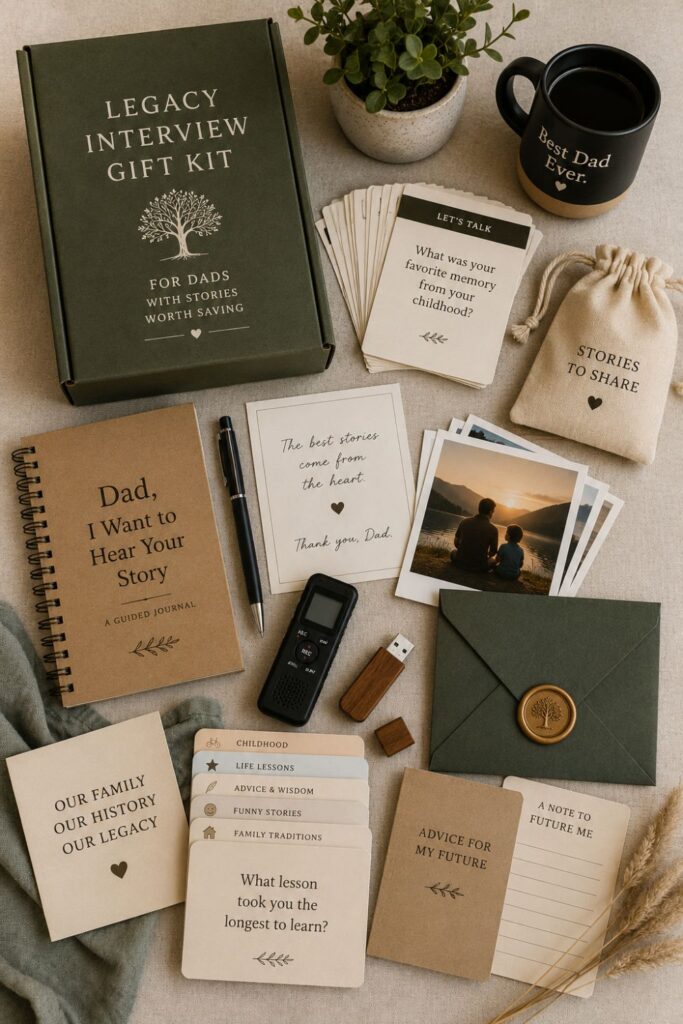
A strong basic kit might include:
- A keepsake box or sturdy folder
- 30 printed question cards
- 10 blank cards for family questions
- A notebook for longer memories
- A pen that feels nice to use
- A one-page recording guide
- A small envelope labeled “First Stories To Record”
- A handwritten note explaining the gift
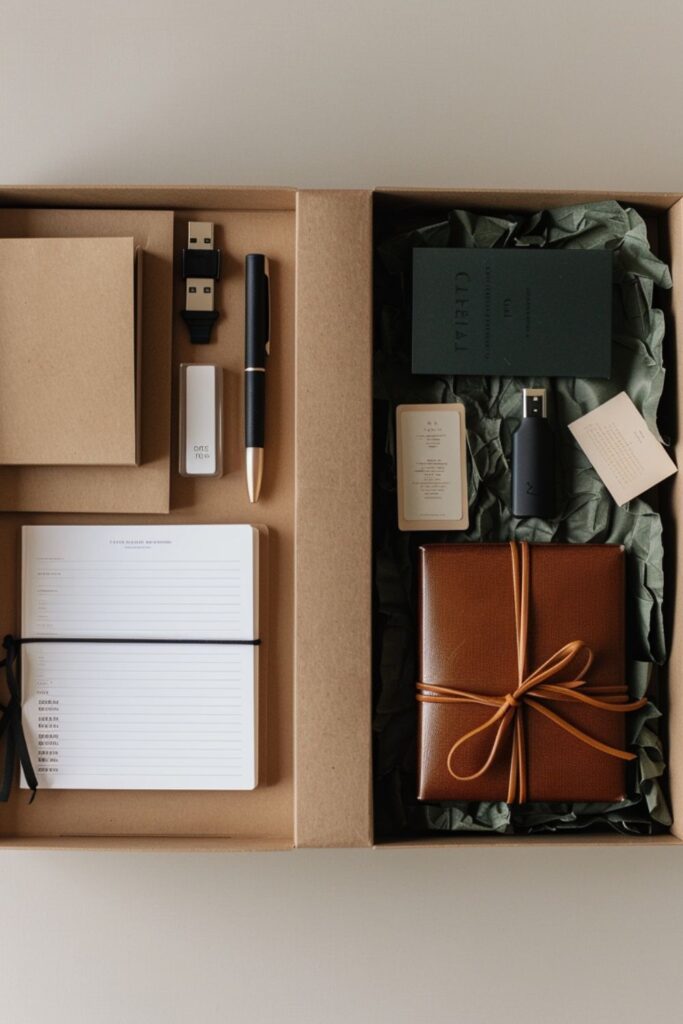
Presentation matters here, but only because it helps the gift feel cared for. You do not need expensive materials. A simple kraft box, cream cards, handwritten labels, and a few family photos can feel more emotional than anything store-bought.
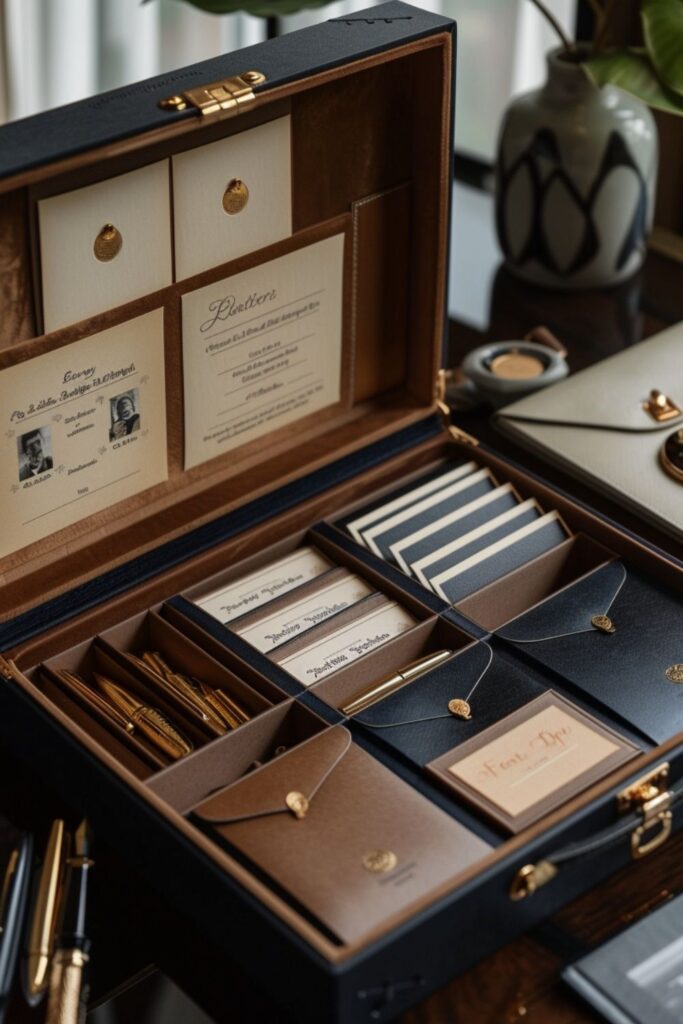
Keep asking yourself one question: will this make it easier for him to share? If the answer is yes, include it. If it only makes the kit look busier, leave it out.
If you want to get more from your life, and are looking for concrete action steps to get you there, check out our Request a Coach page. It’s a “cut the fence-sitting and take action” way to tackle your issues and actually find success. To get off the fence and start to take action, click or tap here.
Create A Cozy Interview Moment
The kit itself is only one part of the gift. The first real interview moment is what turns it from a thoughtful idea into an actual memory. If you can, include a plan for that first conversation right inside the box.
Set up the first conversation for him: Add a “starter interview” card with five easy questions and a suggested time, such as after dinner, during coffee, or on a quiet weekend afternoon.
This keeps the gift from becoming something everyone loves in theory but never actually uses. The first session should feel simple and short. Do not try to cover his whole life right away. Start with questions that are easy, warm, and likely to bring out stories.
For example, the first card could include:
- What was your childhood home like?
- What did you love doing when you were young?
- What is one funny thing your kids did that you still remember?
- What was your first job like?
- What is one lesson life taught you early?
These questions are not too heavy, but they open the door. Once he starts talking, more stories may come out naturally.
Make the setting feel natural: Choose a place where dad already feels relaxed, so the conversation feels like talking instead of being interviewed.
That might be the kitchen table, the porch, the garage, the living room, or the car during a quiet drive. Some dads open up more when they are doing something with their hands, like sorting tools, grilling, walking, or looking through old photos.
Do not make the moment too staged. A phone recording on the table is enough. Let there be coffee cups, background laughter, or little pauses. Those details may become part of what makes the recording feel real.
If you want to get more from your life, and are looking for concrete action steps to get you there, check out our Request a Coach page. It’s a “cut the fence-sitting and take action” way to tackle your issues and actually find success. To get off the fence and start to take action, click or tap here.
The best interviews often happen when nobody is trying too hard. Start with one question. Listen well. Let him wander a little. Sometimes the story you did not plan for becomes the one everyone treasures most.
Add Memory Prompts That Bring Out Details He Might Forget To Mention
People do not always remember their best stories when asked directly. Sometimes a photo, object, song, or familiar phrase brings a memory back more quickly than a question does. That is why memory prompts can make the kit much richer.
Use objects as story triggers: Include prompts connected to photos, old tools, recipes, places, songs, family sayings, hobbies, or meaningful objects from dad’s life.
For example, if he always had a certain toolbox, include a card that says, “Tell us about something you fixed that you were proud of.” If he loved a certain song, ask what it reminds him of. If there is an old family recipe, ask who made it first and what the kitchen felt like.
Photos are especially helpful. You can tuck a few printed photos into the kit and pair each one with a question. A picture of him as a young man might prompt stories about his dreams then. A photo with his kids might bring up a memory nobody else remembers.
Ask for sensory details: Add prompts that ask what things looked like, sounded like, smelled like, or felt like so the stories become more vivid.
Instead of only asking, “What was your childhood like?” try asking:
- What did your neighborhood sound like in the evening?
- What did your childhood kitchen smell like?
- What did your dad or mom say all the time?
- What did your first car look like?
- What did weekends feel like when you were young?
These details make the stories easier to imagine. They also preserve the small things that often disappear from family history.
If you want to get more from your life, and are looking for concrete action steps to get you there, check out our Request a Coach page. It’s a “cut the fence-sitting and take action” way to tackle your issues and actually find success. To get off the fence and start to take action, click or tap here.
You can create a small section in the kit called “Memory Starters.” Fill it with object-based prompts, photo prompts, and sensory questions. This section is especially useful if dad says, “I do not know what to talk about.” He does not have to pull a story from nowhere. He just has to respond to one small spark.
Make Space For Funny Stories Too
A legacy gift may sound serious, but it does not need to feel heavy the whole way through. Some of the most treasured family stories are funny, ridiculous, or slightly embarrassing in the best way. Make sure the kit gives dad permission to share those too.
Balance serious questions with lighter ones: Add prompts about childhood trouble, bad haircuts, first jobs, family inside jokes, travel mishaps, parenting fails, or things he got completely wrong.
Funny questions help everyone relax. They can also make it easier for dad to keep going after a more emotional answer. If every prompt feels deep, the kit may start to feel intense. Lighter prompts give the project a more natural rhythm.
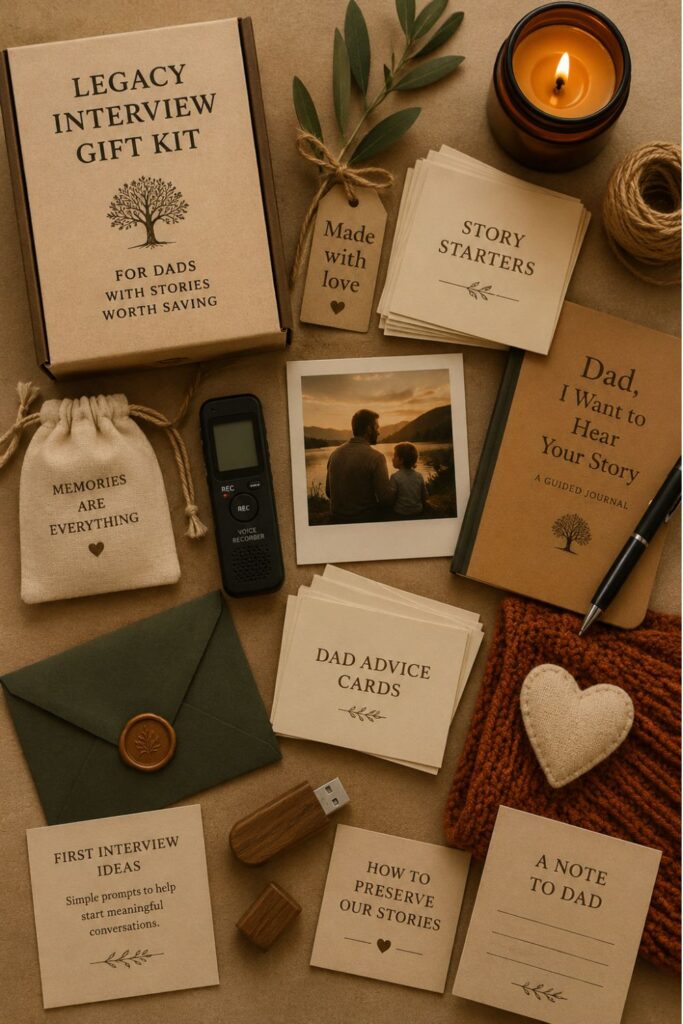
Try adding questions like:
- What is something you got in trouble for as a kid?
- What is the worst job you ever had?
- What family story still makes you laugh?
- What did you think was cool when you were younger?
- What is one thing your kids did that you had to pretend not to laugh at?
- What is a mistake that became a great story later?
These questions often reveal personality. They show how he thinks, what he finds funny, and how he looks back on the messy parts of life.
Let humor protect the emotional weight: Use funny prompts to make the whole kit feel more approachable, especially for dads who get uncomfortable with sentimental gifts.
Some dads may not know what to do with a deeply emotional gift at first. Humor gives them a way in. They can start with a story about a terrible haircut or a ridiculous road trip, then gradually move into the deeper memories.
If you want to get more from your life, and are looking for concrete action steps to get you there, check out our Request a Coach page. It’s a “cut the fence-sitting and take action” way to tackle your issues and actually find success. To get off the fence and start to take action, click or tap here.
You can even create a section labeled “Stories We Need To Hear Before You Deny Them.” That kind of playful framing can make the kit feel more like family fun than a formal legacy project.
The sweet part is that funny stories often become sentimental later. A recording of dad laughing while remembering something small may end up being one of the most loved pieces in the entire kit.
Add “Dad Advice” Cards For Future Moments
One of the most meaningful parts of a legacy interview gift kit is the chance to save dad’s advice for the future. Not just big speeches, but the steady, practical things he believes because he lived through them.
Turn his wisdom into keepsake cards: Create prompts around advice for hard days, marriage, money, parenting, work, friendship, courage, and starting over.
These cards can be simple, but they carry a lot of emotional weight. They give dad a chance to say what he hopes his family remembers when life gets complicated. They also give the family something to return to later.
Good advice prompts might include:
- What do you want us to remember when life gets hard?
- What did you learn about being a good parent?
- What is your best advice about money?
- What makes a marriage or partnership last?
- What should someone do when they feel lost?
- What do you wish you had worried about less?
- What kind of person do you hope we try to be?
Keep the cards short and focused. One question per card works best. If he answers in writing, there should be enough blank space for a few sentences. If he records his answer, the card becomes the title of that recording.
Make the answers easy to reuse later: Suggest saving each piece of advice as a short message, printed card, audio clip, or page in a family keepsake binder.
If you want to get more from your life, and are looking for concrete action steps to get you there, check out our Request a Coach page. It’s a “cut the fence-sitting and take action” way to tackle your issues and actually find success. To get off the fence and start to take action, click or tap here.
This is where the gift can become very special. A daughter might one day listen to his advice about courage. A son might reread what he said about work. A grandchild might hear his voice explaining what really matters in life.
You do not have to make the advice section overly emotional. Keep it grounded and practical. Many dads are most comfortable sharing wisdom when it sounds useful.
The beauty is that useful advice can become deeply sentimental over time. His words do not have to be perfect. They just have to be his.
Design Simple Presentation Pieces
The way you present the kit helps dad understand that this is not a random pile of questions. It is a gift with care behind it. A few simple presentation pieces can make the whole thing feel more complete and keepsake-worthy.
Choose a keepsake container: Use a sturdy box, binder, envelope set, small album, file folder, or memory chest that feels easy to open and simple to store.
A box is a lovely choice if you want the gift to feel special right away. You can place the question cards in labeled envelopes, tuck in a notebook, and add family photos on top. A binder works better if you want the finished answers to become a printed family archive.
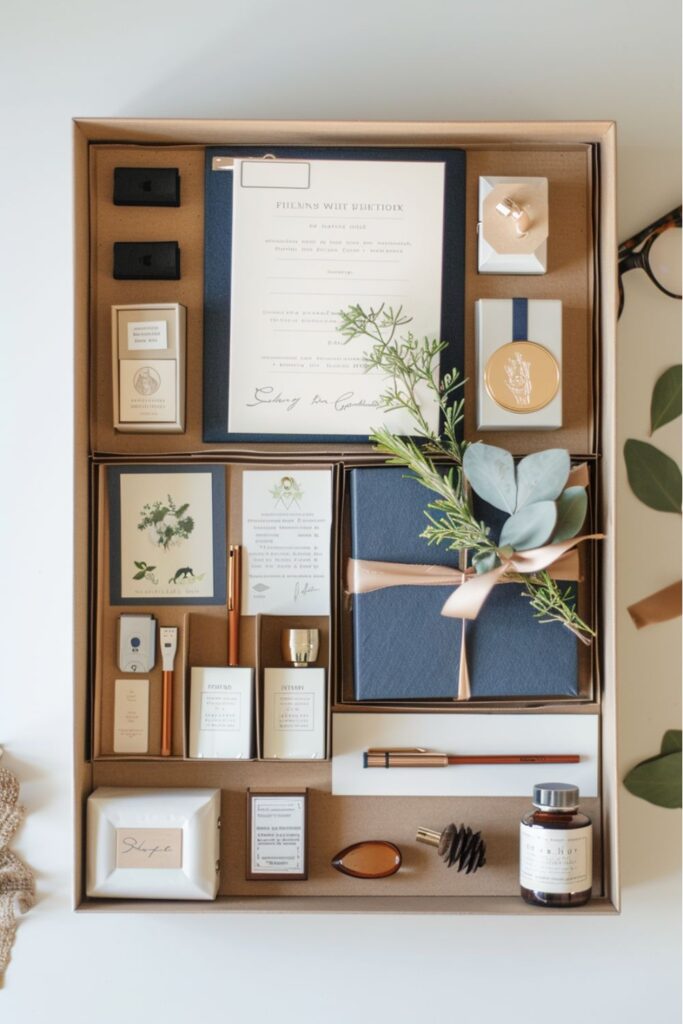
Envelope sets are especially useful because they naturally divide the kit into sections. You might label them:
- Childhood Stories
- Family Memories
- Work And Life Lessons
- Funny Stories
- Dad Advice
- Questions From Us
- Stories To Record First
This makes the kit easier to use and more visually organized.
If you want to get more from your life, and are looking for concrete action steps to get you there, check out our Request a Coach page. It’s a “cut the fence-sitting and take action” way to tackle your issues and actually find success. To get off the fence and start to take action, click or tap here.
Make the contents feel intentional: Add labels, section dividers, question cards, blank memory pages, and a note explaining why his stories matter.
The note may be the most important presentation piece. It tells dad how to receive the gift. Without it, he may wonder what he is supposed to do with everything. With it, the whole kit becomes an emotional invitation.
You could write something like, “We made this because your stories are part of our family. We do not want to forget the little details, the lessons, the funny moments, or the sound of you telling them.”
Keep the visual style simple. Neutral cards, warm colors, old photos, handwritten labels, or a soft ribbon can make the kit feel personal without turning it into a craft project.
Presentation should support the purpose, not distract from it. The goal is for dad to open the box and immediately understand: this is about remembering him well.
Include A Family Participation Piece
A legacy interview kit becomes even more meaningful when the family gets to help shape it. Instead of one person choosing every question, invite others to add what they genuinely want to know. This makes the project feel more personal and less like a premade questionnaire.
Invite others to add questions: Give kids, grandkids, siblings, or a spouse a few blank cards so the final interview reflects the memories and curiosities of the people who love him.
Family questions are often more specific than general prompts. A child might ask about a bedtime routine. A grandchild might ask what dad was like at their age. A spouse might ask about an early date, a hard season, or a moment they built together.
If you want to get more from your life, and are looking for concrete action steps to get you there, check out our Request a Coach page. It’s a “cut the fence-sitting and take action” way to tackle your issues and actually find success. To get off the fence and start to take action, click or tap here.
These questions can bring out stories that no generic list would ever include. They also show dad that people are not just interested in “family history” in a broad sense. They are interested in him.
You can include a small stack of blank cards labeled “Questions We Still Want To Ask.” Let everyone write one or two. If the family is spread out, ask people to text or email their questions and print them for the kit.
Keep the process organized: Add a simple question collector envelope so nothing gets lost before the interview happens.
This envelope can become one of the sweetest parts of the gift. It holds everyone’s curiosity in one place. It also gives dad a chance to choose which questions he wants to answer first.
If younger kids are involved, let them ask simple questions in their own words. Do not polish everything too much. A child asking, “What was your favorite snack when you were little?” may lead to a better story than a formal prompt about childhood memories.
Family participation also makes the follow-through easier. When people have contributed questions, they are more likely to care about the answers. The kit becomes a shared project, not just a gift handed to dad and forgotten.
Plan The First Follow-Up So The Kit Actually Gets Used
The biggest risk with a legacy interview gift kit is that everyone loves the idea, then life gets busy and nothing happens. The way to avoid that is to build the first follow-up into the gift itself. Make the next step obvious before the box is even closed.
Schedule the first story session: Include a gentle plan for one first interview instead of expecting the whole project to happen at once.
If you want to get more from your life, and are looking for concrete action steps to get you there, check out our Request a Coach page. It’s a “cut the fence-sitting and take action” way to tackle your issues and actually find success. To get off the fence and start to take action, click or tap here.
This could be as simple as a card that says, “Let’s do the first five questions over coffee next Sunday.” Or, if you are not sure of the date, include a card that says, “Pick one day this month for our first story session.”
Do not make the first session too long. Thirty minutes is plenty. Even 15 minutes is enough to begin. The goal is not to finish the whole project, but to make the first memory capture happen.
If the family tends to be busy, choose a moment that already exists. After dinner. During a birthday visit. On a quiet Sunday morning. During a holiday when people are already gathered.
Make the next step obvious: Add a checklist with simple actions like choose five questions, record one answer, save the file, and pick the next story day.
A checklist helps because it turns an emotional gift into a doable process. It can look like this:
- Pick 5 starter questions
- Choose audio, video, or written answers
- Record the first story
- Label the file or card
- Save it in the family folder
- Choose the next question set
- Plan the next story session
This prevents the project from feeling too large. It also gives someone in the family a clear role as the organizer.
You can include a small “completed stories” tracker too. This lets the family mark off which prompts have been answered. Over time, that little tracker becomes proof of what has been saved.
The first follow-up is what makes the gift real. Without it, the kit is thoughtful. With it, the family actually begins preserving dad’s stories.
If you want to get more from your life, and are looking for concrete action steps to get you there, check out our Request a Coach page. It’s a “cut the fence-sitting and take action” way to tackle your issues and actually find success. To get off the fence and start to take action, click or tap here.
How A Family Coach Or Legacy Coach Could Help
Some families can easily sit down and ask meaningful questions. Others may feel awkward, emotional, scattered, or unsure where to begin. That is where a family coach, life coach, or legacy-focused coach could make the process smoother.
Use coaching to guide better questions: A coach can help shape prompts around values, turning points, relationships, identity, goals, regrets, proud moments, and lessons learned.
This is especially helpful when the family wants the interview to go deeper than surface memories. A coach can help ask questions that invite reflection without making dad feel interrogated. They can also help organize the conversation so it has a natural flow.
For example, instead of jumping straight into big emotional questions, a coach might begin with life chapters. They may ask about childhood, then early adulthood, then fatherhood, then life lessons. That structure helps dad ease into the process.
A coach can also help families notice themes. Maybe dad’s stories reveal persistence, humor, service, loyalty, faith, creativity, or sacrifice. Those themes can later shape the final keepsake, whether it becomes a printed book, audio archive, or family memory box.
Make the process easier for emotional families: A coach can help reduce awkwardness, ask follow-up questions, and keep the project moving when people are not sure what to say next.
This can be especially valuable if family relationships are tender, complicated, or full of unspoken feelings. The goal is not therapy. It is simply having a steady guide who can help the conversation stay respectful, warm, and focused.
A coach might help with:
If you want to get more from your life, and are looking for concrete action steps to get you there, check out our Request a Coach page. It’s a “cut the fence-sitting and take action” way to tackle your issues and actually find success. To get off the fence and start to take action, click or tap here.
- Choosing the best questions
- Planning interview sessions
- Organizing recordings or written answers
- Helping dad clarify the stories he wants saved
- Turning broad memories into specific themes
- Creating a plan for preserving everything afterward
Even if you do not hire a coach, you can borrow the coaching mindset. Ask open questions. Listen more than you talk. Let silence happen. Follow the story instead of forcing the script.
That approach can make the whole legacy gift feel more meaningful and less rushed.
How To Preserve The Stories After Recording
Once the stories are captured, they need to be saved carefully. It would be heartbreaking to record dad’s voice, then lose the files because they were left on one phone or buried in a message thread. Preservation should be part of the kit from the beginning.
Save the stories in more than one place: Keep files on a phone, computer, cloud folder, USB drive, or shared family folder so the memories are not accidentally lost.
A simple system is enough. You do not need advanced software. The important thing is to avoid having only one copy. If the original recording lives on one phone, make a backup somewhere else as soon as possible.
For audio and video files, create one main folder with dad’s name and the year. Inside that folder, create subfolders by topic. For example:
- Childhood
- Family Stories
- Fatherhood
- Work Stories
- Funny Memories
- Advice
- Holiday Recordings
If there are written answers, scan or photograph them too. The physical cards are beautiful, but digital copies add protection.
Create a simple naming system: Use clear labels like “Dad Childhood Story 01” or “Dad Advice About Work” so the family can find specific stories later.
If you want to get more from your life, and are looking for concrete action steps to get you there, check out our Request a Coach page. It’s a “cut the fence-sitting and take action” way to tackle your issues and actually find success. To get off the fence and start to take action, click or tap here.
File names matter more than people realize. A folder full of files named “Audio 001” and “New Recording 7” becomes confusing quickly. Clear names make the archive usable.
You might use a format like:
- Dad Childhood 01 First Home
- Dad Work 02 First Job
- Dad Fatherhood 03 Favorite Kid Memory
- Dad Advice 04 Hard Days
- Dad Funny Story 05 Road Trip
If you are saving written cards, number them or place them in labeled envelopes. If you are using a binder, add dividers and a simple table of contents.
The preservation step is not just practical. It is part of honoring the stories. Saving them well says, “This matters enough for us to protect it.”
Turn The Finished Stories Into Future Gifts
One of the best parts of a legacy interview kit is that it can keep giving. The first box may be the starting point, but the stories can later become beautiful gifts for birthdays, holidays, anniversaries, memorials, reunions, or quiet family moments.
Reuse the memories thoughtfully: Turn recordings into printed quote cards, a small family book, a birthday video, framed excerpts, an audio playlist, or a keepsake binder.
You do not need to use every story at once. One short answer can become a framed quote. A funny recording can become part of a birthday slideshow. A set of advice cards can become a gift for adult children or grandchildren.
If dad writes his answers by hand, you can preserve his handwriting in special ways. Scan a short note and print it on a card. Frame a meaningful sentence. Add handwritten excerpts to a family memory book.
If you want to get more from your life, and are looking for concrete action steps to get you there, check out our Request a Coach page. It’s a “cut the fence-sitting and take action” way to tackle your issues and actually find success. To get off the fence and start to take action, click or tap here.
Audio clips are especially powerful. A short recording of dad saying what he is proud of, what he hopes for his family, or what he learned from life can become something people return to again and again.
Let the project grow over time: Treat the first kit as the beginning of an ongoing family archive rather than a one-time gift.
You might add new questions every year. You might do one interview at each holiday. You might ask each grandchild to choose one question for him. Over time, the kit becomes a living collection.
Future gift ideas could include:
- “Dad’s Best Advice” mini book
- A playlist of his favorite stories
- A printed family history booklet
- A memory jar with quotes from his answers
- A framed story excerpt
- A video of family members reacting to his stories
- A binder organized by life chapter
This is what makes the legacy kit so different from a typical gift. It does not end when he opens it. It creates something the family can continue building, saving, and sharing.
The Part Of The Gift Everyone Will Be Glad They Saved
A legacy interview gift kit is not really about the box, the cards, the notebook, or the recording tools. Those pieces matter because they make the gift easier to use. But the real gift is dad’s voice, his memories, his humor, his advice, and the stories that only he can tell.
Focus on the emotional payoff: Build the kit around the idea that ordinary stories become precious when they are saved in someone’s own words.
The family may already know some of the big details. Where he worked. Where he lived. Who he married. How many kids he raised. But the small stories are often the ones that disappear first.
If you want to get more from your life, and are looking for concrete action steps to get you there, check out our Request a Coach page. It’s a “cut the fence-sitting and take action” way to tackle your issues and actually find success. To get off the fence and start to take action, click or tap here.
What did his childhood street look like? What made him nervous as a young father? What lesson did he learn from a mistake? What song takes him back? What family moment still makes him laugh?
Those are the pieces that make the gift worth creating.
Start small and make it easy: Choose a handful of questions, prepare a simple kit, and give dad a way to begin without feeling overwhelmed.
You do not need a perfect plan. You do not need professional recording equipment. You do not need to finish the whole project in one weekend.
Start with one box. One note. One set of questions. One recording. One conversation.
That first story may lead to another. Then another. Before long, the family has something far more meaningful than another practical gift. They have a growing collection of dad’s stories in his own voice, saved with care.
And someday, someone will be very glad you asked.
Need some family guidance? Drop on by our directories choc full of family coaches to help make your love life the best it can be. Or click here to have us match you to the best.
If you want to get more from your life, and are looking for concrete action steps to get you there, check out our Request a Coach page. It’s a “cut the fence-sitting and take action” way to tackle your issues and actually find success. To get off the fence and start to take action, click or tap here.
If you want to get more from your life, and are looking for concrete action steps to get you there, check out our Request a Coach page. It’s a “cut the fence-sitting and take action” way to tackle your issues and actually find success. To get off the fence and start to take action, click or tap here.
Read this next

How to Deal With Temper Tantrums
Dealing with temper tantrums is a necessary evil for parents. Find out what works and what doesn’t.
Read More
Coping Skills for Kids: How to Teach Your Children Healthy Coping Skills
Learn to teach your children the coping skills they need for happiness and success.
Read More
Managing Sibling Rivalry
Do you sense your children are drifting apart? Prevent rivalry with these tried and tested suggestions.
Read More