


Talk to a coach about Career coaching

Dr Soraya Sawicki, DSW, CPC, RMT
DSW, CPC, CSC, RMT
Personalized wellness coaching for stress relief, energy, and inner harmony.

Robert Bradley Singleton
Certified Master Spiritual Life Coach, Neuropsychologist, and Existential Therapist
Train with the best to be the best you! Don't...

Lisa Rogers
Certified Professional Coach | 500-Hour Yoga Teacher | Meditation Instructor | Trauma-Informed, IFS-, CBT-, DBT-, and Polyvagal-Informed Coach | High-Conflict Mediation Trained | HSP Specialist
Healing mind, body & spirit through coaching, meditation, and nervous...

Tobias Kemper
Transformation Guide - LCI/CDP
Personal Transformation / Life Balance / Spiritual Growth / Life...

Daniel Herron
CPLC
You know what it's like to avoid, to push away....

Diana Davis-Nanasi
ICF Certified Coach, helping clients overcome self-doubt, low confidence, stress managment
I understand life can become overwhelming; I am excited to...

Matthew Walley
Frame of Mind Coaching Certified
Mindset Coach helping people gain awareness around their thinking and...

Robert B Singleton, MCMA, MSc.
MSc. Metaphysical Sciences; B. Div., Divinity: Mindfulness and Positive Psychology fanatic
Positive Psychology and Mindfulness Specialties; NeuroScience and Trauma-informed


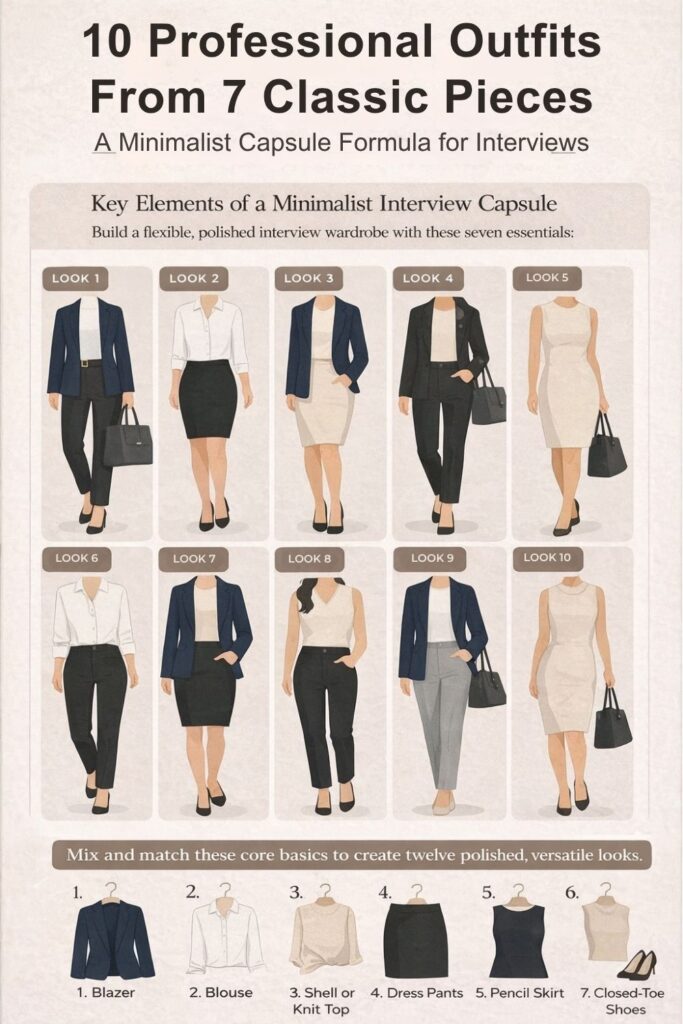
The Minimalist Interview Capsule: 7 Pieces, 12 Professional Looks
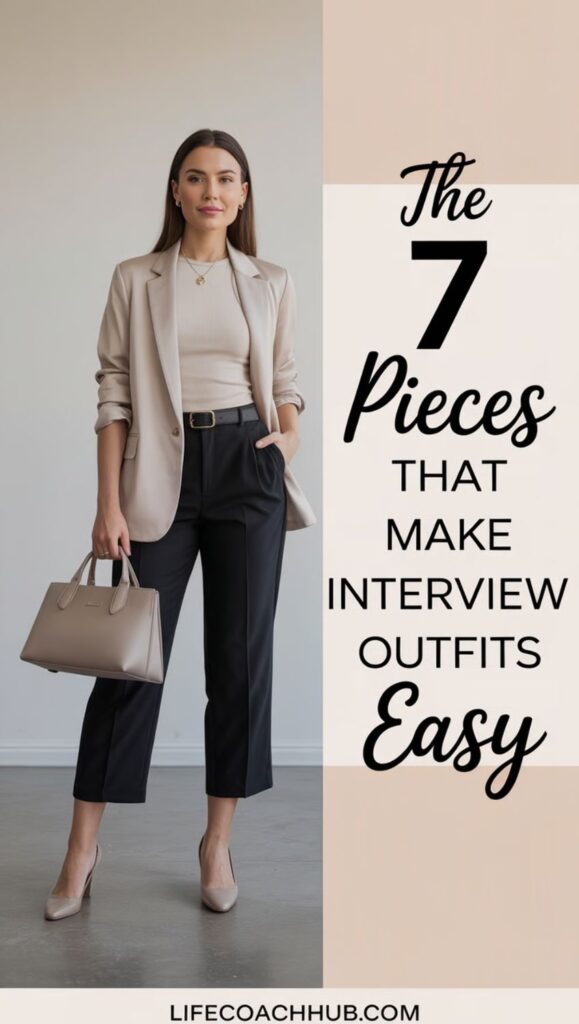
Getting ready for interviews can feel overwhelming, especially when you’re staring at a closet full of clothes but nothing jumps out as “the one.” Maybe you own plenty of options, but somehow, putting together outfits that actually feel right is still a struggle.
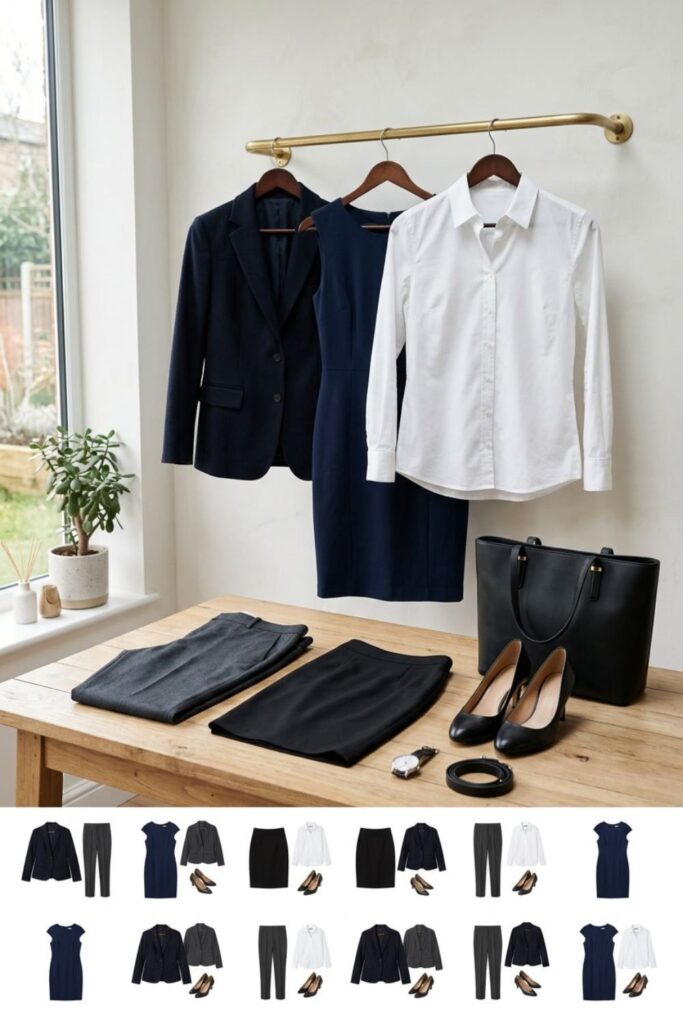
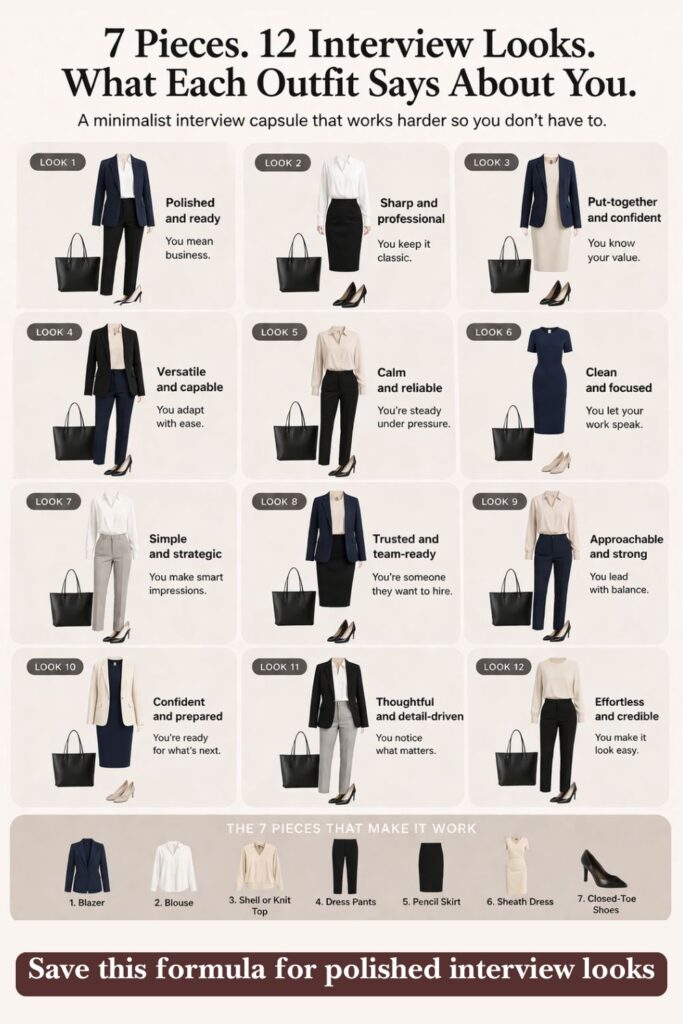
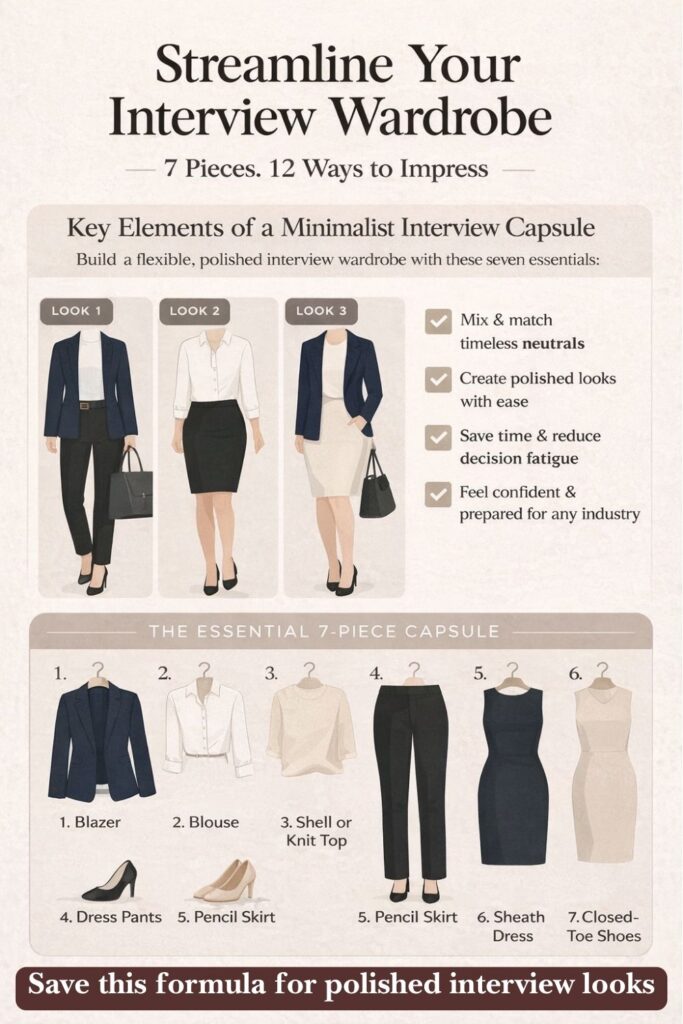
With just seven versatile pieces, you can pull together twelve professional interview outfits that work for pretty much any industry or occasion. This approach saves time, money, and stress. You stop scrambling for something new every time and instead focus on mixing and matching basics that go the distance.
Building a minimalist interview wardrobe means picking pieces that fit well, go together easily, and actually make you feel good. Each item should serve a few different purposes and combine with the others for variety, minus the clutter.
Need some style or career guidance? Drop on by our directories choc full of image coaches and career coaches to get your look and career on point. Or click here to have us match you to the best.
Key Takeaways
- Seven carefully chosen pieces can make twelve complete interview outfits
- Mix-and-match basics save time and cut down on decision fatigue
- A simple capsule works for different industries and keeps you comfortable and confident
Building an Efficient Interview Wardrobe
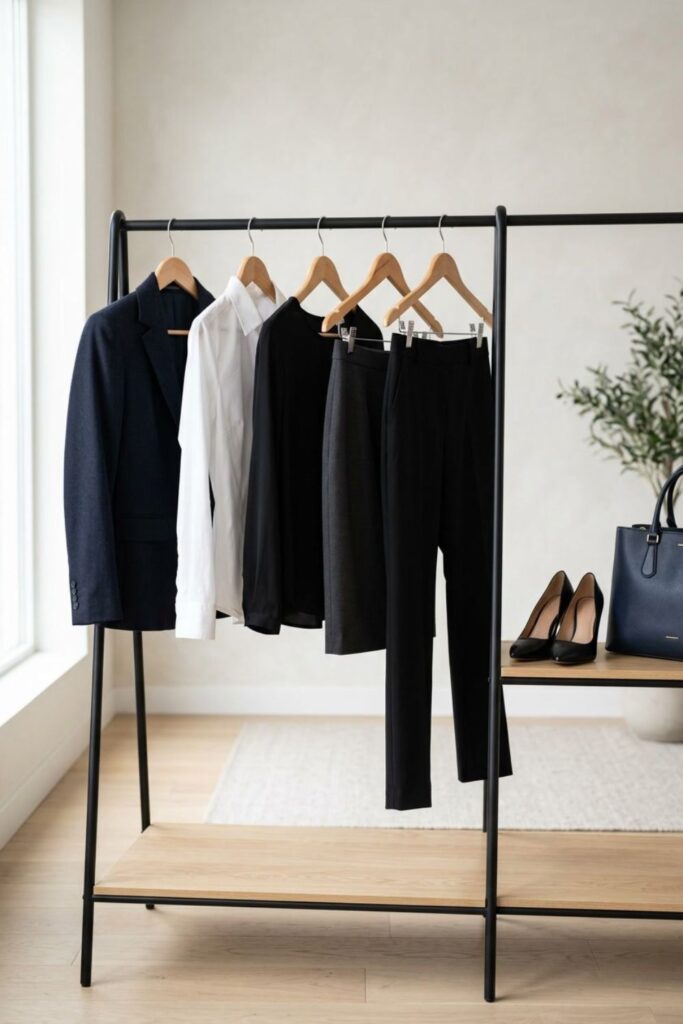
A smart interview wardrobe starts with colors that work together and pieces you can mix in a bunch of ways. If you focus on versatility, you’ll spend way less time stressing over what to wear and more time actually preparing for your interview.
Choose a Unified Color Palette
Start with neutrals—navy, black, gray, cream. They’re safe bets and play nicely together. Pick one or two as your main colors, then throw in a third accent if you want some personality.
Your accent could be blush, light blue, maybe burgundy. Just keep it professional and make sure it works with your neutrals. The trick is making every piece match at least three others.
Stick to solid colors or subtle patterns. Loud prints can distract, and you want the focus on you, not your shirt. Keeping everything in the same color family means you can swap things around without worrying about clashing.
If you want to get more from your life, and are looking for concrete action steps to get you there, check out our Request a Coach page. It’s a “cut the fence-sitting and take action” way to tackle your issues and actually find success. To get off the fence and start to take action, click or tap here.
Structure a 7-Piece Collection
Your capsule needs seven core items that all work together. Here’s the list:
- One blazer in your main neutral
- Two tops—a blouse and a shell or knit
- Two bottoms—dress pants and a pencil skirt (or a second pair of pants)
- One dress that works with your blazer
- One pair of closed-toe shoes in a neutral shade
Each piece needs to fit well and feel comfortable. With just these, you can mix and match your way to twelve different looks. The blazer is the glue, pulling everything together and adding polish.
Selecting Versatile and Purposeful Pieces
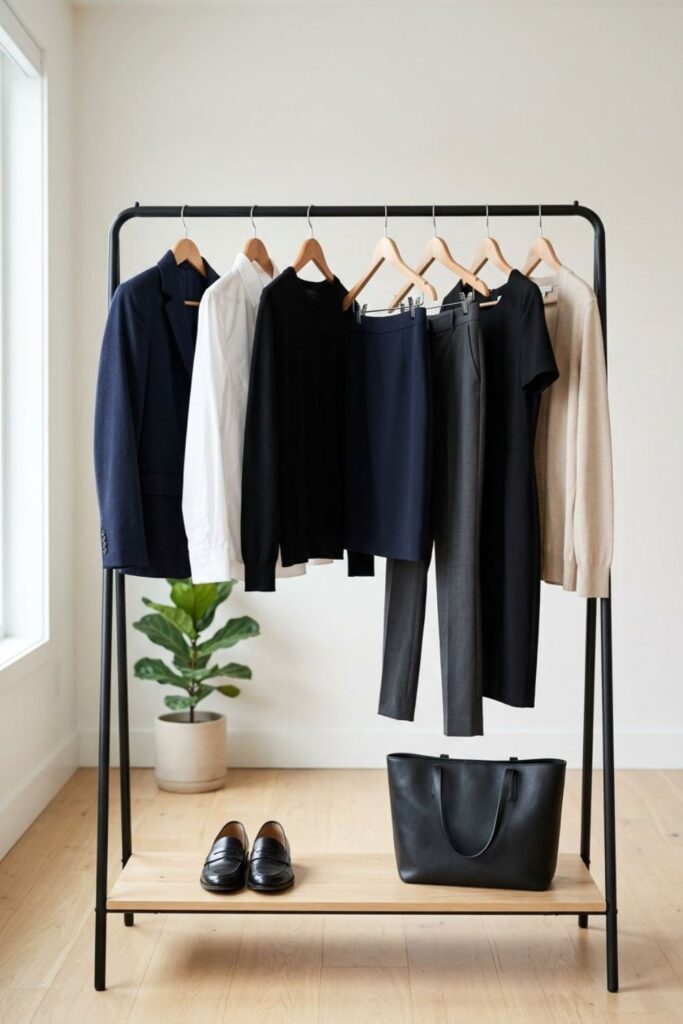
The magic of a capsule wardrobe is that each item works with the rest, giving you a polished look no matter the professional setting.
Maximize Outfits With Each Item
Every piece in your seven-item capsule should pair with at least three others. Suddenly, a tiny wardrobe becomes a dozen real outfits.
Stick with neutrals like navy, black, gray, or tan. They’re flexible and always look professional. If you want a pop of color, add it with a subtle pattern or a rich tone like burgundy or forest green.
Think about layering. Your blazer needs to fit over a blouse or sweater. Pants and skirts should work with both tops. Aim for similar hem lengths and shapes so everything looks intentional together.
Multiplying your options? Try these:
- Structured blazer in navy or charcoal
- Tailored pants in a neutral
- Pencil skirt that matches your blazer
- Two blouses with different vibes but matching colors
- One knit top or shell for layering
Favor Timeless Tailoring
Classic cuts outlast trends and always look professional. Well-tailored pieces should fit without pulling or bunching.
If you want to get more from your life, and are looking for concrete action steps to get you there, check out our Request a Coach page. It’s a “cut the fence-sitting and take action” way to tackle your issues and actually find success. To get off the fence and start to take action, click or tap here.
Blazers with set-in sleeves and a sharp shoulder line look current but not trendy. Skip boxy fits or super-tight styles—they date fast. The hem should hit at your hip, sleeves at your wrist.
Pants with a straight or slightly tapered leg work for almost everyone and never go out of style. Skirts should hit at or just above the knee for a look that’s professional but not stiff.
Check the details—finished seams, real buttonholes, and lining mean your clothes will last and keep their shape.
Creating Repeatable Professional Outfits
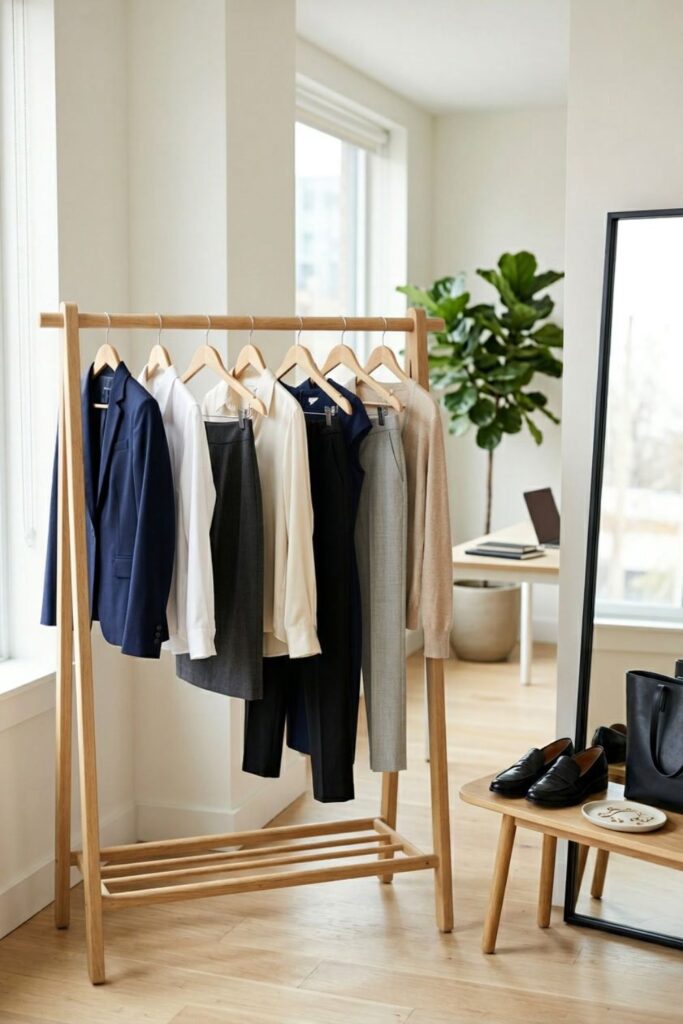
If you’ve got a small capsule wardrobe, outfit formulas and knowing how to flex for different dress codes help you get the most out of what you have.
Develop Go-To Outfit Formulas
Start with a few easy formulas you can repeat. Maybe: blazer + blouse + pants. Or dress + blazer + shoes. Simple, but they work every time.
Write down three that fit your style or the interviews you’re prepping for. Try them on to make sure everything works together and feels good. Once you know your go-tos, getting dressed is pretty much automatic.
Some formulas to try:
- Neutral blazer + white blouse + black pants
- Sheath dress + blazer + closed-toe heels
- Button-down + pencil skirt + blazer
Keep accessories simple. The same belt, watch, or earrings can work with most combos, so you don’t have to overthink it every morning.
If you want to get more from your life, and are looking for concrete action steps to get you there, check out our Request a Coach page. It’s a “cut the fence-sitting and take action” way to tackle your issues and actually find success. To get off the fence and start to take action, click or tap here.
Cover a Range of Professional Dress Codes
Your seven pieces should cover you for different interview settings. A tech startup might be business casual, while a law firm expects full-on business attire.
A blazer can turn a casual outfit formal in seconds. Pair it with a dress for classic business, or leave it off for a more relaxed look. Your blouse can go with dress pants for formal interviews, or even with dark jeans if the vibe is casual.
Dress code flexibility:
| Dress Code | Outfit Example |
|---|---|
| Business Formal | Blazer + blouse + dress pants + pumps |
| Business Casual | Blouse + pencil skirt + flats |
| Smart Casual | Dress + blazer + simple jewelry |
Always check the company’s culture before the interview. If you’re not sure, it’s usually safer to dress a bit more formal than you think you need.
Adapting Your Capsule Across Industries
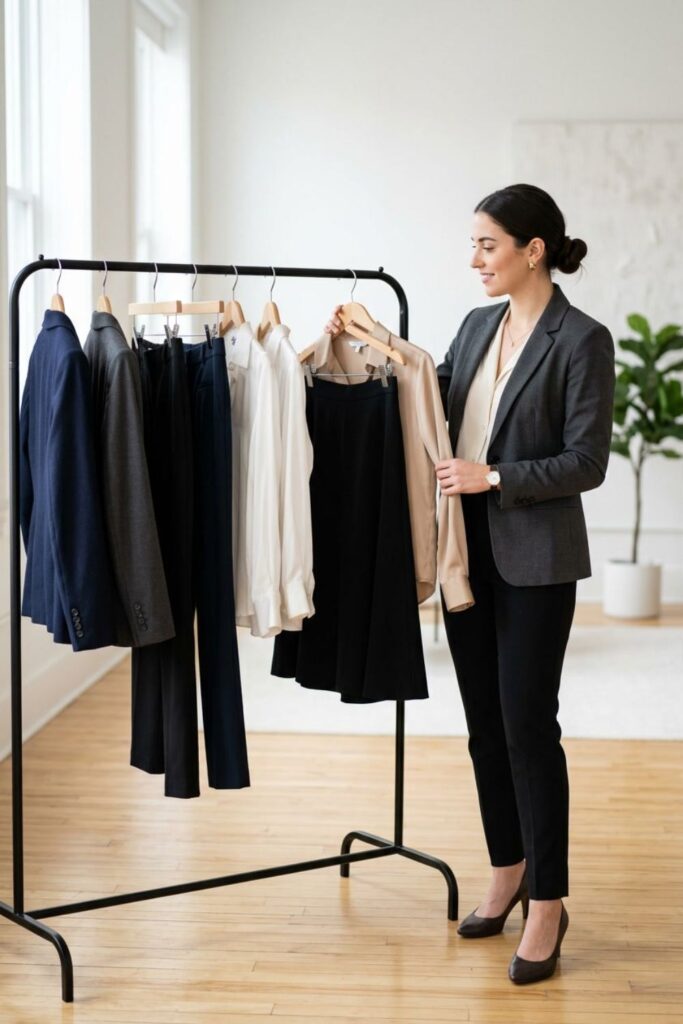
Every workplace has its own dress code, but your capsule can flex to fit most standards. With a few tweaks, you can move from creative studios to corporate offices without missing a beat.
Leverage Blazers and Shoes for Versatility
Your blazer says a lot about the industry you’re aiming for. A structured navy or charcoal blazer is perfect for finance, law, or consulting. Keep it buttoned for a more formal look.
In tech or creative fields, wear the same blazer open over a simple top. Or swap it for a softer style if your capsule allows.
Shoes matter too. Closed-toe pumps or loafers fit right in at conservative offices. If you’re headed to a startup, ankle boots or flats feel more relaxed and modern.
If you want to get more from your life, and are looking for concrete action steps to get you there, check out our Request a Coach page. It’s a “cut the fence-sitting and take action” way to tackle your issues and actually find success. To get off the fence and start to take action, click or tap here.
It’s all about matching your shoe formality to your blazer. Classic pumps with a formal blazer = corporate. Flats with a casual blazer = creative professional.
Use Accessories and Styling for Polish
Accessories can tweak your look without adding clutter. A simple watch and studs keep things understated for traditional offices. A small pendant necklace adds a bit of personality but stays professional.
Hair matters, too. Sleek buns or straight hair look formal. Loose waves or natural texture feel relaxed but still put-together.
Keep makeup minimal for conservative industries. In creative fields, a pop of color on lips or eyes can work. For bags, structured leather or a portfolio is best for formal settings. A quality tote fits in at more casual offices.
Maintaining Variety Without Losing Simplicity
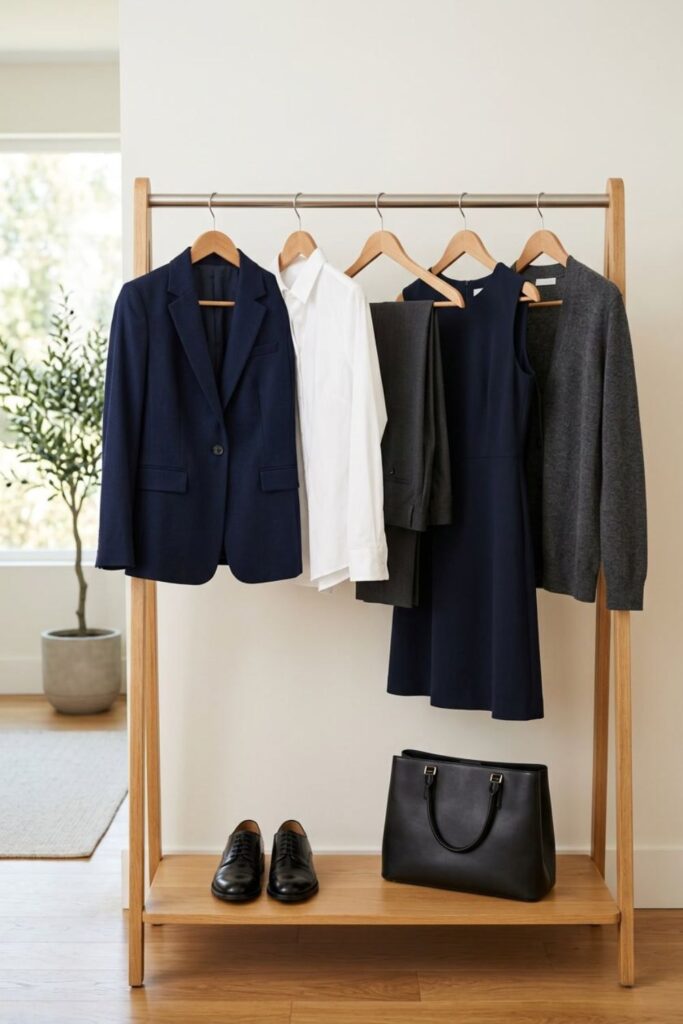
The secret to getting more looks out of fewer pieces? Swap individual items around instead of sticking to fixed outfits. Keep some items structured and others relaxed for a nice balance.
Rotate Pieces Rather Than Whole Outfits
Think of your seven pieces as mix-and-match blocks. Maybe you wear your blazer with trousers one day, then with your pencil skirt the next. It’s way more flexible than planning rigid “outfits.”
Pick one anchor piece each day—like your white button-up—and build around it. Next day, maybe it’s your black pants as the anchor. Change it up with different tops, layers, or accessories.
Example rotation:
If you want to get more from your life, and are looking for concrete action steps to get you there, check out our Request a Coach page. It’s a “cut the fence-sitting and take action” way to tackle your issues and actually find success. To get off the fence and start to take action, click or tap here.
- Day 1: Blazer + White shirt + Black pants
- Day 2: White shirt + Pencil skirt + Cardigan
- Day 3: Blazer + Simple top + Pencil skirt
This keeps things fresh without making it complicated. Each piece can show up more than once a week, just in new combos.
Balance Structure and Ease
Mix tailored pieces with softer ones. If you’re doing structured pants, maybe add a flowy blouse. If you’re in a fitted skirt, pair it with a relaxed cardigan.
This contrast stops your outfits from feeling too stiff or too laid-back. A blazer with relaxed trousers feels polished but not uptight. The same blazer with a pencil skirt is sharper and more formal.
Accessories matter here, too. Structured pieces usually need less styling, while softer items can handle a statement necklace or bold watch. Stick to simple, neutral shoes—they’ll work with everything and won’t clutter your look.
Prioritizing Comfort and Practicality for Interviews
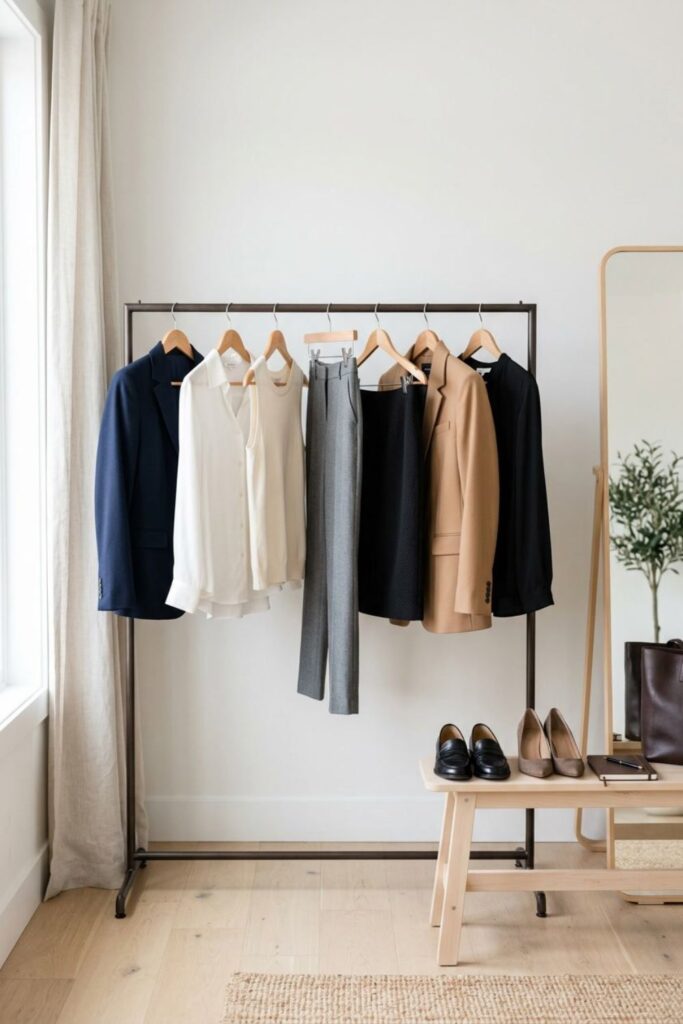
Your interview outfit really needs to work as hard as you do. Choosing materials that won’t wrinkle easily and allow you to move naturally means you can focus on the conversation, not on yanking at your sleeves every few minutes.
Pick Low-Maintenance Fabrics and Fits
Go for fabrics that don’t look like a crumpled napkin after a commute. Ponte knit, structured jersey, and blended wool bounce back nicely, even if you’re stuck sitting in a waiting room longer than planned.
These fabrics breathe better than synthetic polyester, which is a relief when things get stressful. I’d skip 100% linen or those crisp cotton shirts that crease just from looking at them.
Cotton-blend blouses with a touch of stretch let you reach, gesture, and move without everything bunching up. It’s a small thing, but it makes a difference when you’re nervous.
If you want to get more from your life, and are looking for concrete action steps to get you there, check out our Request a Coach page. It’s a “cut the fence-sitting and take action” way to tackle your issues and actually find success. To get off the fence and start to take action, click or tap here.
Best fabric choices for interviews:
- Ponte knit (thick, structured, wrinkle-resistant)
- Wool blends (breathable and professional)
- Cotton-spandex blends (comfortable with stretch)
- Structured jersey (looks polished, feels soft)
Make sure your clothes fit well and don’t need constant fixing. If you’re tugging at your waistband or adjusting your shoulders every five minutes, it’s probably time to try something else.
Test Outfits for Real-Life Movement
Put on your full interview outfit at home and actually sit in a chair for a while. Notice if your waistband digs in or your shirt gapes when you move.
Stand up, bend to pick up a pen, and reach forward like you’re shaking hands. It’s a little awkward, but you’ll thank yourself later.
Walk around your place in your interview shoes for at least half an hour. Sometimes shoes feel fine until you’ve walked a block, and then suddenly they’re the enemy.
Break them in ahead of time or stick with a pair you already know won’t betray you. Try your outfit in different temperatures too.
Bring a blazer you can ditch if the office is warm, or layer a camisole under your blouse just in case. That way, you’re ready for anything without sacrificing your professional look.
Planning and Sticking to Your Capsule
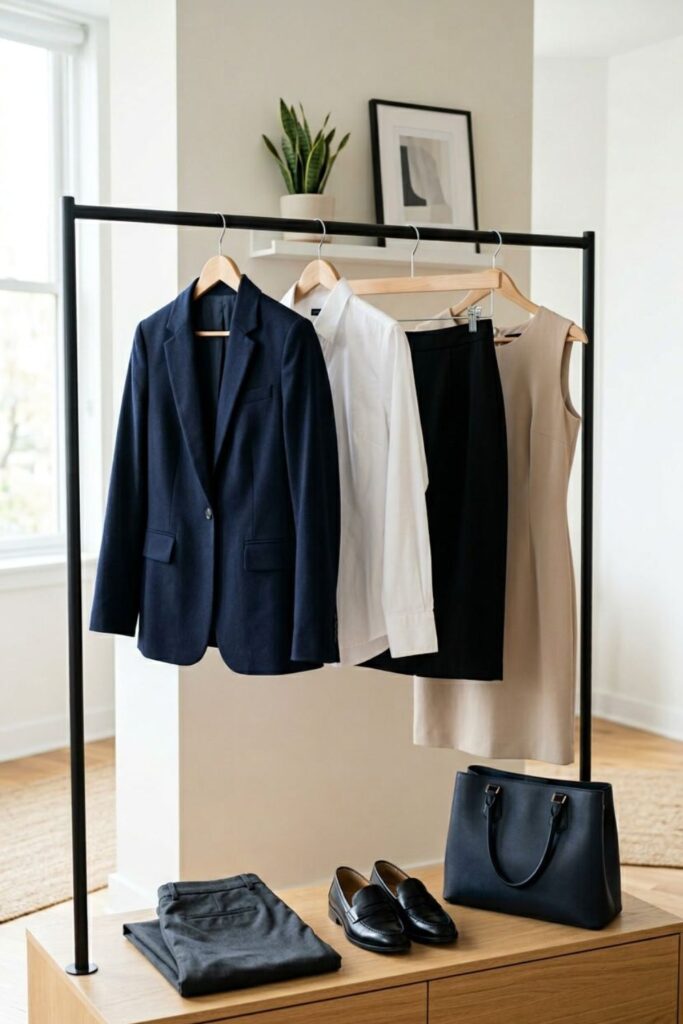
Success with your interview capsule really comes down to having clear rules for what you’ll wear and practicing your outfits ahead of time. It just takes the edge off when you’re already a bundle of nerves.
If you want to get more from your life, and are looking for concrete action steps to get you there, check out our Request a Coach page. It’s a “cut the fence-sitting and take action” way to tackle your issues and actually find success. To get off the fence and start to take action, click or tap here.
Set Up a Decision-Making System
Before interview week, make a simple chart. Write down each day and assign specific outfit combos so you’re not standing in front of your closet in a panic.
Pick your outfits based on three things:
- Weather conditions – Check the forecast and layer up or down as needed
- Interview type – Phone screens don’t need the same level of formality as final rounds
- Previous outfit – If you’re meeting the same folks twice, switch it up
Snap a photo of each planned outfit and keep it on your phone. It’s a quick way to double-check you’re not repeating the same thing or missing a key piece.
Label clothes with sticky notes showing which outfit they belong to. Hang full outfits together on one hanger—makes mornings a lot less frantic.
Prep Like a Coach for Confidence
Try on every outfit three days before your first interview. Walk around, sit down, and check yourself in different lighting.
This helps you catch weird fit issues or wrinkles you missed. Steam or iron all seven pieces in one go, then hang them with space between so they stay crisp.
Take full-length photos of yourself in each outfit. Sometimes you’ll spot problems in a photo you’d never notice in the mirror, like bunching or see-through fabric.
Pack your interview bag the night before. Toss in a stain remover pen, safety pins, and a lint roller—those tiny fixes can save you from a last-minute disaster.
If you want to get more from your life, and are looking for concrete action steps to get you there, check out our Request a Coach page. It’s a “cut the fence-sitting and take action” way to tackle your issues and actually find success. To get off the fence and start to take action, click or tap here.
Refining and Updating Your Wardrobe Over Time
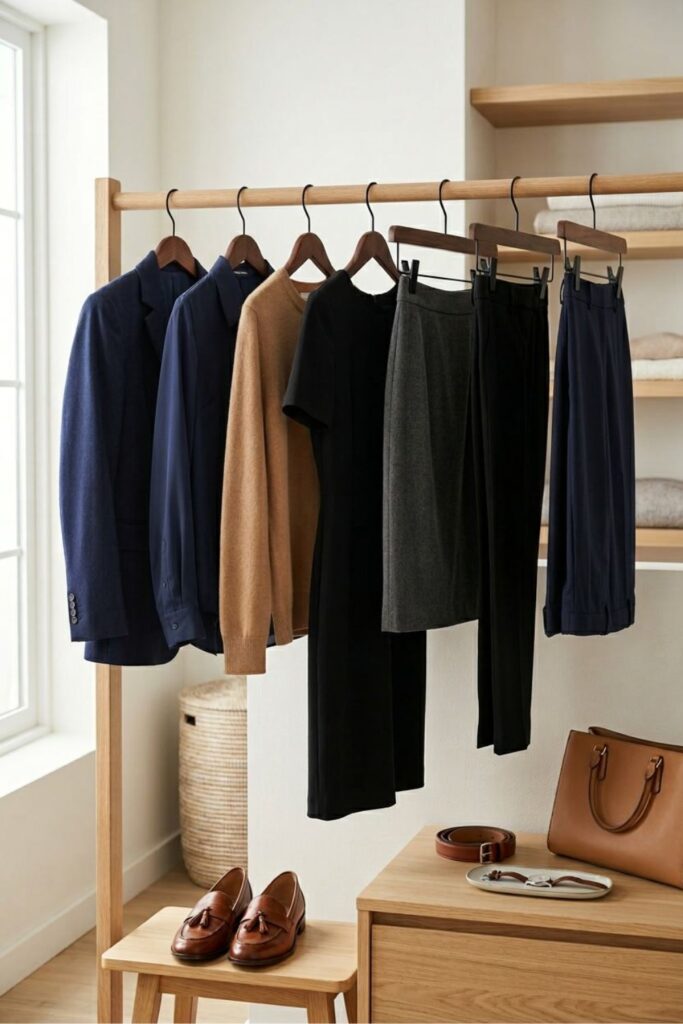
Your interview capsule wardrobe should get better as you figure out what actually works for you. The trick is to ditch what’s not pulling its weight and keep tabs on which pieces make you feel like you can actually do this.
Replace Ineffective Pieces Instead of Adding
Watch for items that just sit in your closet, untouched. If you keep skipping the same blouse every interview, it’s probably not right for you.
Don’t just buy more stuff to fix wardrobe problems. Swap out what isn’t working instead. Maybe your black pants pinch at the waist or your blazer pulls at the shoulders—replace them with better-fitting versions, not more clothes.
Signs a piece needs replacement:
- You avoid wearing it even if it fits the dress code
- It needs constant adjusting all day
- You just don’t feel confident in it
- The fit changed after washing or dry cleaning
Each replacement should fix a real problem. If your white button-down gapes, look for one with hidden snaps or a different cut. The goal’s just to make your seven pieces work harder—not to end up with a closet full of options you never touch.
Track What Works Best for You
Need some style or career guidance? Drop on by our directories choc full of image coaches and career coaches to get your look and career on point. Or click here to have us match you to the best.
Jot down quick notes about what you wear to each interview. Just scribble which outfit you picked and how you felt sitting across from the interviewer.
After a few interviews, you’ll start to see some patterns. Maybe you always grab the navy blazer instead of the gray one.
If you want to get more from your life, and are looking for concrete action steps to get you there, check out our Request a Coach page. It’s a “cut the fence-sitting and take action” way to tackle your issues and actually find success. To get off the fence and start to take action, click or tap here.
Or perhaps those slim-fit pants just feel better than the straight-leg pair. Sometimes, it’s really that simple.
What to track:
- Which combinations you reach for most
- Pieces that boost your confidence
- Items that make you uncomfortable or distracted
- Compliments you get on certain pieces
If your pencil skirt never makes it out of the closet, maybe it’s time to swap it for another pair of pants in a new neutral. Your notes will clue you in—some things just don’t deserve a spot in your capsule.
If you want to get more from your life, and are looking for concrete action steps to get you there, check out our Request a Coach page. It’s a “cut the fence-sitting and take action” way to tackle your issues and actually find success. To get off the fence and start to take action, click or tap here.
Read this next

Should You Consider a Counter Offer?
You’re getting offers and your current company tries to retain you with a counter-offer – what should you do?
Read More
The Hardships That I Encountered In The Past Will Help Me Succeed In The Future
Life coaching quote of the day: The hardships that i encountered in the past will help me succeed in the future. If you want to get more from your life, […]
Read More
8 Tips for Writing a Killer Resume in Today’s Digital World
Follow these simple tips to get noticed by employers!
Read More